



Toxins found in hair extensions spark racial equity wake-up call for legislation

Key takeaways
- A study found harmful substances, such as flame retardants and phthalates, in hair extensions, posing health risks.
- Black women are the primary consumers of hair extensions and face greater health risks due to toxic ingredients.
- The findings come amid legislative efforts, like the Beauty Justice Act, to regulate toxic chemicals in cosmetics.

Scientific research organization Silent Spring Institute has uncovered dozens of hazardous chemicals in hair extensions, in what it calls the “most comprehensive analysis to date” for the hair product.
The extensions were found to contain toxic organotins, flame retardants, phthalates, and other substances linked with cancer and other adverse health effects. The harmful substances found in these hair extensions disproportionately affect Black women, as they are the main consumer base for these products.
According to the Silent Spring Institute, over 70% of Black women report wearing hair extensions at least once in the past year, compared with less than 10% of women from other racial and ethnic groups. Many wear them for cultural and personal reasons, as well as for convenience.
“This is an industry that has long overlooked the health of Black women, who should not have to choose between cultural expression, convenience, and their health,” says lead author Dr. Elissia Franklin, a research scientist at Silent Spring Institute.
Published in the American Chemical Society journal Environment & Health, the study states that chemical exposures from hair extensions pose a growing public health concern due to their poorly characterized composition and limited regulatory oversight.
The non-profit organization calls the hair extension market a “largely unregulated category.”
Following the mounting evidence that Black women are inordinately impacted by dangerous chemicals in cosmetics, states around the US are implementing their own legislative actions.
Finding flawed ingredients
Lead author Franklin says that prior reports found some chemicals of concern in hair extensions, but many questions remained about their chemical makeup. The researchers conducted the study to better understand the extent of the problem.
Hair extensions can be made from synthetic fibers or bio-based materials, such as human hair. They are often treated with chemicals to make them flame-resistant, waterproof, or antimicrobial.
“Companies rarely disclose the chemicals used to achieve these properties, leaving consumers in the dark about the health risks from prolonged wear,” says Franklin.
When the hair extensions are worn, their fibers sit directly on the scalp and neck. If heated and styled, they can release chemicals into the air that wearers may breathe in.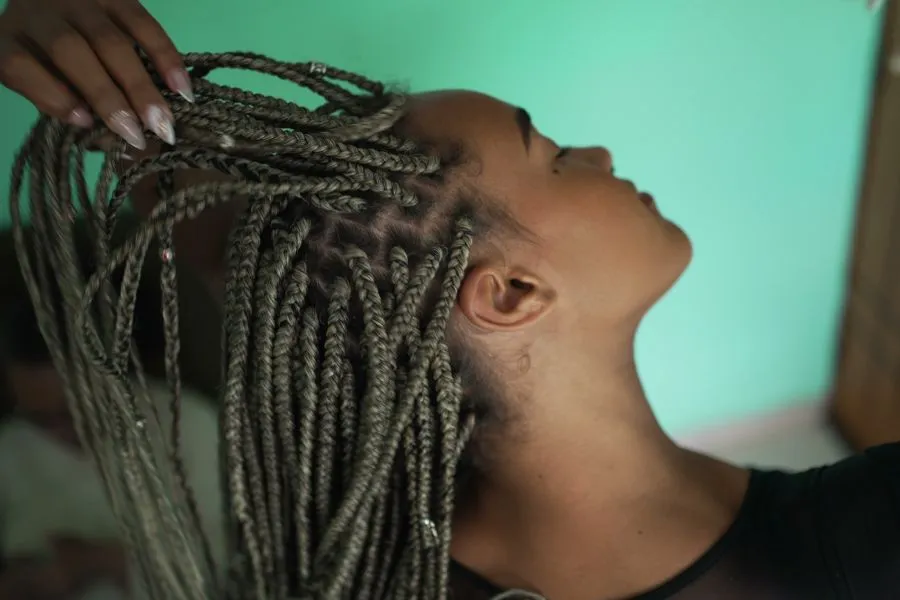 Silent Spring Institute’s study reveals dangerous chemicals in hair extensions.
For the study methodology, Franklin purchased 43 popular hair extension products online and from local beauty supply stores. She categorized the products by fiber type — synthetic (mostly plastic polymers) or bio-based (including human, banana, or silk) — and then coded them by their claims.
Nineteen of the synthetic samples claimed to be flame retardant, three were water resistant, and nine were heat resistant. Additionally, three carried “green” claims such as “no PVC (polyvinyl chloride)” or “non-toxic.”
All but two samples contained hazardous chemicals, both of which were labeled as “non-toxic” or “toxin-free.” The analysis revealed dozens of hazardous substances linked with cancer, hormone disruption, developmental problems, and effects on the immune system. These chemicals included flame retardants, phthalates, pesticides, styrene, tetrachloroethane, and organotins.
“We were especially surprised to find organotins,” says Franklin.
“These are commonly used as heat stabilizers in PVC and have been linked with skin irritation, which is a common complaint among hair extension users.”
Forty-eight chemicals found in the hair extensions appeared on major hazard lists, including 12 listed under California’s Proposition 65, US, for causing cancer, birth defects, or reproductive harm. Four flame retardants were found in both synthetic and bio-based samples.
Meanwhile, 17 chemicals related to breast cancer were found across 36 samples, including compounds confirmed to alter hormones in ways that increase risk. Approximately 10% of samples contained toxic organotins, some at concentrations exceeding health-based levels set in the EU, where the chemicals are regulated.
Mounting research
Silent Spring Institute reports that the global hair extension market will surpass US$14 billion by 2028, and that the US leads global imports of these products.
“These findings make clear that stronger oversight is urgently needed to protect consumers and push companies to invest in making safer products,” says Franklin.
Previous research has also revealed disproportionate harm from the cosmetics industry to Black women.
Last year, a Consumer Reports investigation found cancer-causing chemicals in all 10 of the synthetic hair products it tested. Personal Care Insights spoke with Consumer Reports about how Black women use this synthetic hair for braiding, which he said is integral to their culture.
Another US study previously revealed that formaldehyde and formaldehyde-releasing preservatives, a group one carcinogen, are present in daily personal care products used by Black and Latina women. Hair and skin care products showed the highest amount of the toxins.
An additional study by the Environmental Working Group reported that Black women face disproportionate health risks from the toxicity of personal care products marketed to them. Co-author of the report, Dr. Kristian Edwards, claimed that Black women face pressure to use certain beauty products to conform to societal norms — such as relaxing their hair. 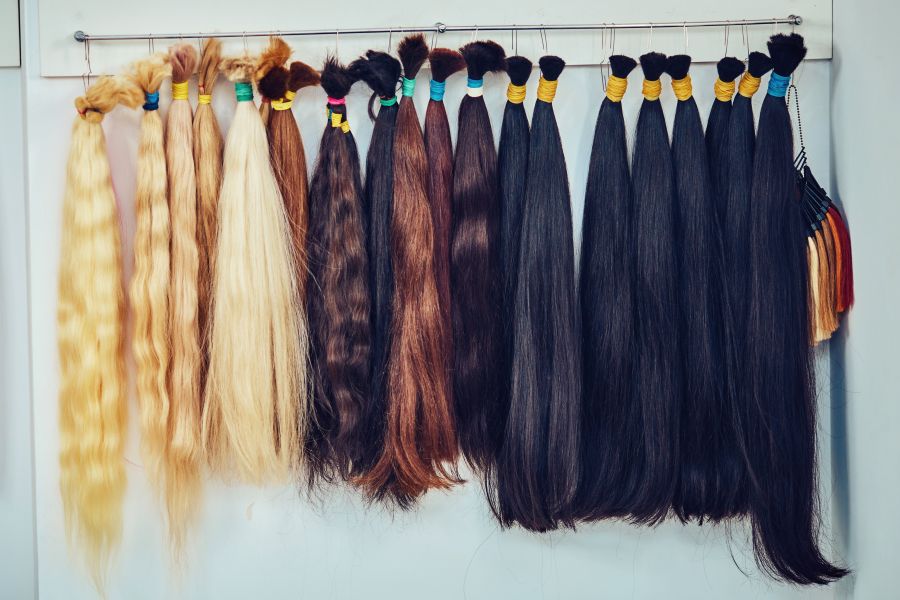 Silent Spring calls for urgent chemical regulation of hair extensions.
Regulatory push
Many products in the Silent Spring Institute’s study contained chemicals listed under California’s Proposition 65, suggesting that hair extensions should be more closely regulated and carry consumer warnings.
The institute says that momentum for policy change is building.
Yesterday, Personal Care Insights spoke to Karin Ross, the Personal Care Product Council’s EVP of government affairs, about New York’s recently introduced Beauty Justice Act. The proposed legislation would ban or strictly limit certain chemicals and trace substances in cosmetic products sold statewide. The bill is positioned as a public health intervention that addresses the exposure to dangerous cosmetics disproportionately faced by communities of color.
New York’s Beauty Justice Act would require manufacturers of synthetic braids and hair extensions to disclose all ingredients.
Meanwhile, in New Jersey, Bill S4477 to ban harmful chemicals in synthetic hair products is also advancing through the legislature.
“Protective styles hold deep cultural significance within the Black community and are widely embraced by Black women and girls. Synthetic hair is a staple because it’s affordable, durable, and makes these styles more accessible,” said Senator Renee Burgess.
“With so many women relying on these products, it is essential that they are safe and free from toxic chemicals. By banning the addition of harmful substances, we can ensure that these products can be enjoyed without consequences for a woman’s health.”
At the federal level, the Safer Beauty Bill Package, reintroduced in Congress last year, includes legislation that would direct the Food and Drug Administration to regulate the safety of synthetic braids and hair extensions.