



EC Safety Gate: Industry “structural failure” reveals opportunity for compliant brands


Key takeaways
- The EU Safety Gate report reveals a significant increase in dangerous cosmetic product alerts, highlighting industry-wide compliance issues.
- Brands that prioritize safety and regulatory compliance are gaining consumer trust and gaining a competitive edge.
- Faster enforcement and market removals mean the cost of non-compliance is more immediate and impactful than ever before.

The European Commission has found that last year, cosmetics were the most frequently reported dangerous products in the EU. The annual Safety Gate Report has also revealed that a record number of dangerous cosmetics were withdrawn from the market in 2025.
In 2025, 4,671 alerts were notified in the Safety Gate system, the highest recorded number since the system was launched in 2003. This is a 13% increase compared to 2024, and more than double the number of alerts reported in 2022. National authorities also issued a record number of follow-up actions, with 5,794 follow-up actions notified, which is a 35% increase compared to the previous year.
Cosmetics accounted for 36% of all flagged products. Almost eight in 10 alerts for cosmetics related to the presence of BMCHA (butylphenyl methylpropional), a banned synthetic fragrance that can have harmful effects on the reproductive system and cause skin irritation.
National authorities also, for the first time, notified cases of nail polish containing TPO (trimethylbenzoyl diphenylphosphine oxide), a chemical banned in 2025 that can also pose risks to prenatal health and provoke allergic reactions.
The uncovered results highlight the critical role of laboratory testing in ensuring product safety and underline the growing concerns about compliance with chemical restrictions.
Personal Care Insights speaks to Lee Bryan, founder and CEO of Arcus Compliance, about how the data reveals that cosmetic chemical compliance enforcement is tightening amid increased beauty consumer scrutiny for safe solutions. He attributes the increase in alerts within the Safety Gate system to a “failure” within the industry, caused by rapid growth.
Bryan suggests that brands doing things properly should be advocating for more regulatory adherence, not less.
Why has safety become a non-negotiable baseline for personal care brands, rather than a regulatory checkbox?
Bryan: Because the data has made ignorance impossible. In 2025, the EU Safety Gate recorded 4,671 product alerts, the highest figure since the system launched in 2003. Cosmetics accounted for 36% of those alerts, making it the single most flagged category in Europe for the third consecutive year. That is not a blip. That is a structural failure across the industry, and it is happening not because brands are reckless, but because growth has consistently outpaced governance.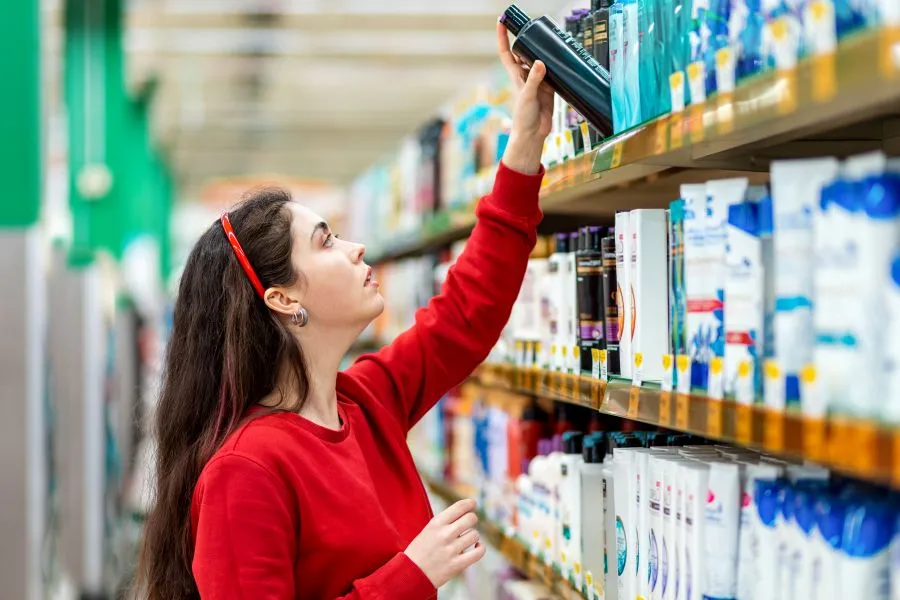 The EU Safety Gate has exposed a surge in alerts, showing a need for stricter industry governance.
Brands scale their revenue, their SKU count, their market footprint, and their compliance infrastructure stays exactly where it was when the business was a fraction of the size.
Consumer safety has always mattered morally. What has changed is that it now matters commercially in a way that is impossible to ignore. An alert on the Safety Gate system triggers market removals, retail suspensions, and enforcement actions simultaneously. The cost of getting it wrong is no longer theoretical. For any brand serious about longevity in regulated markets, safety is the operating model, not a department.
How are increasing recalls reshaping consumer trust, and what does this mean for how beauty brands communicate safety and transparency?
Bryan: Recalls are no longer quietly managed. The EU Safety Gate is a public database, searchable by anyone, updated in near real-time. When a product is flagged, that information is immediately visible to consumers, retailers, and competitors. The reputational consequence arrives before the legal one.
What this means for brand communication is that transparency has shifted from a values statement to a commercial survival tool. Brands that can demonstrate structured, documented compliance, not just claim it, are the ones building durable consumer trust. The ones that cannot are discovering that a single alert can undo years of brand equity in a matter of days. The brands I work with that are getting this right are not the ones with the most sophisticated marketing around safety. They are the ones with the most robust internal systems. Because when scrutiny arrives, and it will arrive, what consumers and retailers want to see is evidence of control, not reassurance.
Do you think that cosmetic brands ensuring their ingredients are safe is more important now than ever before?
Bryan: Without question, the data makes that case more powerfully than any opinion could. In 2024, 97% of all chemical risk alerts for cosmetics on the EU Safety Gate were traced back to a single banned ingredient, BMHCA, a synthetic fragrance that has been prohibited since March 2022. That means three years after a ban came into force, products containing that ingredient were still being placed on the market at scale. That is not a knowledge problem. It is a systems problem. The regulatory infrastructure for knowing which ingredients are restricted has existed for years. What  Bryan says that brands must prioritize safety to build consumer trust. has not kept pace is the internal compliance architecture that flags those changes, reviews product portfolios against them, and triggers reformulation before enforcement acts rather than after.
We are also seeing the first alerts for TPO, a photoinitiator banned in nail products in 2025, appearing in the system within months of the ban. Enforcement is moving faster. Formulation reviews need to move faster, too. Ingredient safety is no more important now than it used to be — in principle, it has always been fundamental. What has changed is the speed and precision with which failures are now found.
There’s often a perception that compliance slows innovation — how can robust regulatory frameworks enable faster, safer product development and market differentiation?
Bryan: That perception comes from experiencing compliance as a reaction rather than a system. When a brand treats regulatory requirements as something to check at the end of the development process, compliance does slow everything down, because you are retrofitting safety into something already built. The brands that have inverted that dynamic treat compliance as part of the product architecture from the beginning. Ingredient restrictions, market-specific requirements, and labeling obligations are all mapped before formulation begins rather than reviewed after it finishes. The result is a faster time to market, not slower, because you are not rebuilding products to meet requirements you did not account for.
There is also a significant competitive advantage here that most brands are not yet exploiting. In a market where 36% of Safety Gate alerts are in cosmetics, a brand that can demonstrate structured, documented compliance, clean ingredient registers, traceable supplier declarations, and current safety assessments is differentiated not just on product but on credibility. In regulated markets, credibility is a commercial asset. The brands that build compliance into their operating model are not just staying out of trouble. They are pulling away from competitors who are still running on assumptions.
How should growing scrutiny on cosmetic substances influence formation strategies, particularly in areas like “clean beauty”?
Bryan: The clean beauty conversation has largely been driven by consumer preference and marketing positioning. What we are now seeing is regulatory reality catching up with, and in some areas overtaking, that conversation. The EU has one of the most comprehensive restricted substance lists in the world for cosmetics, and it is actively updated. The UAE is now implementing expanded restrictions on ingredients, including vitamin A derivatives and certain acids, aligne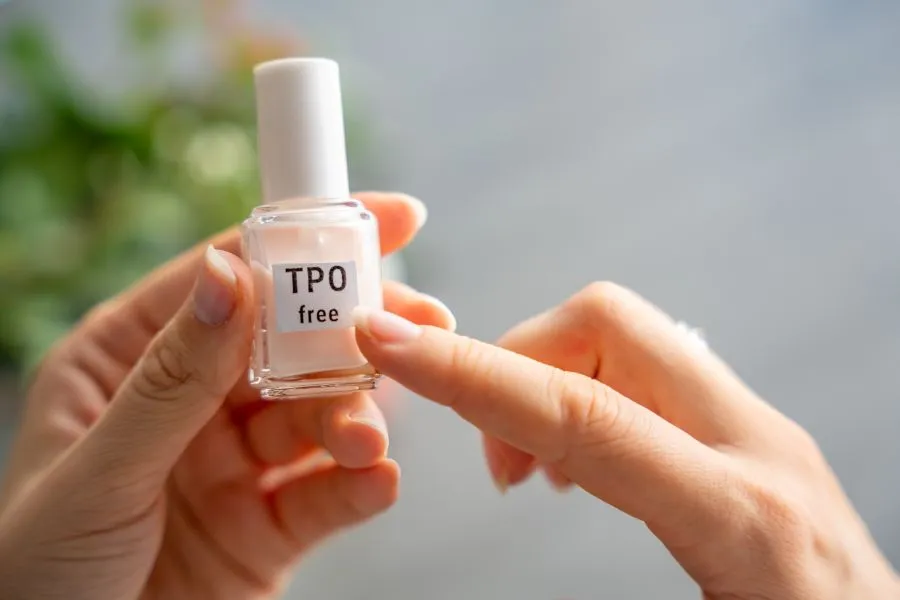 Increased European alerts highlight compliance issues in cosmetics. d closely with EU standards. Any brand formulating for international regulated markets needs to be working from a dynamic, market-specific ingredient framework, not a static approved list.
For clean beauty brands, the opportunity is to build compliance into the identity rather than treating it as a constraint on it. A brand that can genuinely demonstrate that its products are free of restricted substances, backed by current safety assessments and traceable supplier documentation, has something the market increasingly values, and that most competitors cannot actually evidence.
The risk is brands using clean beauty language as a positioning tool without the underlying compliance architecture to support it. That gap is exactly what enforcement is now very good at finding. My strong advice to any brand in this space is to treat ingredient safety not as a formulation philosophy but as an operating system. The philosophy attracts the customer. The system protects the business.