




EUDR faces second year of delays sparking criticism from climate NGOs


Key takeaways
- The EU has again delayed the implementation of the EUDR, pushing back the deadline to December 2026.
- The revised framework reduces administrative burden on operators while clarifying due diligence obligations.
- NGOs warn that the delay weakens forest protection and regulatory credibility.
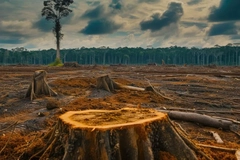
The European Council has confirmed it is postponing the EU Deforestation Regulation (EUDR) until December 2026, with a six-month extension for micro- and small organizations. The provisional agreement with the European Parliament also aims to simplify the implementation of EUDR rules.
The one-year delay gives the cosmetics industry more time to prepare for transparency throughout the supply chain.
The council states that the decision follows concerns from member states and stakeholders about the technical issues related to new information systems, as well as whether companies and administrations are adequately prepared.
These factors combined have led the co-legislators to support the postponement and simplification process.
The delay has been met with criticism from organizations, including the World Wildlife Fund (WWF), saying that the EU institutions have “signed off on a package of irresponsible matters.”
“Years of hard-won negotiations have been thrown under the bus in a matter of hours, and in whose interest? Instead of standing firm behind its own proposal and the will of citizens, the commission gives in and supports a deal that paves the way for the EUDR to be chipped away bit by bit,” says Anke Schulmeister-Oldenhove, policy manager for Forests at the WWF European Policy Office.
“Policy-makers have the nerve to claim that they want to fight deforestation, yet they delay and dilute the action needed to protect our forests.”
Full responsibility on operators
Cosmetic ingredients, especially those of natural origin, require substantial amounts of resources, including land and water. While contributing to deforestation, these ingredients are also complicating sustainability and traceability in the manufacturing process.
The council and the European parliament say that the mandates of both institutions were similar in terms of postponing the regulation, as they both focused on reducing administrative burden while preserving the main objectives of the regulation — stopping deforestation.
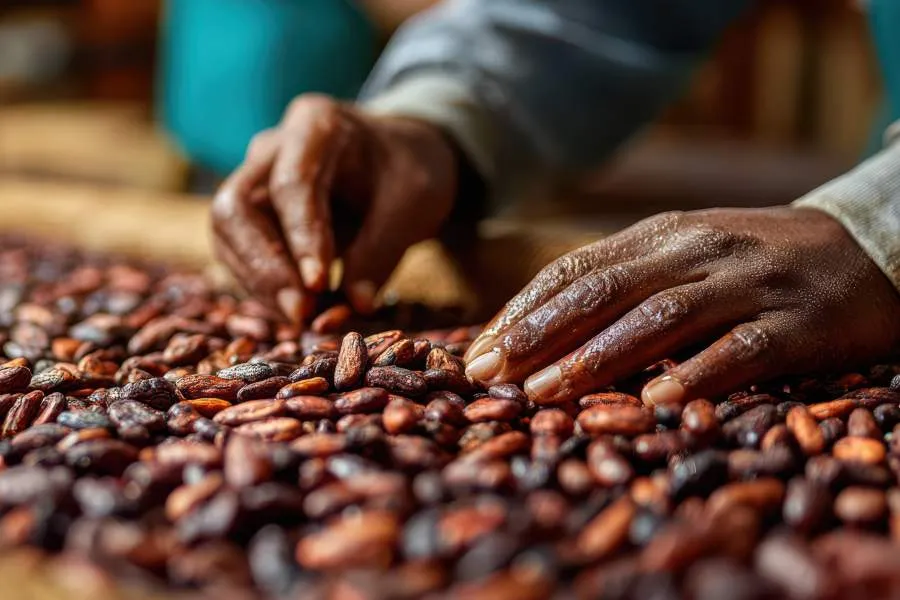 The WWF says 100 trees are lost every minute due to EU consumption, partially attributed to commodities such as palm oil and cocoa.The initial six-month grace period for micro- and small enterprises is now extended until June 2027.
Additionally, companies will be fully responsible and obliged to submit due diligence statements for their products placed on the market.
“The co-legislators have agreed that only the first downstream operator in the supply chain will be responsible for collecting and retaining the reference number of the initial due diligence statement, rather than passing it on further down the chain,” states the council.
For micro- and small primary operators, the simplified declaration requires them to submit a one-time declaration — a compliance document ensuring products do not cause deforestation — and then obtain a declaration identifier for traceability.
The EU institutions also emphasize the importance of maintaining a continuous exchange with experts, stakeholders, and other relevant parties on implementing the EUDR. The EUDR’s enactment will be achieved through the existing framework established by the commission’s group multi-stakeholder platform, which aims to protect and restore the world’s forests.
The WWF argues that, based on its recent research, a one-year delay is likely to result in 16.8 million metric tons of CO2 emissions. Additionally, approximately 100 trees are lost on average every minute due to EU consumption. The environmental destruction can be partially attributed to commodities, such as palm oil and cocoa, which are commonly used in personal care products.
“Most ironically, the agreement hinders the very businesses policy-makers claim to shield,” says the WWF.
The parliament and the council also agreed to require competent authorities to report significant IT system disruptions. These issues should be reported to the European Commission (EC) to ensure a functioning system, while also offering flexibility to decrease administrative burden.
Sequence of events
The EUDR first came into force in 2023, with an effective date scheduled for the end of 2024. Last year, it was postponed one year to give companies extra time to comply.
The new provisional agreement marks the second year of postponing the regulation.
 The new provisional agreement marks the second year of postponing the regulation.“The heart of the EU deforestation regulation remains intact. We are protecting forests that face a real risk of deforestation, while avoiding unnecessary obligations in areas where no such risk exists,” the parliament’s rapporteur Christine Schneider, commented about the recent delay.
“This agreement takes the concerns of farmers, foresters, and businesses seriously and ensures that the regulation can be implemented in a practical and workable way.”
Meanwhile, the Rainforest Alliance states that the new postponement seriously harms the EU’s credibility and its ability to ensure stability for many businesses that have already prepared for and anticipated the regulation.
“Many of our certified cocoa producers and supply chain partners have already dedicated significant resources to support EUDR compliance. Producing countries’ governments have also invested considerable effort in setting up national systems to support producers to remain included in EU supply chains. Today’s agreement discredits all these efforts and offers a reward to the laggards, again, while tropical forests continue to be destroyed.”
The EC will present a simplification review by April 30, next year. The report will evaluate the administrative burden and impact of the EUDR, especially on smaller operators. The council states that, where appropriate, the report should be accompanied by a legislative proposal.
Before entering into force and replacing the current EUDR, the agreement must be endorsed and formally adopted by both institutions.
The WWF says that the reviewed scheduling for the report opens the door to further weakening the regulation.