


AAK reveals holistic health and tech will shape personal care in 2026


Key takeaways
- Wellness and microbiome health are redefining skin care in 2026.
- AI and hyper-personalization are becoming more core to beauty product development.
- AAK reports that sustainability, transparency, and inclusivity will be top consumer expectations next year.

AAK has released its trend report for 2026, outlining how skin care and hygiene are evolving into holistic, tech-enabled, and value-driven practices, with a core focus on health and personalization.
The report, A New Era of Wellness, Technology & Authenticity, is based on recent research and trend reports, exploring how these shifts will shape the industry in 2026.
“As we look to 2026, the ‘new normal’ in personal care is unmistakably more holistic, more personal, more meaningful. Beauty isn’t just something you put on or look like, it’s something that integrates with how you feel, live, choose, and care,” says AAK.
“The brands that thrive will be those that embrace this shift — not just in their product labeling or marketing, but in their R&D, supply chain, consumer interface, and values statement.”
Wellness at the core
AAK reports that skin care is shifting from solely focusing on appearance to also visibly enhancing one’s well-being. It states “outward appearance reflects an inner state of health and vitality,” suggesting that radiant skin is a sign of a positive lifestyle, rather than a result of cosmetics.
“As part of that shift, we are seeing an increasing focus on longevity and cellular renewal,” says AAK.
Meanwhile, consumers’ expectations of formulas are also increasing. They now seek routines that boost emotional well-being, support the skin barrier, and balance the microbiome.
Microbiome supporting products are increasing across skin, hair, and oral care.
AAK urges brands to treat personal care as part of holistic health, rather than focusing on appearance or finish. The personal care ingredients company argues that this approach gives a strong market position.
Personalization and tech
A “one-size-fits-all” approach is diminishing in 2026 as customization, personalization, AI, and digital tools are gaining ground.
 The “one-size-fits-all” approach is diminishing in 2026.Personal care companies are embracing AI tools across categories. This year, Haut.AI has unveiled several skin analysis AI tools to offer “clinical-grade skin insight to everyone.” The company explained that what once required expensive lab equipment and expert knowledge can now be done with a photo.
AAK says AI-driven platforms will perform diagnoses, provide recommendations, or even formulate products tailored to specific skin types, scalp conditions, or biomarker profiles.
Last week, Cosmax also developed an AI scent prediction algorithm model based on the molecular structure of fragrances. The machine learning model is based on datasets from over 8,600 molecular fragrances to predict the scent of cosmetic raw materials and enhance the olfactory quality of cosmetics.
“The hyper-personalization trend is visible across the beauty industry, combining genomics and real-time feedback using interconnected devices to gather and analyze data, also known as the Internet of Things,” adds AAK.
Inclusivity, diversity, and authenticity
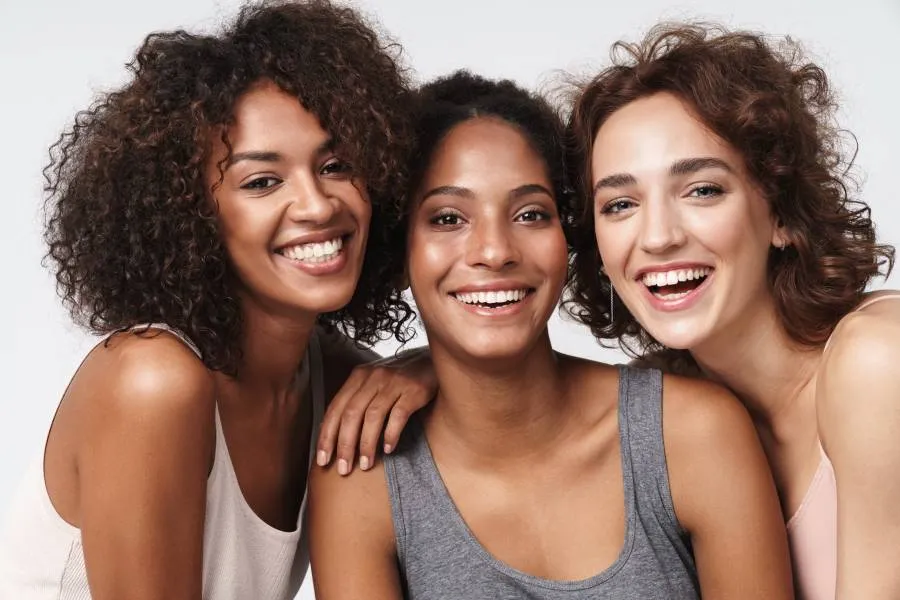
Also pointing to a shift away from “one-size-fits-all,” consumers are demanding products and brands that cater to everyone.
The desire for inclusive beauty solutions encompasses formulations for various hair types and structures, skin care for deep and diverse skin tones, and gender-neutral product ranges.
AAK says men’s skin care is experiencing exponential growth, and brands are focusing on beauty products tailored to their specific needs, such as those with thicker and oilier skin.
Meanwhile, there is also a similar shift in marketing, as brands are showing real people, stories, and imperfections. The company says this reflects that people don’t just want to look beautiful, but feel like themselves.
Consumer seeking clean formulations
Clean and sustainable beauty continues to dominate consumer expectations, and AAK expects this trend to intensify even further in 2026.
 Clean and sustainable beauty continues to dominate consumer expectations.Consumers are increasingly educating themselves about the ingredients in beauty products and their impact on the skin and environment. Consumers seek non-toxic, natural, and environmentally friendly formulations.
AAK states that simply claiming sustainability is no longer enough. Consumers now expect beauty brands to substantiate their claims with tangible proof, such as certifications, transparency, and traceable sourcing.
“In a world where many brands claim to be ‘eco,’ truly committing to genuine sustainability – rather than greenwashing – will differentiate the leaders,” says AAK.
From an industry perspective, there will be an increasing prioritization on transparency and accountability across supply chains. There will be a greater need to share data on the origins of ingredients and conduct product carbon footprints and life cycle assessments, enabling companies to identify and reduce their negative environmental impact.
Sensorial and emotional experiences
AAK also indicates that beauty is tapping into self-care and experiences.
“Beauty is increasingly linked to mood, wellness, and ritual rather than simply the end result. For example: skin care treatments that soothe, calm, or uplift as much as they hydrate.”
AAK notes that the neurocosmetics trend and the acknowledgment of the skin-brain connection remain prevalent, and new ingredients continue to be introduced into this space.
Personal Care Insights recently spoke with industry experts who told us that neurocosmetics are expected to “redefine skin care in 2026.”