
Shifting beauty searches: Research shows consumers prioritize products over brands

Key takeaways
- UK beauty shoppers are shifting from searching for brand names to products.
- Retailers and accessible luxury brands are gaining visibility through product searches.
- Natural looks, self-care rituals, and seasonal gifting trends are driving search demand.
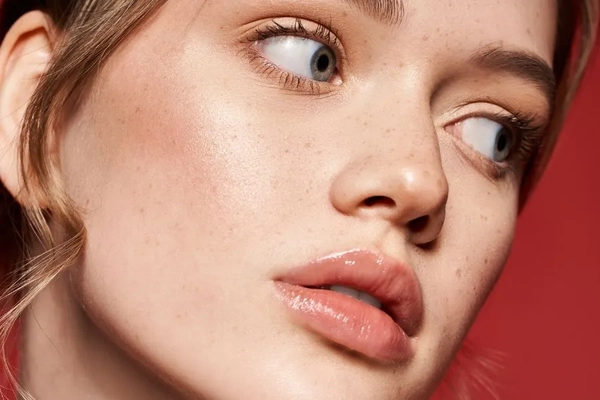
Research has revealed that UK beauty shoppers are shifting their purchase habits from a focus on brands to a focus on products. Brand searches have dropped by 1.4% year on year (YoY), while product searches have risen 3.28% YoY. This shift is reshaping how brands can compete for attention in the UK beauty market.
According to a report by the marketing agency MediaVision, declining brand searches are a sign of weakening brand loyalty. The influx of product searches, meanwhile, reflects consumers’ growing interest in finding solutions for their specific needs, influenced by the personalized beauty trend.
Consumers are starting their product discovery process by specifying what they want, rather than searching for a brand name. For example, instead of “Sephora,” they search “brown mascara,” and instead of “The Ordinary,” they search “niacinamide serum.”
The report emphasizes that, since shoppers typically start their search with product terms, brands must compete at this early discovery stage rather than relying on brand recall.
Amid this shift, SEO and organic visibility are becoming increasingly important, particularly as paid ads become more expensive and competition in the beauty market rises.
“Success in beauty now depends on understanding that discovery is dynamic. Consumers are no longer passively loyal — they’re actively exploring,” the report notes.
Consumers’ shopping behaviors are also influenced by the rising cost of living, which makes them more value-conscious. Shoppers look for affordable products that feel like a small luxury, according to the research.
Moreover, as the festive season approaches, gifting and self-care are becoming increasingly popular search trends. The report also shows searches for makeup gift sets, perfumes, hair dyes, and similar items are climbing as shoppers seek out products that combine value, utility, and visual appeal for gifting.
Agility boosts visibility
Brands must now appear in search results when shoppers search for product types or concerns, rather than relying on name-based queries.
According to the report, brands that respond faster to changing discovery patterns are the ones that gain visibility. This includes adjusting their content and changing their product positionings and messaging to align with current consumer interests. In this regard, flexibility and relevance are playing a larger role in search performance.
.webp) UK beauty brands now need to appear in early product searches instead of relying on name recognition.The report notes that paid media costs are rising, which makes a brand’s organic search strategies increasingly important. Strong SEO improves visibility during the early stages of product discovery and reduces reliance on paid channels.
UK beauty brands now need to appear in early product searches instead of relying on name recognition.The report notes that paid media costs are rising, which makes a brand’s organic search strategies increasingly important. Strong SEO improves visibility during the early stages of product discovery and reduces reliance on paid channels.
SEO strategies also contribute to long-term authority. Consumers are more actively exploring their options before making a purchase. They evaluate options, trends, and product functions rather than defaulting to big names.
“Optimizing for search doesn’t just lower acquisition costs — it strengthens brand equity, builds authority, and frees budget for performance marketing or profitability,” says MediaVision.
Range reigns
According to the research, retailers are the biggest winners from consumers’ shift to product-led beauty. The report shows that retailers benefit because they offer a broad range of brand options, multiple price points, and trusted in-store and online experiences. This positions them well when shoppers begin with a need or trend.
Boots leads the way, with 42% of all brand searches. The retailer also grew 1.14% YoY, which MediaVision attributes to its omnichannel presence and consistent visibility across online, app, and in-store channels.
Superdrug follows with 10.4% of brand search and a 0.16% YoY increase. Its relevance among younger, value-driven shoppers helps it stay front of mind in early search moments. The research also notes that the retailer’s continued expansion into Korean skin care also contributes to its growth, as the global popularity of K-beauty continues to increase.
LookFantastic ranks above Sephora, with 3.8% of brand searches, thanks to its broad product assortment and established loyalty programs. Sephora, meanwhile, sits just behind at 3.4%, but is growing more rapidly than LookFantastic due to its gifting strategies and widespread holiday season campaigns.
Among individual brands, Drunk Elephant has recorded the sharpest decline at 1.52%, partially due to the brand’s damaged reputation. The report says the figure hints “that the once explosive demand for hype-led skin care is starting to plateau.”
Accessible luxury pushes out heritage
The report suggests that consumers are gravitating toward brands that feel premium without the cost barriers of true luxury. Brands that offer premium experiences at accessible price points continue to outperform traditional prestige players, driving a surge in “accessible luxury.”
Space NK stands out as the fastest-growing retailer in the report, rising 0.58% YoY to a 2.3% share of brand search. The research suggests its curated offerings, experience-driven stores, and premium storytelling resonate with shoppers who are looking for small luxuries.
.webp) Shoppers are choosing natural-looking makeup and self-care products.Rituals follows with 0.3% growth, supported by its wellness products and established gifting portfolio, which helps boost sales during the festive season. Charlotte Tilbury is also performing well due to its holiday gift sets.
Shoppers are choosing natural-looking makeup and self-care products.Rituals follows with 0.3% growth, supported by its wellness products and established gifting portfolio, which helps boost sales during the festive season. Charlotte Tilbury is also performing well due to its holiday gift sets.
The Ordinary and Superdrug are each growing 0.16% due to continued demand for formulations that feel clinical, affordable, and elevated. Their performance highlights how premium positioning at affordable price points remains a key driver of success.
Meanwhile, brands relying primarily on legacy name recognition are beginning to lose ground. Cult Beauty declines 0.24%, illustrating how heritage alone is no longer enough.
Trends driving products
Beauty trends in the UK are driving product searches. According to the report, consumers are embracing products that support identity, subtle enhancements, and fit into their self-care routines.
Natural makeup is at the center of this shift. Brown mascara has surged 52%, “signalling a move toward more natural, understated beauty looks,” explains the report. Searches for bronzer are up 23%, further reflecting consumers’ interest in colors that can enhance their look rather than those that offer heavy coverage.
At the same time, shoppers are turning to products that reflect their “desire for self-expression and confidence through experimentation.” In this space, red hair dye is up 29% and searches for microblading eyebrows have risen 28%.
The growing influence of wellness routines and K-beauty philosophies is driving skin care solutions. Searches for Korean skin care have increased by 28%, and LED face masks have jumped 131%. The report says these increases indicate consumers are embracing refined simplicity and self-care rituals.
In makeup, lip stains are up 118%, reflecting consumers’ demand for formulas that offer long-lasting effects with minimal effort and no heavy texture.
Seasonal behavior reinforces many of these trends. Searches for makeup bags are up 21%, while makeup gift sets have grown 12.5%. The marketing agency suggests these increases indicate “how shoppers are already preparing for Christmas and seeking products that bundle value with presentation.”