



Evonik: What K-beauty teaches formulators about efficacy and speed


Key takeaways
- K-beauty has shifted the industry from marketing-led to formulation-led competition, Evonik says.
- Brands must now pair fast trend translation with substantiated, reproducible efficacy data.
- Hair and scalp care is predicted to be the next wave of K-beauty, with body care close behind.

South Korean beauty principles have pushed the personal care industry away from marketing-led products toward formulation-led outcomes. K-beauty has normalized fast trend-to-product cycles, ingredient-led storytelling, and hybrid, sensorial formats.
Consumers increasingly expect demonstrated efficacy, ingredient transparency, sensitive-skin compatibility, simpler routines, and inclusive design — all ground K-beauty already claims or is moving further into.
Daniel Coelho, global marketing manager for cosmetic solutions at Evonik, tells Personal Care Insights that beauty brands must separate lasting K-beauty shifts from momentary virality and turn them into formulations that hit defined efficacy, sensory, stability, sustainability, and regulatory targets.
Korea’s contract-manufacturing ecosystem has let brands turn an emerging consumer signal into a commercial product in months rather than years. For suppliers, that cadence means responsiveness, ready-to-use systems, and close technical support.
Pharmacy and dermocosmetic positioning is also gaining ground. Consumers associate K-beauty with barrier repair, sensitive-skin care, and clinically supported formulations — part of what Coelho calls a broader medicalization of beauty.
“The enduring lesson is not a single, hero ingredient but an approach: pairing substantiated efficacy with barrier compatibility, sensory quality, and transparency, and delivering it at the pace the market now expects, so that a formulation can be brought forward quickly and still explained honestly to an increasingly informed consumer,” he says.
Coelho discusses the Korean beauty principles reshaping formulation, how to separate efficacy from virality, and why hair and scalp care is the next wave.
How has K-beauty changed the personal care industry in the last few years, and where do you expect it to go?
Coelho: The most important way that K-beauty has changed the personal care industry is by shifting its center of gravity from marketing-led to formulation-led competition. K-beauty has normalized fast trend-to-product cycles, ingredient-led storytelling, sensorial and hybrid formats, skin-barrier thinking, and visible product experiences that consumers can see and feel. The next phase is likely to be more selective. Novelty and social visibility will still matter, but consumers will increasingly expect demonstrated efficacy, ingredient transparency, sensitive-skin compatibility, simpler routines, and inclusive design.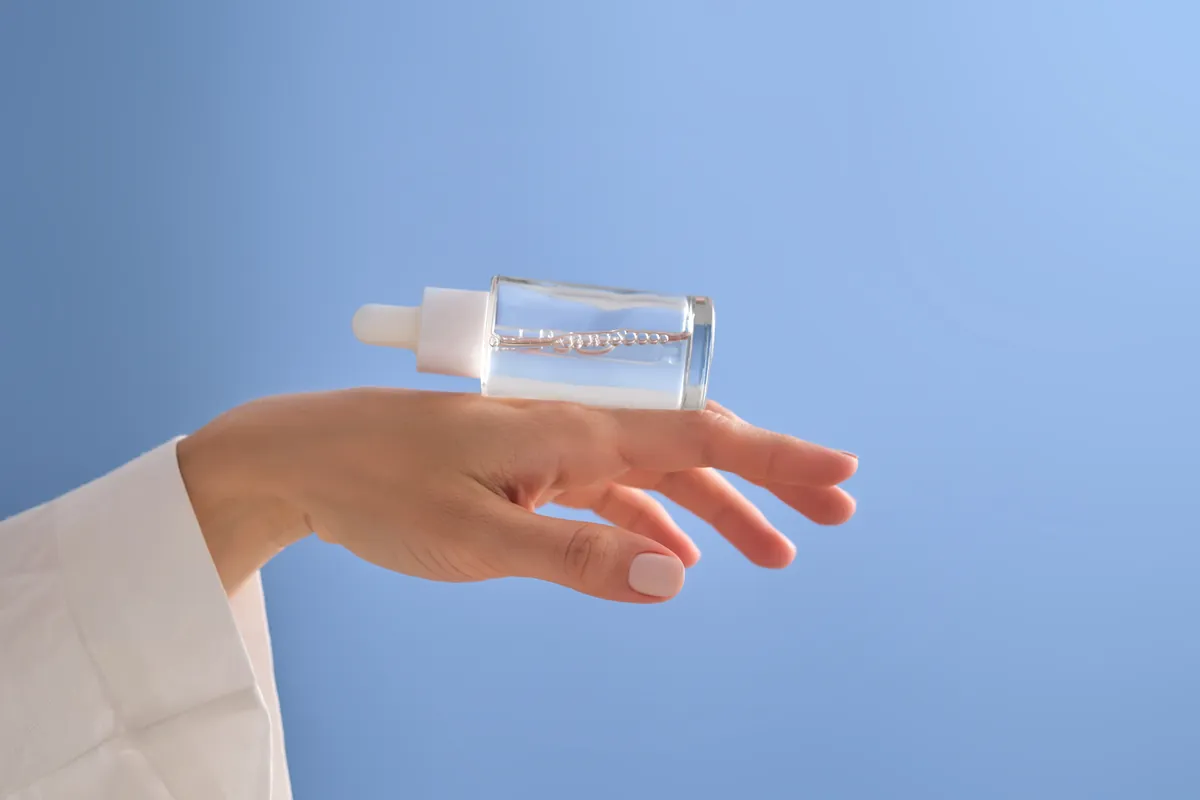 Coelho says K-beauty moved the competition in beauty from marketing claims to formulation performance.
[I also expect] expansion beyond facial skin care into hair, scalp, and body. We are seeing K-beauty reach well beyond topical skin care into adjacent categories such as beauty devices, wellness, and nutricosmetics, as Korean consumers increasingly treat beauty as part of a broader wellness ecosystem rather than something applied only to the surface of the skin. Beauty-from-within propositions, including ingestible and functional formats, are one visible expression of this shift.
The open question is which signals prove durable. That is where an ingredient partner adds value by helping brands to distinguish lasting shifts from momentary virality and translate them into formulations that meet defined targets related to efficacy, sensory perception, stability, sustainability, and regional and regulatory targets.
Which K-beauty principles have the most impact on cosmetics or cosmetic-ingredient development?
Coelho: The principles with the deepest influence are skin-barrier-first thinking, ingredient transparency, sensorial hybridization, and skinification. By skinification, we mean the migration of active-led skin care benefits into makeup, hair, and body formats. We also see consumers increasingly evaluating products ingredient-first, recognizing and seeking out specific actives and scrutinizing what a formulation contains.
For suppliers and formulators, the most direct consequence is a higher bar on substantiation and transparency, because each named active now has to be credible, meaningfully present, and supported by evidence. At the same time, the move toward simpler routines and hybrid, skinified formats means a formulation is expected to combine several benefits with an appealing sensory experience. That expectation is met by the formulation as a whole rather than by any single ingredient, and it is what raises the value of multifunctional building blocks that let formulators achieve more with fewer components.
This is exactly the kind of contribution our work at Evonik is designed to make. We offer multifunctional ingredients that perform across more than one application, together with emollient and film-forming systems engineered for lightweight, low-residue finishes, giving formulators building blocks that pair performance with an appealing skin-feel while keeping the formula streamlined.
A further principle worth highlighting is speed-to-market. Supported by Korea’s highly developed contract-manufacturing ecosystem, brands can convert an emerging consumer signal into a commercial product in months rather than years. It is often this ability to read a trend early and launch at scale, as much as any single formulation, that creates the competitive edge. For ingredient suppliers, that rhythm raises expectations around responsiveness, ready-to-use systems, and close technical support.  Coelho points to scalp care as K-beauty’s next major frontier.
Which K-beauty trends or technologies are you seeing the most requests for, and how do you separate efficacy from virality?
Coelho: Across the industry, the signals drawing the most attention cluster around clinically inspired actives, professional-beauty-adjacent concepts, and visible delivery systems such as hydrogel and fast-absorbing textures. Two of the most visible signals in the Korean market at present, PDRN and exosomes, sit firmly in this space. The former now reportedly derived from several different sources, and the latter is associated with regenerative, clinic-inspired concepts.
A more structural expression of the same theme is the growing weight of pharmacy and dermocosmetic positioning, where consumers increasingly associate the channel with barrier repair, sensitive-skin care, and clinically supported formulations, as part of a broader medicalization of beauty. The same medical framing is visible in the growing interest in post-procedure and recovery care, and in clinic-at-home concepts that bring professional-style care into a daily routine, as Korea strengthens its reputation as a destination for aesthetic procedures.
Our discussions with customers over recent years point to three recurring themes in K-beauty-related requests: novel textures and formats, distinctive sensory experiences, and active ingredients backed by robust substantiation. This reflects the conversations our teams have had rather than a representative market survey, but the direction is consistent. Whatever the level of social and search momentum behind a signal, visibility is not the same as efficacy. We separate the two with a disciplined sequence: Is the signal genuine consumer relevance or only social and search momentum? Is it technically feasible in a stable, safe, and compliant formulation? And is the performance substantiated and reproducible under defined test conditions rather than implied?
Western companies have adopted K-beauty principles. What does that do to the industry’s playbook?
Coelho: Increasingly, global companies view Korea not only as a source of trends but as an innovation hub in its own right, establishing local innovation centers and open-innovation partnerships to work directly with Korean start-ups and manufacturers. What they are trying to replicate is less any single trend than the broader Korean innovation ecosystem itself. The same globalization of the playbook is visible from the other direction, in the rise of international-first indie brands, many conceived with overseas consumers in mind from the outset and built around hero-ingredient storytelling, social commerce, influencer marketing, and international retail expansion. In several cases, these brands enjoy stronger recognition abroad than at home, a reminder that global visibility and domestic presence no longer necessarily move in step.
The practical implication is that agility and substantiation must now coexist. Fast trend translation is no longer enough on its own. Brands are expected to prove performance, formulate for diverse skin tones and climates, and simplify routines without diluting efficacy. For an ingredient partner, this is an opportunity to help customers combine the responsiveness K-beauty popularised with the rigor, regional adaptation, and claims discipline that durable, globally credible brands require.  Evonik’s Coelho argues visibility and efficacy are not the same thing.
Which category is the next wave of K-beauty?
Coelho: Based on the market signals we have reviewed, we expect the next wave to center on hair and scalp care, with body care as a strong secondary opportunity and color evolving as a crossover rather than a separate frontier. The clearest reason is that K-beauty’s skinification logic, applying skin care-grade actives, barrier thinking, and sensorial finishes, transfers most naturally to the scalp, a comparatively underserved area. Our own work in Latin America demonstrates this in practice. We share a trend-to-formulation collection on our customer portal, IntoBeauty, to showcase how an Asian liquid-mask format can be reworked for fast action and enhanced sensory attributes in a hair care application adapted to regional needs.
Body care follows closely as consumers extend their expectations from the face to the rest of the body. This trend is supported by active ingredients, gentle exfoliation, and biosurfactant-based cleansing. Color cosmetics are being reshaped by the same forces, with skin care actives migrating into makeup. However, this is seen as a crossover rather than a surge in its own right. Across all three, differentiation will come from adapting the benefit and sensory experience to local needs, not from Korean origin alone.