





US FDA clears LRM to test growth factor injection for under-eye hollows

Key takeaways
- LRM has secured US FDA clearance to advance injectable rhPDGF-BB into Phase 2b trials for under-eye hollowing.
- The treatment aims to regenerate tissue rather than simply add volume like traditional dermal fillers.
- The trial will assess safety, efficacy, durability, and immunogenicity before any potential FDA approval.
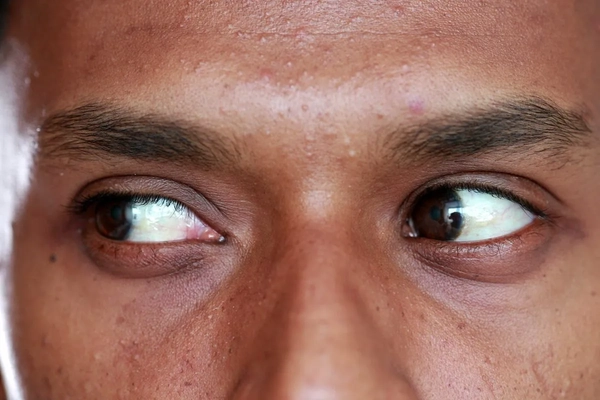
Lynch Regenerative Medicine (LRM) has secured the US Food and Drug Administration’s (FDA) green light to advance to Phase 2b clinical trials on the efficacy and safety of its injectable platelet-derived growth factor (PDGF) for under-eye hollowing applications.
The clinical trials on the Investigational New Drug (IND) will evaluate injectable recombinant human platelet-derived growth factor-BB (rhPDGF-BB) in adults with infraorbital hollowing (IOH). LRM defines IOH as an aging-related thinning of the skin and loss of supporting tissues under the eyes, which can cause a tired appearance.
The clinical trial will study the injectable pure PDGF for its safety for use and applicability to improve IOH through gradual, natural tissue regeneration.
“IOH involves changes in both skin quality and the underlying soft tissues. Injectable rhPDGF-BB is being investigated as a way to deliver the growth factor directly into the targeted tissue, rather than applying it topically to the skin,” Dr. Samuel Lynch, founder and CEO of LRM, tells Personal Care Insights.
“PDGF-BB has established biological roles in cellular signaling and tissue repair. The Phase 2b study will evaluate whether localized administration of rhPDGF-BB can produce clinically meaningful improvements in the appearance of IOH.”
LRM underscores its pure PDGF’s widespread global use as a pure, sterile regenerative growth factor. The company touts the factor’s multiple FDA approvals and its use in “millions of patients across topical, implantable, and injectable medical indications, including in the skin.”
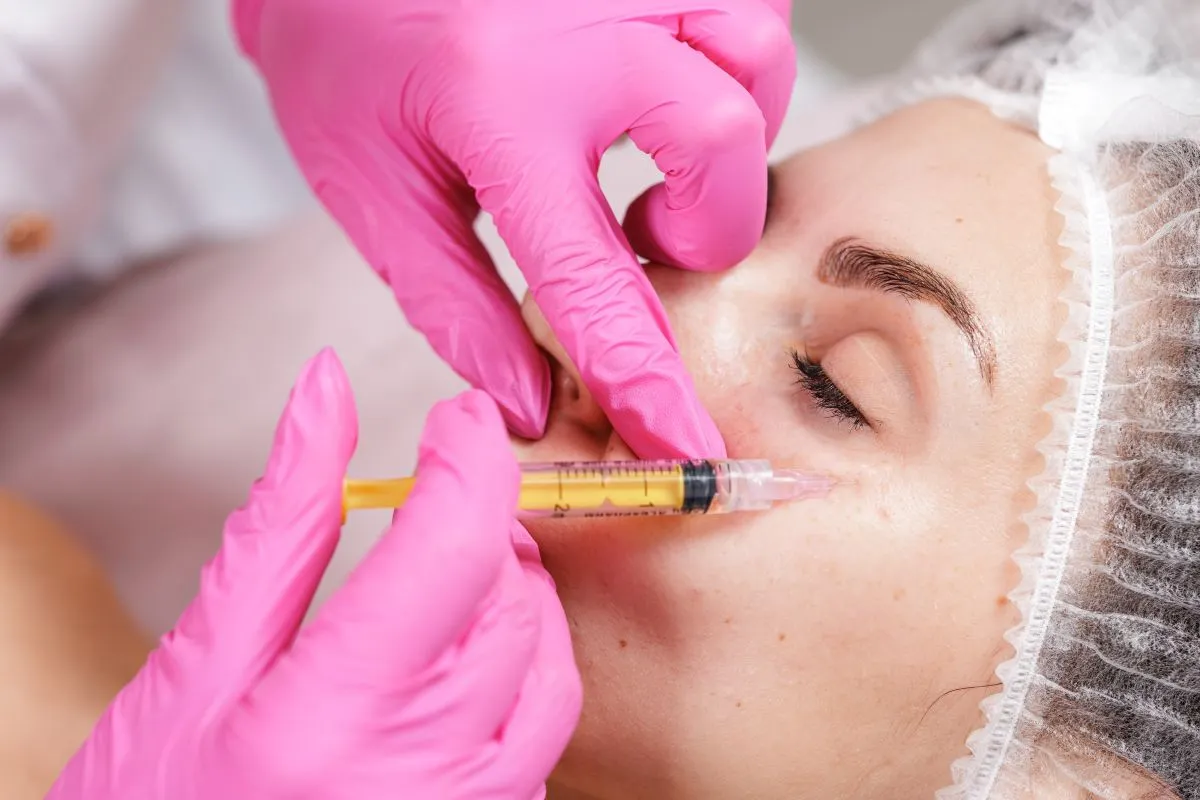
LRM is advancing injectable PDGF for under-eye hollowing.
Differing from dermal fillers
Lynch tells us that dermal fillers primarily address volume deficits through the placement of injectable material. LRM’s investigational approach is based on the biological activity of PDGF-BB and its potential to influence tissue responses.
“If demonstrated clinically, this approach could provide an alternative strategy for addressing infraorbital hollowing. However, whether it produces meaningful improvements in tissue volume or skin quality, and how durable those improvements may be, remains unknown,” he explains.
The Phase 2b clinical trial is a multi-center, randomized, dose-ranging study to evaluate the safety, tolerability, and preliminary efficacy of rhPDGF-BB injection for the treatment of IOH, according to LRM.
Primary benchmarks are the safety and improvement on the Canfield Infraorbital Hollowing Scale at 12 weeks. “Additional endpoints include assessments of improvements to the quality of the infraorbital tissue via validated patient-reported outcome measures and quantitative image analysis, as well as the pharmacokinetic and immunogenicity profile,” says Lynch.
He explains that the intention of the current study is not to establish superiority over dermal fillers. “Safety, clinical response, durability, and the potential limitations of this approach will need to be characterized through clinical development.”

The treatment is designed to support gradual tissue regeneration.
Potential in regenerative aesthetics
Lynch says that regenerative approaches represent an area of scientific interest in aesthetics, but well-controlled clinical evidence is needed to establish their safety and clinical benefit.
“Our Phase 2b study represents an opportunity to evaluate the potential of injectable rhPDGF-BB through a controlled clinical development program.”
If the results are “supportive,” they may open doors by providing a clinical footing to consider other cosmetic avenues in which this technology may be applicable.
“Any future indications would require their own clinical evaluation and appropriate regulatory development. Our immediate priority is to establish the safety and preliminary efficacy of rhPDGF-BB for IOH,” Lynch adds.

The Phase 2b trial will assess safety and clinical efficacy.
Moving toward approval
The Phase 2b trial will have to hit certain efficacy and safety benchmarks regarding rhPDGF-BB’s efficacy, safety, immunogenicity, and duration of effect in IOH use in order to progress further toward FDA approval.
“Efficacy assessments include clinician-evaluated improvement in IOH and patient-reported outcomes to help determine whether observed changes are clinically meaningful,” says Lynch.
He tells us that safety monitoring will include local and systemic adverse events, ocular safety assessments, and evaluation of potential immunogenicity through anti-drug antibody testing.
“Follow-up assessments will help characterize the persistence of any observed treatment response. The findings will inform the design of subsequent clinical studies, including the efficacy and safety evidence needed to support a potential future FDA marketing application.”
The company adds that injectable rhPDGF-BB for infraorbital hollowing is an investigational drug being evaluated under FDA IND 180509. It has not been approved by the FDA for this indication, and its safety and effectiveness have not been established.