




CPL Aromas debuts desirability fragrance tech to push sensual scent from storytelling to science

Key takeaways
- CPL Aromas launches AromaWellness Desirability to scientifically explore fragrance-driven attraction.
- The company uses fMRI imaging and questionnaires to measure neural and conscious responses to desire.
- Fragrance houses increasingly back emotional claims, such as attraction and connection, with neuroscience.

CPL Aromas has launched AromaWellness Desirability, the latest addition to its AromaWellness technology platform, exploring how fragrance can support feelings of desirability and attraction through scientifically demonstrated emotional benefits.
The release responds to an evolving fragrance and wellness landscape in which consumers are looking increasingly toward scents associated with confidence, attraction, and emotional connection. CPL Aromas says that AromaWellness Desirability sits at the intersection of these three emotional territories.
AromaWellness Desirability aims to create possibilities for fragrance to influence how people feel about themselves and engage with others.
Storytelling versus science
Attraction, sensuality, and magnetism have historically played a role in fragrance storytelling. However, now the market is shifting toward quantified emotional outcomes, neuroscience-backed language, and measurable benefits.
Therefore, CPL Aromas has approached desirability as an emotional response that can be scientifically explored through scent rather than as a creative narrative with AromaWellness Desirability.
According to the company, desirability is defined in its research as the degree to which a fragrance engages neural systems involved in motivational attraction or approach behavior. Under the incentive salience framework used in the research, this is associated with motivational significance and neural circuits linked to wanting and approach behavior.
To investigate these responses, CPL Aromas used fMRI (functional magnetic resonance imaging) alongside subjective response questionnaires, bringing together subconscious neural responses with participants’ conscious assessment of desire.
Catering to changing fragrance consumers
Research included in CPL Aromas’ launch identifies growing interest in mood-enhancing scent, science-led beauty, and the wider cultural conversation surrounding attraction-focused fragrance.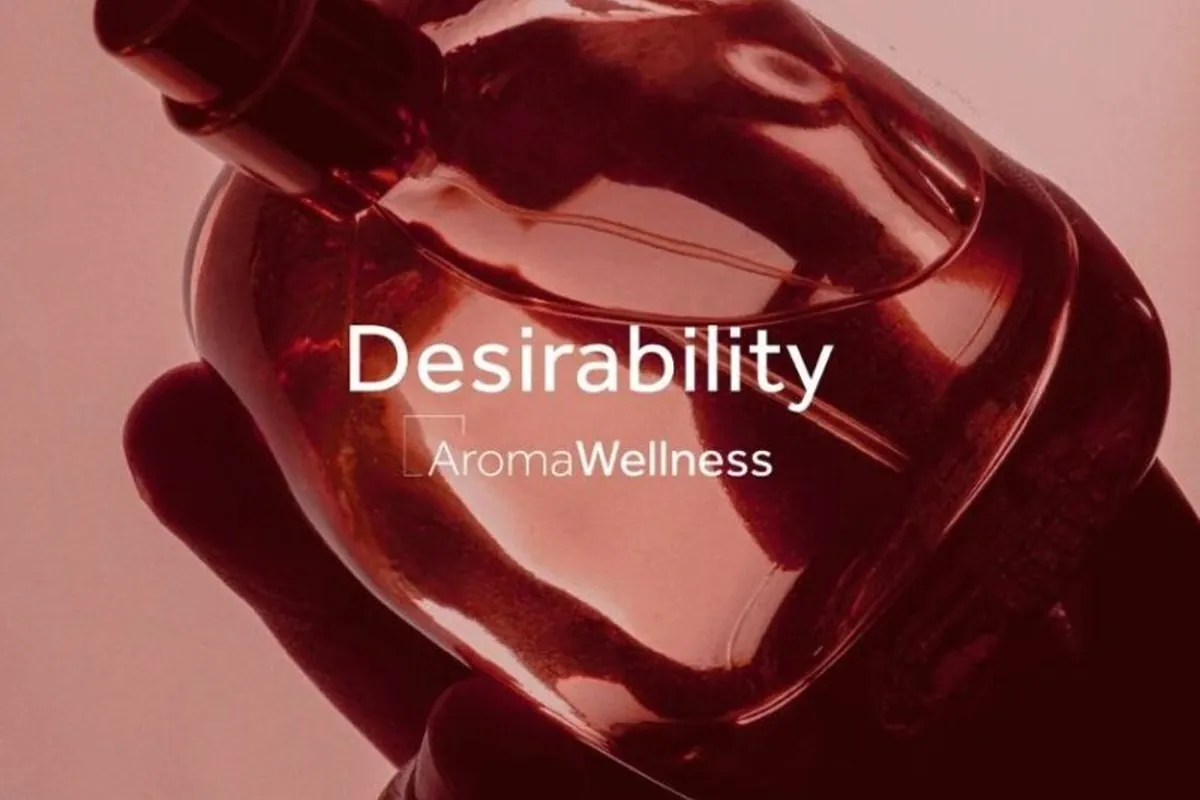 Neuroscience is reshaping how brands talk about sensual scents.
The research cites that 73% of US Gen Z consumers aged 16–24 and 68% in France believe fragrance plays a decisive role in attraction. The British fragrance manufacturer says this evolution creates an opportunity for brands to move beyond purely aspirational claims and explore fragrance benefits supported by scientific investigation.
CPL Aromas is not alone in seeking to validate sensuality through science. Last year, Givaudan launched ChériScentz, a fragrance design tool built on global consumer testing to help perfumers create sensual scents. The ingredient supplier told Personal Care Insights that such fragrances had often lacked scientific validation and were perceived as sensual largely because of brand storytelling and imagery.
Earlier this year, Eurofragance also presented its Get in the Mood collection. Its Attraction category for fine fragrance uses warm, creamy profiles built around charm, seduction, sensuality, and desire.
Pheromone-inspired launches are also gaining ground. Beauty incubator Maesa introduced String Theory, a pheromone-mimicking fragrance brand that uses its trademarked Phero-Mimetic Technology to boost confidence, sensuality, and attraction. Meanwhile, PlusOne released Pheromone-Inspired Perfume Oils carrying mood-enhancing and self-esteem-boosting claims in line with neurocosmetic trends.
Fragrance houses are also linking scent to connection with others. dsm-firmenich unveiled EmotiOn Social Connection, developed using AI-driven design and neuroscientific methods that measure brain activity in response to scent. Its survey of 12,000 consumers across 20 countries found that 52% of Gen Z feel isolated, while 61% of respondents said fragrance helps reduce loneliness.
Similarly, Givaudan recently presented Message in a Bottle, which explores social belonging as a driver of fragrance choice. The company’s research shows that 43% of women and 46% of men have emotional and social motivations around fragrance, with a marked skew toward Gen Z.