



Givaudan donates to communities impacted by extreme weather in Asia

Key takeaways
- Givaudan is donating CHF 150,000 (US$192,500) to support communities in Indonesia, Sri Lanka, and Vietnam impacted by cyclones and floods.
- The company’s Humanitarian Fund focuses on providing emergency relief and improving living conditions in areas where it operates.
- Givaudan aims to achieve net-zero emissions by 2045, with a strong emphasis on industry collaboration and sustainable practices.
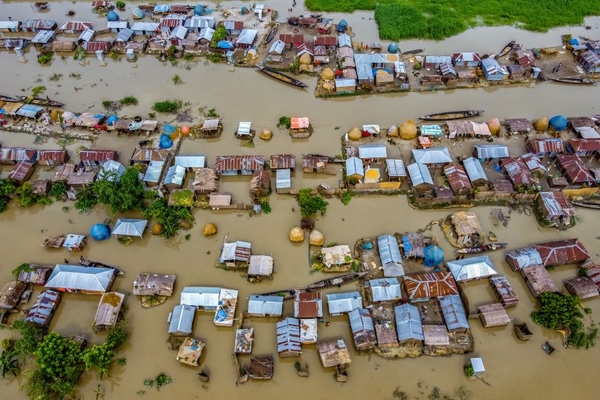
Givaudan is donating CHF 150,000 (US$192,500) to communities impacted by extreme weather events in Indonesia, Sri Lanka, and Vietnam. The food and fragrance ingredients company flags that millions of people in the region have been severely affected by cyclones and continuous monsoon rains. Extreme weather has also triggered flooding and landslides with “catastrophic” consequences since November 2025.
The donation is intended to support local relief efforts in the affected countries by providing emergency shelter, health care, sanitation, access to water, and livelihood recovery.
“With our strong presence and long-standing relationships in these countries, we stand in solidarity with all those impacted. Through the Givaudan Humanitarian Fund and our partnership with the Swiss Red Cross, we aim to help ensure that relief reaches those who need it most and that families can begin rebuilding their lives,” says Simon Halle-Smith, head of Global Human Resources and Environment, Health and Safety at Givaudan.
Personal Care Insights sits down with Givaudan’s Humanitarian Fund coordinator Kendra Pasztor and its global head of Sustainability Hallvard Bremnes to discuss the company’s donation to the region.
We delve into industry responsibility — especially in regions where companies are active, Givaudan’s sustainability goals, and engaging in humanitarian relief efforts authentically.
The donation is part of the wider Givaudan Humanitarian Fund, which launched in late 2024, Pasztor explains. The relief efforts are part of the company’s goal to improve living conditions in the communities from which it derives materials and operates by 2030.
“In this case, it is meant to provide immediate support to communities around Givaudan sites or sourcing areas for a range of humanitarian emergency situations, from extreme weather events and natural disasters to epidemics,” she tells us.
Sector responsibility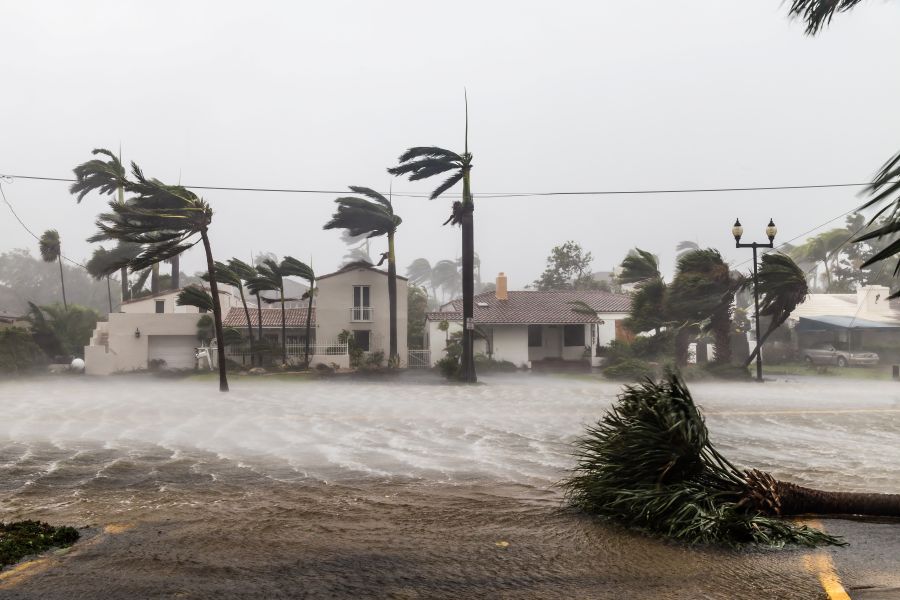
Collaboration with local partners ensures effective disaster relief efforts.
Bremnes highlights the importance of industry-wide collaboration in times of ecological volatility and strife.
“The impacts of climate change are becoming more and more visible, and a challenge this significant is not something that any one company, government, or organization can solve alone. Collaboration is vitally important, and in this respect, we all have a role to play,” he says.
“It is vitally important that we work closely with others,” Bremnes adds. “From our colleagues across the business to our customers, suppliers, partners, and beyond. At the same time, we need to stand with the communities in their time of need, and this is what the Humanitarian Fund does.”
Givaudan positions its ethos and ambitions on three pillars: nature, people, and communities. “The work of the Givaudan Humanitarian Fund is part of our support for the communities around us,” says Bremnes, underscoring a consistent throughline in the company’s operations and ethics.
“Alongside this, we have set complementary and interconnected ambitions such as our 2030 ambition to source all materials and services in a way that protects people and the environment, our 2030 ambition to contribute to protecting and regenerating biodiversity, as well as our ongoing climate journey, focusing on our ambition to achieve net zero greenhouse gas emissions across our value chain by 2045.”
The logistics of philanthropy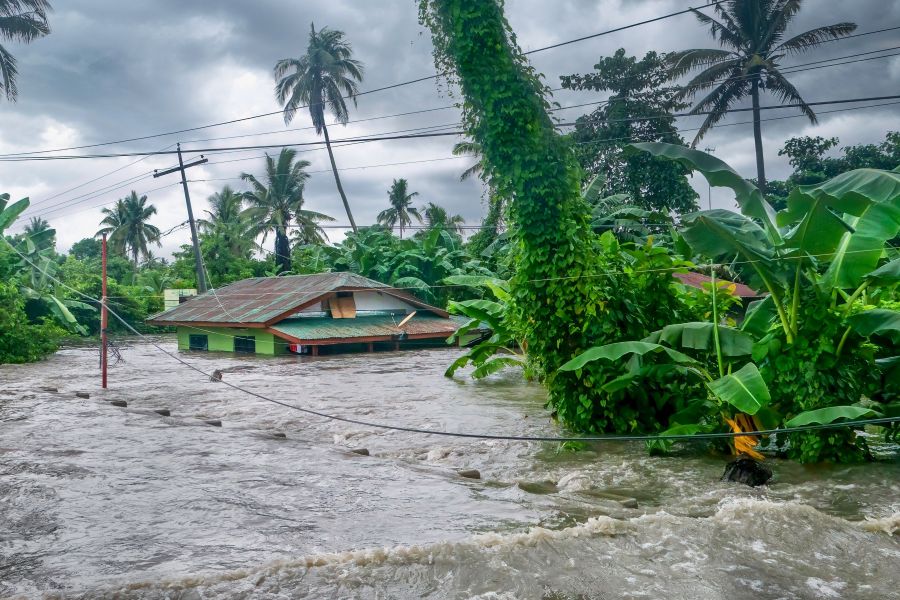
Givaudan’s humanitarian fund aims to provide shelter, healthcare, and recovery support.
Pasztor explains Givaudan’s donation process, in which colleagues on any site can and are encouraged to open a donation request. The donation suggestions are assessed and approved by our Executive Committee team.
“We then identify the most suitable expert partner with a presence in the country to deploy the donation. The partner reports back to us on how the donation was ultimately used, and we record the number of people assisted.”
She explains that the company follows certain criteria when deciding which organizations to collaborate with. They specifically choose those with emergency relief experience, the ability to reach affected communities, and those who are “already on the ground working on the specific emergency.”
“The Givaudan Humanitarian Fund is an ongoing, long-term initiative designed to support communities around Givaudan operations during challenging times and to act in solidarity,” Pasztor states.
She underlines the company’s efforts to effectively support relief organizations through its partner selection criteria, diligent monitoring of progress, and flexibility to adapt to changes.
“Humanitarian contexts are complex, fast-moving, and require specific expertise. Contributing to an effective humanitarian response starts with the selection of a partner with proven humanitarian experience and the capacity to incorporate our donation into their overall efforts,” she says.
“To ensure we have some insight into the outcomes of the donations made, we do assess the number of people reached with the donation, and that number contributes to Givaudan’s 2030 ambition to improve the lives of millions of people in the communities where we source and operate.”
Givaudan had reached over 820,000 community members by the end of 2025 through initiatives like the Humanitarian Fund.