


Jordan’s chemical and cosmetics exports lead in revenue


Key takeaways
- Jordan’s chemical and cosmetics sector generated the highest export revenue in the first nine months of the year among the country’s industrial sectors.
- The country’s geographic location enables it to benefit from a variety of raw materials and trade agreements.
- International brands expanding across the Middle East highlight the region’s growing demand for beauty products.
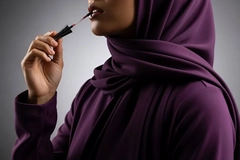
Jordan’s chemical and cosmetics sector was its highest industrial exporter in terms of revenue for the first nine months of 2025. According to data released by the Jordan Chamber of Industry, chemical and cosmetics exports increased by 9% year-over-year, reaching JOD 1.448 billion ( US$2.04 billion).
The sector has solidified its role as a major driver of Jordan’s manufacturing growth, outperforming key industries such as leather, engineering, and electrical.
The country’s cosmetics and chemical industries rely on local raw materials and imports that are processed and re-exported with higher added value.
Jordan also benefits from free trade agreements with the US, EU, Canada, Singapore, Turkey, and most Arab countries. These agreements offer Jordanian exports tariff advantages, particularly in the pharmaceutical and chemical sectors.
Recent trade data shows Jordan’s main export partners include Iraq, the US, India, Saudi Arabia, and Syria.
Moreover, Jordan’s chemical and cosmetics industries benefit from several valuable local raw materials. The country’s geographic location provides it with a variety of Dead Sea minerals, including magnesium, potassium, bromine, and mineral-rich mud, which is often used in skin care and wellness products.
The country also has large reserves of potash, phosphate rock, silica, kaolin clay, and limestone, which support the production of chemicals, surfactants, and cosmetic ingredients.
Middle Eastern moves
Jordan’s cosmetics sector growth aligns with the rising demand for beauty and personal care products across the Middle East.
Across the Gulf Cooperation Council (GCC) region, E.L.F Beauty recently expanded its cosmetics presence through an exclusive partnership with Sephora. The company said the GCC is the most requested region for its products out of areas it does not yet have a retail presence in, “with social mentions up 38% in the region.”
L’Oréal’s Q3 financial reports also showed that the SAPMENA–SSA region (South Asia Pacific, Middle East, North Africa, Sub-Saharan Africa) remained its fastest-growing region. It delivered €3.07 billion (US$3.56 billion) in sales, representing an 11% increase.
Moreover, K-beauty brands are also tapping into the Middle East’s heightened demand for cosmetics. The Korean Ministry of Food and Drug Safety reported that entering these markets helped fuel K-beauty’s growth through 2025.