




New Lancet Commission puts skin disease in global health spotlight


Key takeaways
- The Lancet has launched its first Commission dedicated entirely to skin health.
- Skin diseases affect nearly 5 billion people worldwide but remain underfunded in global health systems.
- Experts say the personal care industry can help support prevention, education, and early skin health management.
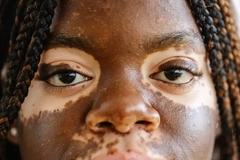
The Lancet unveils its first commission dedicated to skin health to help bring dermatology to the global health agenda. The Lancet Commission on Skin Health will convene global experts to study the burden of skin diseases and develop policy recommendations to improve global access to dermatological care.
According to The Lancet, skin diseases affect nearly 5 billion people globally, yet remain widely underfunded and misunderstood in public health systems. Many countries have fewer than three dermatologists per million people.
“[Skin disease] is among the leading causes of years lived with disability worldwide. It spans infectious, inflammatory, neglected tropical, and cancer diseases. But, because it sits across so many categories, it has often fallen between traditional global health silos rather than being treated as a core health systems issue in its own right,” Dr. Esther Freeman, associate professor of Dermatology at Harvard Medical School, US, tells Personal Care Insights.
Freeman, who will co-chair the Commission, says its establishment aims to help push governments and global health organizations to treat skin conditions as serious health issues rather than cosmetic concerns.
The move opens opportunities for the personal care industry to support prevention, education, and earlier skin health management.
“The industry has an opportunity, and I would argue a responsibility, to help shift the narrative around skin disease,” Freeman asserts. “Too often, skin conditions are framed as cosmetic problems, when in reality they can cause significant disability, stigma, and social exclusion.”
The WHO recently recognized skin diseases as a global health priority. Freeman argues that the resolution is important because it gives countries a mandate to move skin health out of the margins and into national planning.
“Access to care for skin disease shouldn’t be a privilege,” she says.
Dermatology enters policy
The Lancet is one of the most influential medical journals, publishing medical research and often convening “Lancet Commissions,” which are expert panels that study major health issues and produce policy recommendations.
.webp) In some regions, even basic skin care products can be difficult to afford.When a Lancet Commission publishes findings, they often influence WHO policy discussions, government health strategies, and global funding priorities. “A Lancet Commission is a huge opportunity for the skin health and dermatological communities,” Freeman explains.
In some regions, even basic skin care products can be difficult to afford.When a Lancet Commission publishes findings, they often influence WHO policy discussions, government health strategies, and global funding priorities. “A Lancet Commission is a huge opportunity for the skin health and dermatological communities,” Freeman explains.
The newly established group aims to target the factors that have caused skin diseases to be overlooked compared to other diseases with similar burdens.
“Skin disease is rarely fatal in the way some other conditions are, so it has historically received less political attention even though it causes enormous disability, stigma, lost productivity, and reduced quality of life,” she tells us.
“The Lancet Commission makes the point that skin health is not a niche specialty issue — it is a population health issue, and global policy is finally starting to catch up with that reality.”
Addressing a shortage
Freeman previously told Personal Care Insights that the “global skin care crisis” primarily affects low and middle-income countries. She explained that, in Tanzania, for example, 90% of patients with albinism will die a premature death before the age of 30 if they don’t have access to sun protection, while in the Democratic Republic of the Congo, an essential moisturizer can cost twice a monthly salary.
Prior data shows that there are zero to three dermatologists per one million people in sub-Saharan Africa, 34 dermatologists per million in the US, and 50 per million in Europe.
The Commission suggests that digital tools such as teledermatology and AI can help close the care gap, but won’t ultimately eliminate the issue.
“Teledermatology can extend scarce specialist expertise, support triage, reduce unnecessary travel, and help front-line clinicians manage more common conditions locally,” she explains. AI may further help to recognize some skin diseases earlier and prioritize care, particularly for skin cancer.
However, “the technology still has a long way to go to make that a reality, for example, in sub-Saharan Africa,” she says.
“The biggest barrier by far in many places is still workforce capacity. If there are too few trained people to examine patients, prescribe treatment, follow them over time, and connect them to medicines, technology alone will not solve the problem.”
.webp) Visible skin conditions, such as scars or chronic diseases, can carry social stigma.Organizations, such as the International League of Dermatological Societies (ILDS), the International Alliance for Global Health Dermatology (GLODERM), and the International Foundation for Dermatology (IFD), all of which back the Commission, are working to build greater capacity for local care.
Visible skin conditions, such as scars or chronic diseases, can carry social stigma.Organizations, such as the International League of Dermatological Societies (ILDS), the International Alliance for Global Health Dermatology (GLODERM), and the International Foundation for Dermatology (IFD), all of which back the Commission, are working to build greater capacity for local care.
“ILDS has used its official relationship with WHO to elevate skin health globally, IFD focuses on improving skin health in low-resource settings, and GLODERM is helping build the next generation of global skin-health leaders through mentorship and capacity strengthening,” Freeman says.
Changing the narrative
Freeman explains that one of the most important points in the Lancet Commission is targeting the stigmas around skin diseases.
“Skin disease is visible, and that visibility can lead to shame, exclusion, delayed care-seeking, and even loss of schooling and work in some settings. So the response cannot be only medical. It has to include stigma reduction, education, and patient-centered advocacy,” she says.
She believes that public campaigns should normalize seeking care, and that strategies should train health workers to communicate respectfully. The personal care industry can play a role here by changing the messaging around skin concerns and using its proximity to dermatological issues to scale affordable prevention tools.
“The most helpful contributions are likely to be support for education campaigns … and public-private partnerships that expand access in underserved communities,” Freeman says.
She explains that the partnerships could work to strengthen the circulation of training resources, support digital education, and fund access programs.
“When done thoughtfully and transparently, those partnerships can reinforce an important message: skin health is health, not just cosmetics,” she says.