




Debut targets “Ozempic face” with AI-engineered elastin-boosting active


Key takeaways
- GLP-1 weight loss drugs are driving new skin-aging concerns, accelerating demand for targeted, at-home skin-tightening solutions.
- AI- and genomics-engineered bioactives like DermCeutical EDL address skin laxity at a cellular level, delivering procedure-like results without in-office treatments.
- Biotech-driven skin care is reshaping mass beauty, opening the door to personalized, non-invasive routines.

Debut has launched an ingredient targeting cellular aging, to address the demand for procedure-like results at home and help fight the skin effects of GLP-1 drugs such as Ozempic or Wegovy.
The active ingredient, DermCeutical Elastin Deep Lift (EDL), targets premature, sudden-onset skin laxity caused by GLP-1 drugs. Personal Care Insights speaks with Joshua Britton, PhD, founder and CEO of Debut, about the product’s functions, industry applications, and efficacy.
The rise in GLP-1 use — in 2024, 12% of US adults reported trying the weight loss drug — is creating a novel set of side effects for the personal care industry to address. “Ozempic face” is a term attributed to the hollow and aged appearance caused by sudden weight loss and compromised skin elasticity after using GLP-1 drugs.
“Rapid weight loss caused by widespread adoption of GLP-1 medications outpaces the skin’s ability to adapt, leading to skin laxity, sagging, and loss of elasticity in the face and body,” explains Britton.
“This isn’t a gradual, age-related change, but rather an unexpected side effect of these weight loss medications. As a result, skin laxity has become a growing concern across the population, accelerating demand for solutions that help restore dermal structural support.”
According to Britton, the prevalence of GLP-1 use makes support for weight-loss-related skin and body effects a key consideration for brands.
The face of the future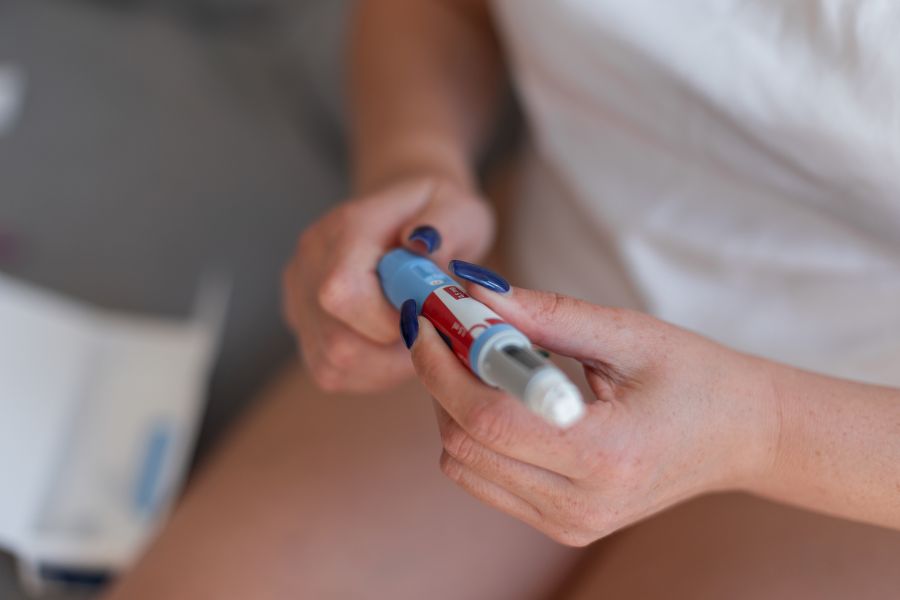
GLP-1 weight loss drugs are creating new skin care challenges.
Debut foresees bioactives like DermCeutical EDL becoming a standard in mass-market skin care. “We expect novel ingredients engineered through AI, genomics, and biotechnology to eventually become standard as consumer needs evolve,” says Britton.
Modern solutions such as GLP-1s are creating modern problems.
“Medications like GLP-1s are creating entirely new skin challenges, such as accelerated skin laxity, which conventional skin care cannot address. Bioactives powered by AI and genomics are enabling a new class of transformative topicals that target the biological root causes of these changes, delivering results once only possible in the treatment room,” explains Britton.
For future applications in the personal care industry, Britton projects that demand for active ingredients like DermCeutical EDL will increase.
“We anticipate personalized products for consumers experiencing metabolic and medication-related changes, delivering results aligned with their biology. Moreover, because these ingredients are so specific, they are often used at active loadings below 1% for maximum clinical effectiveness.”
“In the future, biotech will not only be higher-performing but will be a cost saver compared to loading formulations with 20% vitamin C or 5% niacinamide — that is truly when mass beauty becomes clinical.”
Moreover, consumers are increasingly preferring non-invasive dermatological solutions, turning to at-home fixes and preventative maintenance.
“Consumers are no longer satisfied with subtle, surface-level improvements, fueling innovation in a new class of ingredients: AI-discovered, performance-driven, pathway-specific, clinically validated, IP-protected, and brand-defining,” says Britton of the refined demands of the modern cosmetics consumer.
“Today’s consumers expect products that address the root causes of aging early, delivering measurable, clinical results before the need for in-office interventions arises. This shift is reshaping how products are developed, positioned, and marketed, opening the door to new claims, hybrid protocols, and categories that bridge topical skin care and clinical procedures.”
Out of office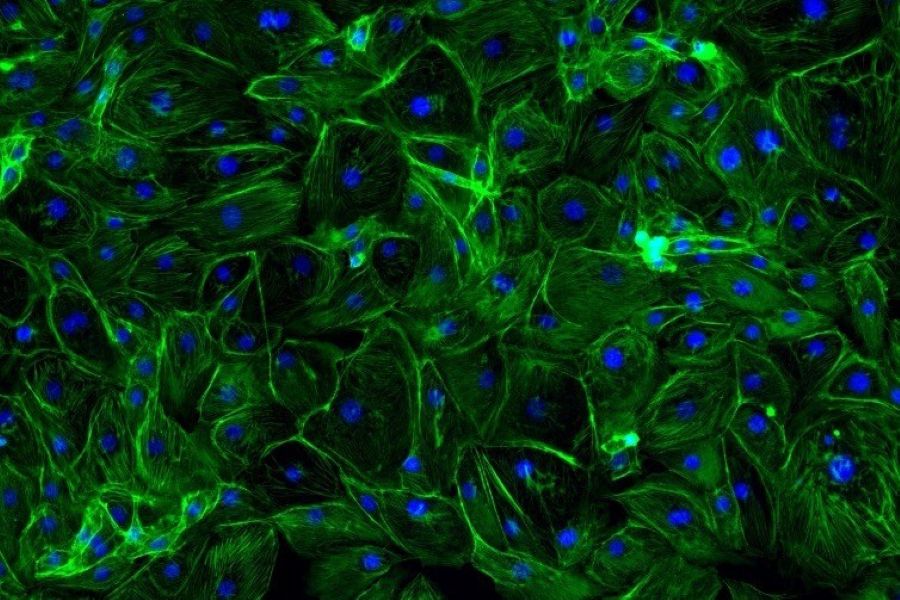
AI-driven bioactives are redefining at-home skin-tightening solutions.
DermCeutical EDL can deliver at-home skin-tightening results comparable to those of in-office treatments. With a 100% fine-line improvement rate and a 73% improvement in skin sagging compared to placebo, the active ingredient has indicated improvements in key skin metrics in a 12-week clinical study.
“[DermCeutical EDL] also rejuvenated aged cells by 31%, restoring skin structure and resilience, while elastin production increased six-fold, resulting in visibly firmer skin,” reports Britton.
“Through AI, genomics, and biotechnology, Debut can engineer new molecules that activate the same biological pathways targeted by professional procedures, allowing consumers to achieve visible results at home without office visits, downtime, or the high cost of professional treatments.”
The ingredient is part of an industry influx of cellular-level personal care products.
“Biotech actives like DermCeutical EDL work at the level of biological pathways, rather than accelerating cell turnover or enhancing surface appearance like conventional actives,” says Britton.
“Unlike traditional peptides or retinoids, which deliver primarily surface-level effects, EDL targets the underlying biological pathways for deeper improvements in skin elasticity and dermal structure.”
As consumers increasingly seek non-invasive skin-tightening treatments, Debut supports autophagy, an essential in the cellular maintenance process that recycles damaged components. The use of autophagy aids in anti-aging skin care without requiring interventions such as injections or surgery.
“Identified through Debut’s AI discovery engine, DermCeutical EDL activates dermal fibroblasts to boost elastin, the key skin-scaffolding protein essential for firmness. It also mitigates cellular stress by downregulating stress-related proteins and reversing adverse gene expression, supporting long-term dermal health and a visibly lifted appearance,” says Britton.
AI in beauty
Debut credits its AI discovery platform, BeautyORB, with the level of efficiency and precision in DermCeutical EDL. “Even at an aggressive screening rate of one million compounds per day, completing this process would take more than 100 years,” says Britton.
“[BeautyORB] is designed to explore an almost limitless chemical universe — more than 96 billion potential compounds — while mapping each to detailed gene activity across approximately 30,000 genes within a specific cell.”
BeautyORB accelerated the identification of EDL by mapping the specific genes and biological pathways linked to skin tightening and elastin regeneration. This genomic prescreening reduced development timelines and enabled earlier prediction of efficacy and safety.
“This level of insight is simply not achievable through traditional R&D, where time and cost would make such exploration unfeasible, and where many of these molecular structures do not exist in nature, we create the new,” he says.
“We do not wander into nature to find ingredients from plants, we use targeted ingredient discovery powered by best-in-class AI and proprietary genomic data sets to create a new era of beauty.”