




La Roche-Posay funds skin toxicity database to address racial disparities


Key takeaways
- La Roche-Posay is funding a “first-of-its-kind” photo database of skin toxicity to improve cancer care for diverse skin tones.
- The ONS-integrated resource addresses racial gaps in medical education that impact patient care.
- The initiative aims to ensure equitable identification and treatment of cancer-related skin toxicities across all patients.

La-Roche Posay is funding the development of the Skin of Color Skin Toxicity Photo Repository, a “first-of-its-kind” digital database designed for oncology nurses to identify abnormalities in non-white skin tones.
The funding is delivered through a partnership with the Oncology Nursing Society (ONS) and aims to address the critical and potentially fatal racial disparity in cancer care. The database focuses on how side effects caused by cancer treatments, such as radiation dermatitis, targeted therapy rashes, and hand-foot syndrome, appear on diverse skin tones.
La Roche-Posay cites that while an estimated 80% of oncology patients suffer skin toxicity effects from cancer treatments. However, the educational materials for medical professionals record a discrepancy in representation, with only 4.5% featuring diverse skin tones. Meanwhile, 40% of the US population is non-white.
This discrepancy in medical representation poses a patient safety risk for the Black community and other communities of color. The inadequate and non-inclusive educational materials cause oncology nurses, who are positioned on the frontline of patient care, to lack the visual tools necessary for early detection and management of toxicities in those with dark skin.
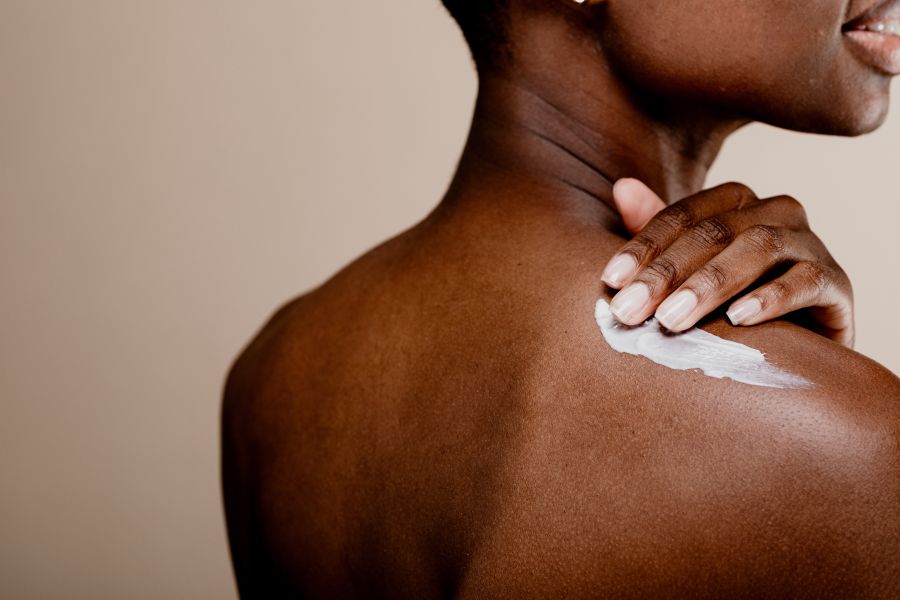
Improved representation supports safer, more equitable cancer care.
“Strengthening early identification and intervention through this resource is essential to improving patient outcomes and ensuring every person impacted by cancer receives the highest standard of care,” says Jessica Macintyre, board of directors president at ONS.
Rachelle Mladjenovic, general manager at La Roche-Posay, US. adds: “When we looked at the data, it was a clear call to action for the brand. Only a small fraction of medical materials had shown what these side effects look like on darker skin tones, and now with the integration of the Skin of Color Skin Toxicity Photo Repository within the ONS platform, we are proud to provide the best level of care for all cancer patients across all skin tones.”
As part of its previous educational endeavors, La Roche-Posay, the Women’s Dermatologic Society, and the Department of Dermatology at Howard University, US, collaborated on another “first-of-its-kind” funding project to diversify the dermatology industry through the Diversity in Dermatology Fellowship.
The skin care company also engaged in sun-safety awareness efforts as the official sunscreen partner of the tennis tournament, Banque Nationale de Paris Paribas Open.
La Roche-Posay’s newly funded photo repository will function as an exhaustive, scientifically backed educational resource embedded into ONS platforms. The grant aims to provide the money needed to build the database oncology nurses will use to provide more equitable care, reducing structural issues that perpetuate unequal medical access.
The initiative aims to ensure that all patients, regardless of their skin tone, have potential skin toxicities correctly identified and treated.
The funding was announced in honor of Black History Month, in observance of World Cancer Day.