



Ozen challenges “stagnant” sensitive toothpaste category with aerospace-inspired tech


Key takeaways
- Ozen has launched a sensitive toothpaste at more than 800 Boots stores across the UK, offering an alternative to traditional products in the category.
- The company’s AeroGraft technology works within minutes to reduce tooth sensitivity.
- The innovation uses aerogel-derived technology to create a protective mineral layer on the tooth’s surface.

Ozen has launched at over 800 Boots locations across the UK with “the first new sensitive toothpaste patent in nearly 30 years.” Ozen’s toothpaste leverages its AeroGraft technology derived from aerogels, an ultralight material used by NASA for aerospace engineering.
The brand states that it is entering the sensitive oral care category that has seen “little meaningful innovation since the 1990s.”
The company notes that AeroGraft’s fast-acting technology functions by blocking tubules and releasing calcium and phosphate ions to produce a long-lasting protective layer on the tooth surface.
Consumer feedback on Ozen indicates high efficacy when compared to traditional sensitive toothpastes. In a consumer trial of 1,140 adults, 84% said Ozen outperformed their current sensitive toothpaste.
Personal Care Insights sits down with Dr. Niall Kent, Ozen founder and maxillofacial surgeon at the UK’s National Health Service. We discuss how AeroGraft technology differentiates Ozen’s toothpaste from traditional sensitive toothpastes, the mechanics of how AeroGraft reduces tooth sensitivity, and how its porous and extremely reactive nature contributes to its fast efficacy.
Where traditional sensitive toothpaste offerings have a cumulative effect and show efficacy over long-term use, Kent tells us that Ozen’s product functions within minutes of contact with saliva. Users can apply it directly to sensitive areas before consuming hot or cold drinks or other common sensitivity triggers.
Aerogels are synthetic, ultralight porous materials composed of up to 99.8% air and regarded as one of the lightest known solids. Kent first came across the aerogels when helping his brother, a sculptor, look for art materials. The oral care technology was then developed over 10 years of research at University College London, UK.
“I knew the existing treatments were masking the problem rather than solving it. The technology had not changed in decades. We borrowed from aerospace and art to do what dentistry had not,” says Kent.
He argues that while there have been other sensitive toothpaste patents in the past 30 years, these have been either combinations or improvements on existing technologies.
“Bioactive aerogels or AeroGraft didn’t exist as a material known to humans until we invented them,” he states. He underlines that this innovation also exposes a category problem in which, oftentimes, what is framed as “new” is an iteration of previous technologies.
How does AeroGraft work, and what makes its mechanism different from conventional toothcare?
Kent: Most sensitive toothpastes either try to numb the nerve inside the tooth or are very slow to react. Scientific studies show these take weeks to work, and the protection can wash away with a single sip of water.
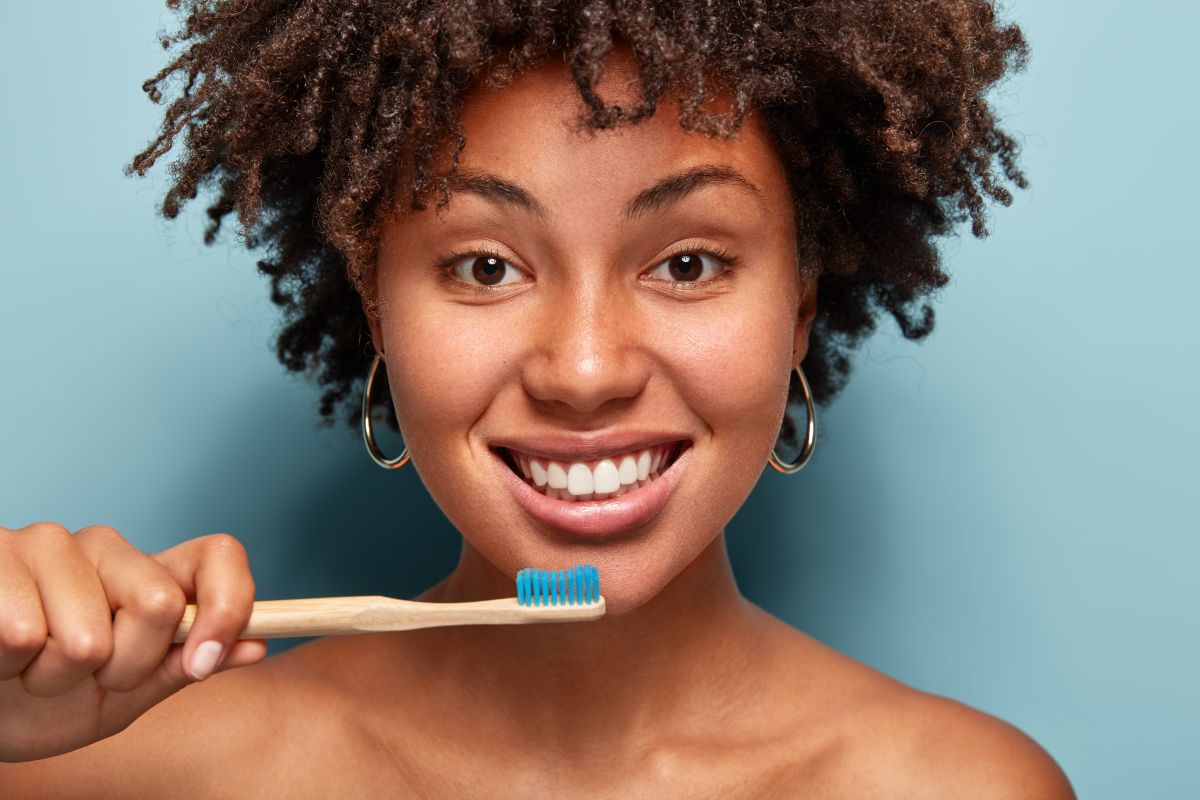 AeroGraft releases calcium and phosphate ions on the tooth surface.AeroGraft is different and works within minutes. It uses an aerogel, an ultra-lightweight, highly porous material, that activates the moment it contacts saliva. It sits on the tooth surface, releasing calcium and phosphate ions, the natural building blocks of teeth, which deposit directly into and over the exposed tubules.
The result is a mineral layer that integrates with the tooth surface rather than just sitting on top of it. Our testing has proven that it is more resistant to acid, which means it can better withstand eating and drinking.
What gap in the oral care market is AeroGraft designed to address, and how did you identify that this need was not being properly met?
Kent: Our research found that 87% of UK adults have suffered from tooth sensitivity, and 27% make constant micro-compromises every day, such as avoiding hot and cold drinks, as a result. I have even seen people attending the emergency room because of the pain.
Despite how common and disruptive sensitivity is, 66% of sufferers are not using a sensitivity product at all. There is also a significant age gap. Most sensitivity sufferers are aged between 20 and 40, yet the leading products are marketed almost exclusively for people aged above 45.
Ozen was created to address both of these issues with a new scientific approach to sensitivity, designed for a much broader generation of sufferers.
What do you think is changing in the oral care sector today, and where is innovation still lagging?
Kent: What is changing is the consumer. People are far more sophisticated about their health than they were 10 years ago. They are willing to pay more for something that is genuinely better, and they are increasingly skeptical of products that have been around for decades without evolving. That shift is forcing the oral care industry to take innovation seriously in a way it has not had to before.
Where it is still lagging is in science. A lot of what gets marketed as innovation in oral care is reformulation, moving percentages around, adding a new mineral or a new flavor, rather than new technology.
You say that AeroGraft is the first new patented toothpaste technology for sensitive teeth in nearly 30 years. Why do you think this gap in tooth care has been neglected for so long?
Kent: I think there are two main reasons. Firstly, there are so few market leaders in this category that it has been very difficult to challenge them. When a consumer has become loyal to a brand, it takes something truly different to make them leave, and that has made leading brands complacent about the need to innovate.
Secondly, most scientists looking for solutions have stayed within the dental industry. My answer came from looking somewhere else. I first came across aerogels while helping my artist brother research new materials for a sculpture. I realized their extraordinary properties could be applied to bone grafting surgery, which I then took a step further and applied to sensitive teeth. The breakthrough came not from dentistry, but from art and materials science.
How could AeroGraft change the way people think about daily oral care or dental repair?
Kent: The most important thing AeroGraft changes is the timeline. Existing sensitivity products ask you to use them consistently for weeks before you notice a meaningful difference. AeroGraft begins working within minutes of contact with saliva.
Another shift is in how and when people can treat their sensitivity. Ozen also comes as an on-the-go oral gel, a new format for this category. Many dentists recommend that patients apply sensitive toothpaste to the area of sensitivity and leave it there. However, toothpaste is not formulated for this. Our oral gel allows patients to apply the gel directly to sensitive areas after brushing their teeth, just before a hot coffee, a cold drink, or anything else that would normally trigger discomfort.