


EU backs lab-based SPF testing as ethical and reliable alternative to human trials


Key takeaways
- The European Commission says in vitro SPF testing is reliable and more ethical than testing on human volunteers.
- Lab tests on 74 sunscreens and day creams showed high correlation with results from conventional human trials.
- The commission has not published compliance results, instead urging manufacturers to adopt testing that avoids causing sunburn.

The European Commission (EC) has stated that when testing SPF, the in vitro laboratory standard is reliable and more ethical than trialing on human volunteers.
The conclusion is part of the administrative body’s Joint Actions on Compliance of Products (JACOP) initiative launched in 2025. The commission-funded campaign promised to test SPF and UVA protection factors and evaluate if they align with product label claims.
However, as of now, the commission has not released the complete compliance results, but is instead making the case for a wider use of “sunburn-free testing.” A key objective of the JACOP was to compare the in vivo method, a well-established standard, and the recently published and “more ethical” in vitro method, which the EC says eliminates the need for testing on humans.
According to the commission, the observed high level of correlation between the results of both methods supports further consideration of the in vitro method as a reliable tool for substantiating SPF claims.
Instead of testing the sun protection factor of cosmetics on people, potentially subjecting them to sun damage, the EC has determined that lab tests are the better option.
In the snapshot of the results released so far, the commission tested SPF and UVA protection of 74 sunscreen products — including moisturizers — in laboratory conditions (in vitro). Market surveillance authorities from 11 EU countries selected products for testing in shops and online.
SPF testing recommendations
When testing products for the determination of SPF and UVA, manufacturers are advised to prioritize test methods that do not pose a risk to human subjects. The EC’s results suggest cosmetic testers switch to methods for sunscreens where damage to the test subjects by causing sunburn through UV radiation is avoided.
The EU’s executive arm says the change in testing promotes innovation while ensuring that the products placed on the market are safe and effective. It is also called in vitro methods more cost-effective and faster than human testing.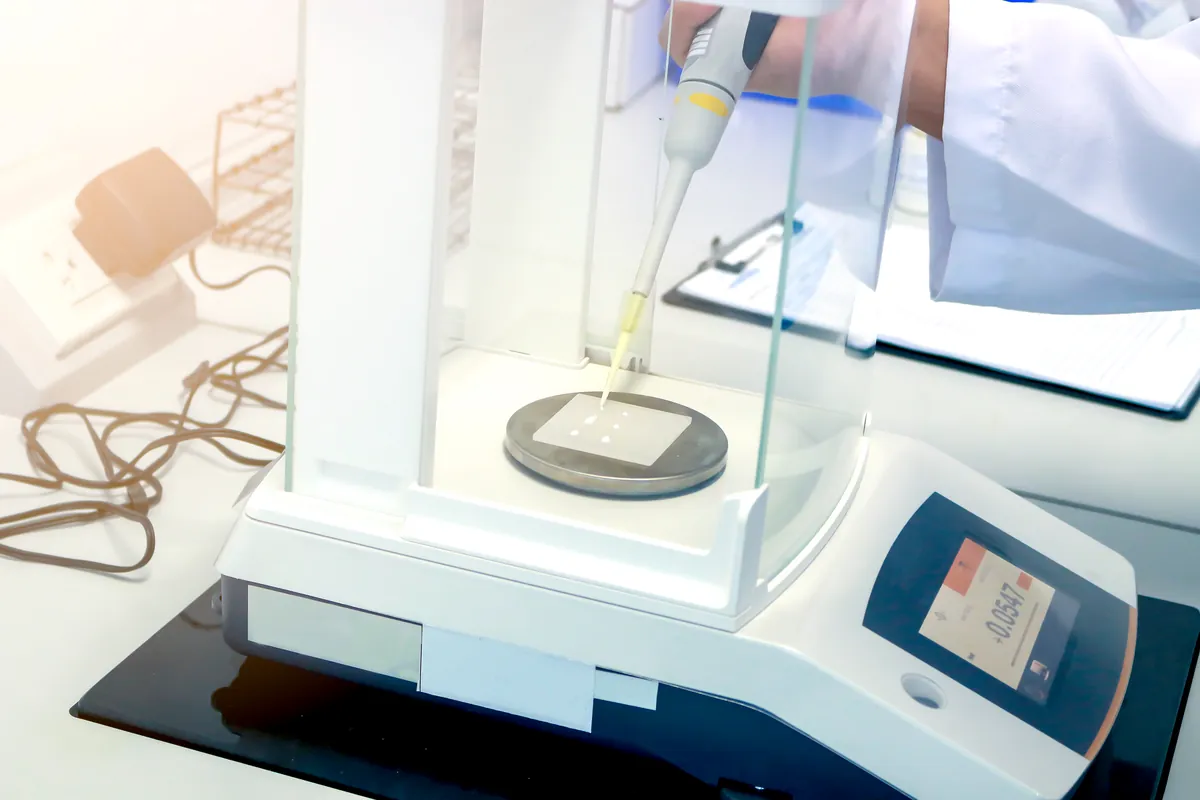 The double plate method applies sunscreen to acrylic plates using a robotic finger.
The tests used the in vitro method EN ISO 23675:2024, known as the double plate method. The product is applied to two types of acrylic sheets — one molded, one sandblasted — to achieve a texture similar to the skin. The amount of product and the way it is applied is done by a standardized robotic finger. The temperature and drying time are also controlled. A spectrophotometer then measures how much UV radiation passes through the film, and an algorithm combines the readings from both plate types to calculate the SPF.
In vitro testing is also not subject to restrictions on the availability of subjects or their skin conditions, such as skin texture, moisture content, and sensitivity.
Another advantage of lab-based SPF testing, outlined by the commission, is that the results are not affected by the presence of anti-inflammatory or soothing ingredients in some products.
In SPF tests on human subjects, their skin is exposed to low doses of UV radiation to cause erythema (redness). Certain anti-inflammatory or soothing ingredients can attenuate or delay this reaction, resulting in an artificially increased SPF.
The limitation of the lab method is that sunscreen sticks and powders cannot currently be tested. The commission recommends that standards organizations work toward extending the scope of non-invasive testing methods to these types of products, as well as to water resistance claims.
Sunscreen developments
In Europe, sunscreen products are considered cosmetic products under Regulation (EC) No. 1223/2009 on cosmetic products. This regulation requires Responsible Persons to ensure the safety of products placed on the European market.
This classification was recently contested by Irish Member of the European Parliament Billy Kelleher. Citing concerns about rising skin cancer rates across Europe, Kelleher formally asked the EC whether it would consider reclassifying sun protection products from cosmetics to pharmaceuticals, to qualify for tax relief under EU rules, and thereby advance access.
However, the commission officially ruled out reducing VAT (value-added tax) on sun creams. It confirmed that member states may only apply reduced VAT rates to pharmaceutical products used for medical purposes — a category excluding sun creams.
In September last year, the World Health Organization added sun protection products to its list of essential medicines, citing their preventive function against rising global cases of melanoma. At the time, there was industry speculation that the listing would bring forth regulatory ripple effects that would improve access to the notoriously expensive products.
In the US, sunscreens are classified as drugs, causing innovation to stall. Before last month, the FDA had not approved a new UV filter for over two decades. Now, the agency permitted its first new sunscreen active since 1999, bemotrizinol.
Increase in ethical testing
The EC’s conclusion on limiting human exposure to potentially harmful tests for SPF comes on the heels of the EU’s roadmap to phase out animal testing. 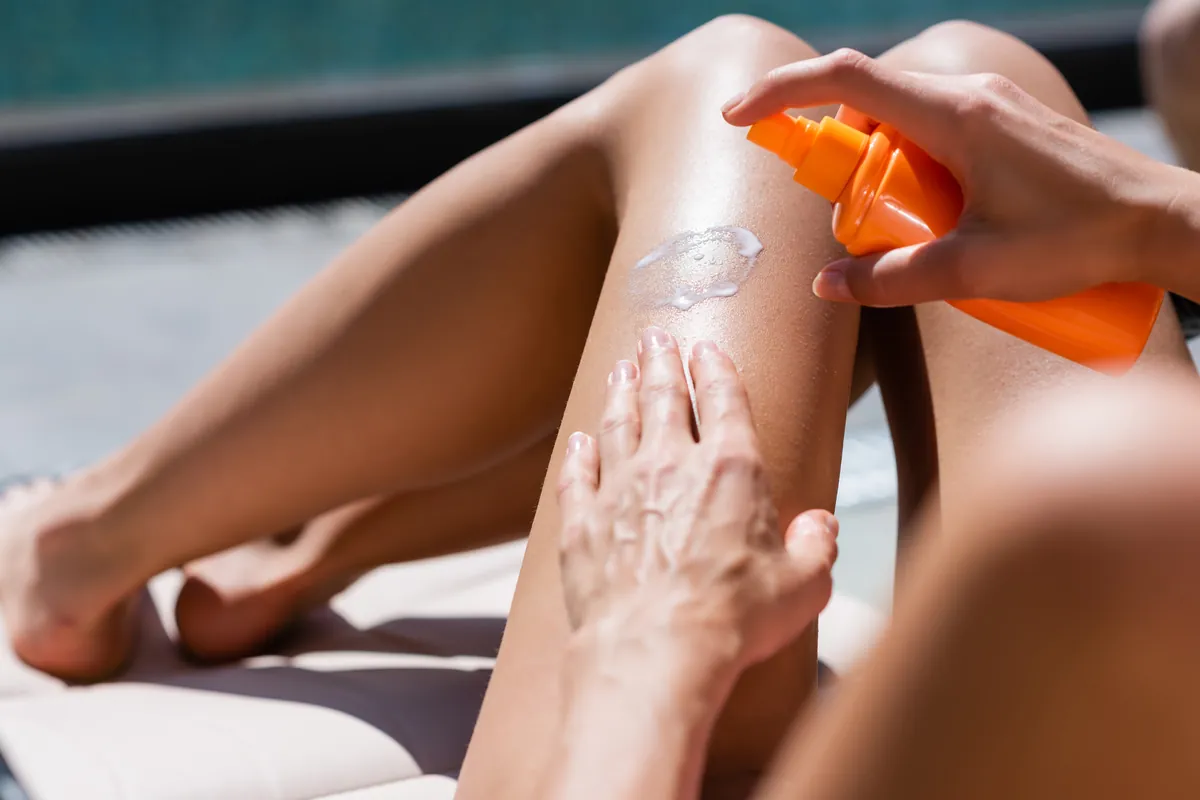 Market surveillance authorities in 11 EU countries selected products from shops and online.
Following similar principles, the roadmap aims to replace animal tests for chemicals used in cosmetics and other products with alternative methods, without sacrificing safety standards for consumers or the environment. The plan marked the EC’s first official commitment to replacing these testing methods with non-animal science.
Dr. Emma Grange, director of science and regulatory affairs at Cruelty Free International, told Personal Care Insights that the organization is “very encouraged” by the publication of the EC’s roadmap.
The beauty industry at large has been allotting more attention to more ethical beauty testing practices, wanting harm not to be inflicted on living subjects.
In recent years, the personal care industry has increased its innovations toward more effective and ethical safety testing, partially due to rising consumer demands.
As non-animal testing methods continue to advance, the beauty sector is being recognized for helping pave the way to the adoption of New Approach Methodologies. Regulators late last year cited the industry’s established use of alternative methods as a blueprint for other sectors.