


Cosmetics classification blocks EU tax cut for sunscreens

Key takeaways
- The European Commission has ruled out reduced VAT for sun creams, which would require a reclassification.
- Reclassifying sunscreens as medicines could improve access, but risk slowing product innovation.
- Following the WHO’s classification of sunscreen as essential care, accessibility still remains to be solved.

The European Commission (EC) has officially ruled out reducing VAT (value-added tax) on sun creams, following a push from Irish Member of the European Parliament (MEP) Billy Kelleher.
Citing concerns about rising skin cancer rates across Europe, Kelleher formally asked the EC whether it would consider reclassifying sun protection products from cosmetics to pharmaceuticals, to qualify for tax relief under EU rules, and thereby advance access.
“According to data from the European Cancer Information System, incidences and deaths associated with melanoma are on the rise in Europe. Skin cancer is now the fourth most prevalent cancer in the EU,” Kelleher stated in his priority question posed to the EC in late June.
“Against this backdrop, will the commission consider adding sun cream products to the list of supplies of goods and services to which the reduced VAT rates may be applied? Currently, sun cream is considered a cosmetic product and is therefore subject to a VAT rate of at least 15%.”
The EC’s answer, delivered a month later, confirmed that member states may only apply reduced VAT rates to pharmaceutical products used for medical purposes — a category excluding sun creams.
“The 2022 VAT rates reform was the result of a hard-fought political compromise. Considering the political sensitivity of the issue, the commission does not intend to propose new amendments in this area,” Wopke Hoekstra, on behalf of the EC, said in reply to Kelleher’s question.
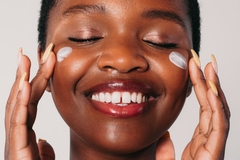
.webp) Calls for cheaper sunscreen are growing as consumers cite high prices as a barrier to daily use.Rocky road to access
Calls for cheaper sunscreen are growing as consumers cite high prices as a barrier to daily use.Rocky road to access
The discussions come at a time when the sun care category is drawing increased attention from the regulation, business, and consumer angles.
In September last year, the World Health Organization added sun protection products to its list of essential medicines, citing their preventive function against rising global cases of melanoma.
At the time, there was industry speculation that the listing would bring forth regulatory ripple effects that would improve access to the notoriously expensive products.
According to the British Beauty Council, 57% of UK consumers say that sunscreen is too expensive, and 29% say they would wear it daily if it were cheaper.
While reclassifying sunscreen as medicine could provide accessibility benefits, the move may present future bureaucratic roadblocks for SPF developments.
In the US, where sunscreens are classified as drugs, innovation has stalled due to the FDA not approving new UV filters for over two decades. The wait caused many industry formulators to turn to boosters as a loophole, which, while effective in formulations, brought forth consumer skepticism about the credibility and accuracy of sun care claims.
Last month, the US FDA permitted its first new sunscreen active since 1999, bemotrizinol. While better late than never, discussions around the US’s slow approach to UV protection highlighted a key difference between its and the European regulatory landscapes.
By classifying sunscreens as cosmetics rather than drugs, the EU has been able to introduce newer, more advanced UV filters more quickly, keeping its products more up to date than those available in the US market.
The regulatory advantage, however, may be of little practical benefit if cost continues to keep effective sun protection out of reach for many consumers. While reclassification for VAT relief may not be the answer, the question of how to make these products more affordable remains open.