

Bemotrizinol US FDA approval spurs sunscreen innovation

Key takeaways
- Bemotrizinol has received FDA approval, opening the US market to a new sunscreen UV filter after over 25 years of no new approvals.
- BEMT offers formulators broad-spectrum UVA/UVB protection, improved photostability, and more cosmetically elegant sunscreen textures.
- Ultra Violette becomes the first US brand to launch a BEMT-containing sunscreen, highlighting rapid innovation in sun care formulations.
Earlier this summer, sunscreen active ingredient bemotrizinol (BEMT) received US FDA approval, marking a major milestone for sunscreen innovation in the country. It became the first new sunscreen active approved in the US in over 25 years.
BEMT’s US approval was inaugurated alongside the green lighting of dsm-firmenich’s BEMT ingredient Parsol Shield. BASF followed soon after last month, with its own BEMT ingredient marketed as Tinosorb S. The ingredient has launched in the US under a supplemental license agreement with dsm-firmenich’s subsidiary, DSM Nutritional Products.
“The FDA approval of bemotrizinol marks a significant milestone for the US sun care market, as it gives formulators access to a highly effective broad-spectrum UV filter that has been used successfully in many regions globally for years,” Victor Low, marketing manager, sun and skin care at BASF, tells Personal Care Insights.
“Its introduction expands formulation options for US manufacturers by allowing greater flexibility in balancing protection, sensory attributes, and overall formulation design.”
Additionally, this week, Australian sun care brand Ultra Violette became the first brand in the US to launch a sunscreen containing BEMT.
BEMT was initially developed by Ciba Specialty Chemicals — now part of BASF — and was launched in the EU in 2000. The ingredient has been available in markets worldwide for decades, setting US formulators at a potential disadvantage for globally scalable sun care innovation.
“This approval marks a landmark step for sun protection in the US,” says Dr. Jochen Klock, director of global regulatory affairs, Beauty and Care at dsm-firmenich. “It closes a longstanding innovation gap in the US sunscreen market and reflects a modern scientific and regulatory standard that can help expand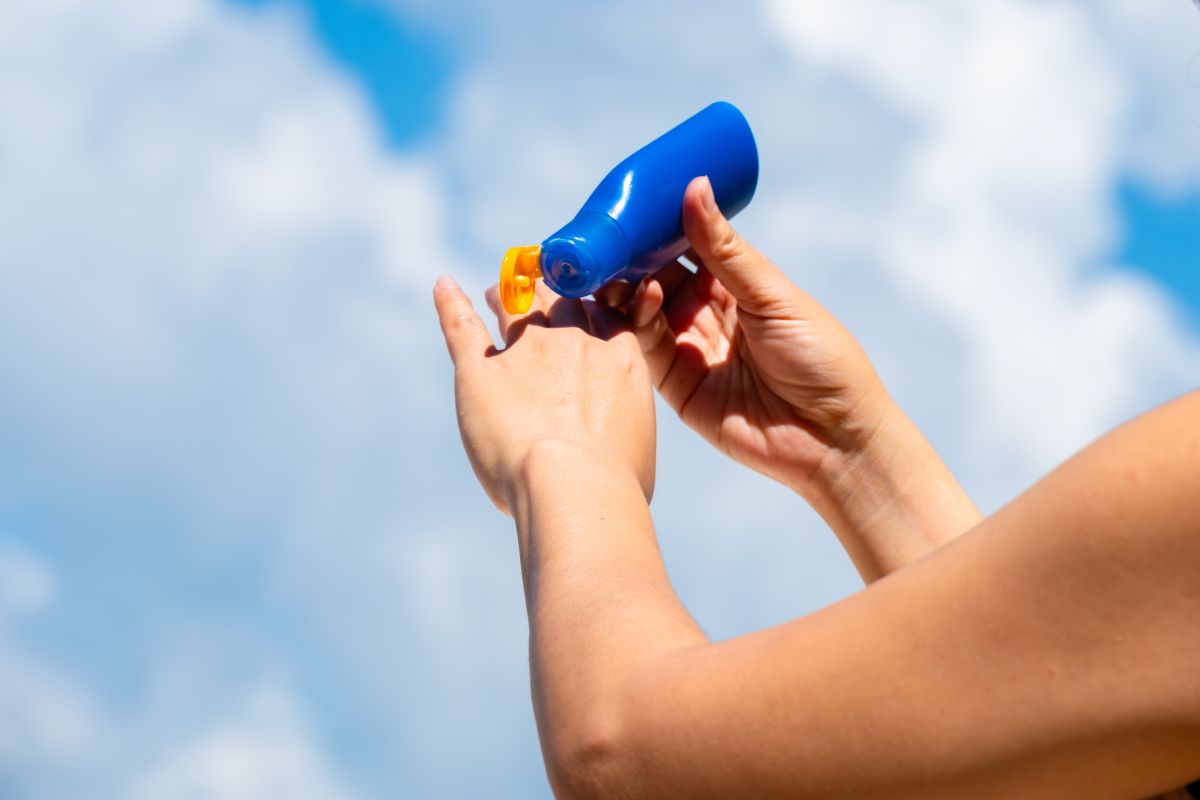 BEMT opens new opportunities for sunscreen innovation in the US market. access to advanced UV protection for American consumers.”
Sun care milestone
BEMT’s US FDA approval is a well-received development by the industry, as the UV filter touts a myriad of benefits.
Associate professor of dermatology at Yale School of Medicine, Dr. Christopher Bunick, tells Personal Care Insights that the ingredient’s FDA approval is especially important for sunscreens because it will allow simplification of the formulations.
He explains that BEMT will allow the replacement of multiple ingredients with one molecule, increase effective UVA and UVB protection, enhance photostability, and minimize bloodstream absorption because of its larger size. He says the lower bloodstream absorption “may make it safer than existing products.”
dsm-firmenich reports that clinical studies with Parsol Shield, involving nearly 500 participants, representative of the diversity of the US population, demonstrated “exceptional UV efficacy, excellent tolerability, and an excellent safety profile.”
BASF’s Low says: “Tinosorb S provides strong UVA and UVB protection, enabling formulators to achieve high levels of sun protection more efficiently while supporting the development of products that meet evolving consumer expectations for performance and aesthetics.”
Furthermore, BEMT is regarded for its photostability. Low tells us Tinosorb S combines broad-spectrum UV protection with BEMT’s photostability benefits. This helps maintain sunscreen performance during sun exposure.
“In the US, where options for strong UVA protection are limited, Tinosorb S supports sunscreen formulas in achieving a critical wavelength above 370 nm, when combined with … broad-spectrum protection.”
Bunick calls the ingredient’s FDA approval a “win-win all around,” stating that it also enables more cosmetically sophisticated formulations for improved feeling upon application and less of a white cast.
Sensoriality and appearance are recurring talking points in BEMT’s array of benefits through its skin feel, spreadability, and cosmetic elegance. Low tells us that because Tinosorb S is an oil-soluble crystalline filter, formulators select from an array of emollients to facilitate filter incorporation, support a homogeneous oil phase, and create lighter, more elegant sensory profiles.
Globalizing UV protection
BEMT enables advanced broad-spectrum UV protection and improved sunscreen aesthetics.
According to Bunick, sunscreen formulations in Europe and other international regions have generally been considered superior to many of the sunscreens in the US, with BEMT existing in these markets for years.
He tells us that BEMT’s FDA approval may give rise to US-based innovations, but the markets that have had the ingredient for over 20 years have an upper hand in the sun care race.
“While there can be new innovations that allow expansion of bemotrizinol-based sunscreens into other regions of the world, the reality is that other regions of the world have had that benefit already and are now expanding into the US because of the FDA approval.”
The industry is already seeing these expansions into the US, through launches like Ultra Violette’s SPF 50 sunscreen.
“This is such a win for the US consumer,” says Ava Matthews, co-founder of Ultra Violette. “It broadens the range of SPF formats available, allows for more elegant, cosmetically pleasing textures, and supports the kind of robust protection that matters for overall skin health, including skin cancers, skin aging, melasma, and pigmentation.”
“I am hopeful that BEMT’s categorization of GRASE (Generally Recognized As Safe and Effective) is also going to help shift the broader conversation around chemical sunscreens, which are so often unfairly stigmatized despite all their many benefits,” she adds.
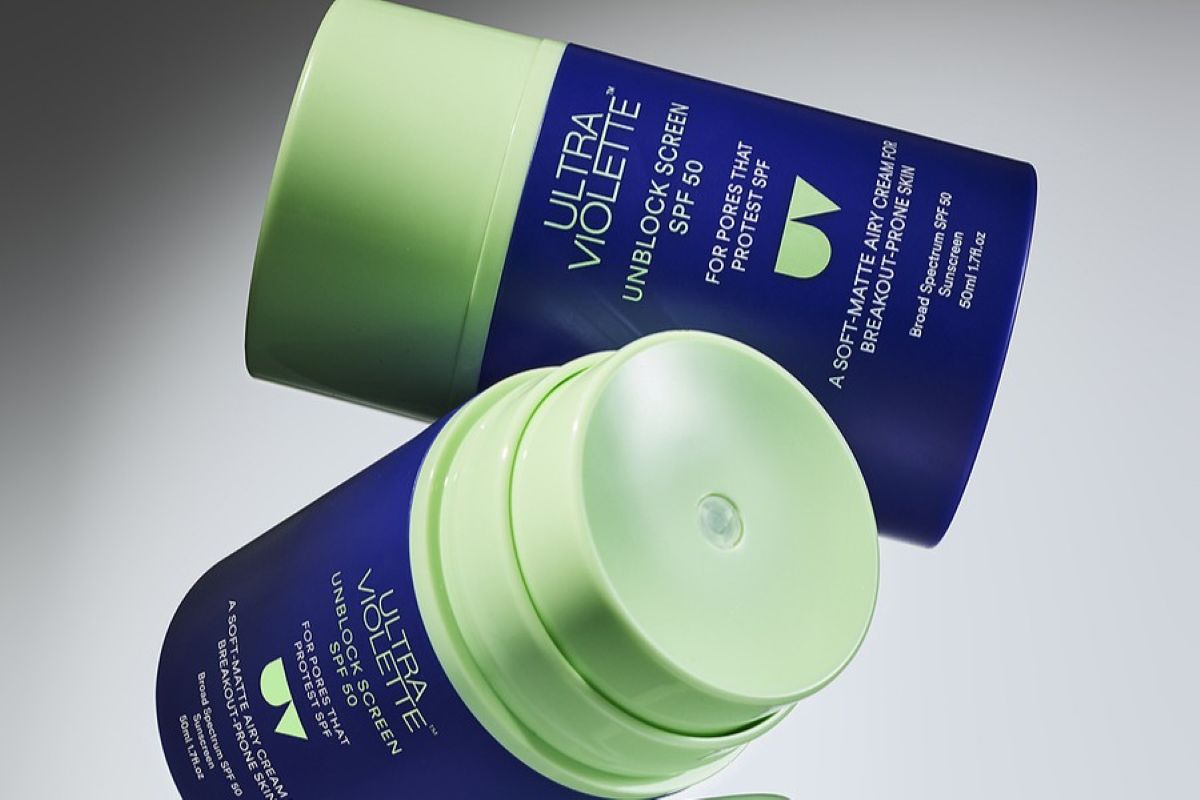 Ultra Violette launches the first US sunscreen containing BEMT.
Low echoes the hopeful sentiment of BEMT setting an FDA precedent: “This development has the potential to encourage further innovation and support the introduction of additional sunscreen technologies that can help address evolving consumer needs and public health objectives related to sun protection.”
BEMT’s US debutante
Part of the SkinScreen range, Ultra Violette’s Unblock Screen Breakout-Friendly sunscreen is designed for acne-prone, oily, and reactive skin types. The product is a soft-matte, zinc-bemotrizinol SPF 50 sunscreen that is said to deliver broad-spectrum protection without contributing to breakouts or congestion.
Unblock Screen’s non-comedogenic formula combines BEMT with BASF’s Bix’Activ, which helps to mitigate excess oil while blurring the appearance of pores. It also features dsm-firmenich’s Pentavitin, a plant-based extract that supports hydration for up to 72 hours.
Following Unblock Screen, Ultra Violette will debut Fave Screen SPF 50 powered by 5% bemotrizinol, niacinamide, and vitamins C and E in January 2027.
The launches are supported by Ultra Violette’s partnership with Sephora. Unblock Screen is now available on the Sephora and Ultra Violette websites, and is set to launch in Sephora stores from October 2.