
AI toothbrushes, free-from formulas and sweet flavors reshape oral care

Key takeaways
- AI-powered toothbrushes are bringing real-time imaging and personalized feedback into at-home oral care.
- Free-from and sensitivity-focused formulations are expanding across toothpaste and mouthwash launches.
- Gen Z demand is driving sweeter flavors, lifestyle-led packaging, and more digitally focused oral care products.
The once stagnant oral care industry is experiencing surging interest with tooth tech in the spotlight. The industry is also tapping “free-from” claims and flavors appealing to Gen Z as brands move into the thus-far under-utilized sparse market.
Dyson and Usmile have unveiled AI-assisted electric toothbrushes that use embedded cameras to tackle oral hygiene blind spots.
Meanwhile, Listerine released an alcohol- and peroxide-free whitening mouthwash, and Tom’s of Maine launched a fluoride-free toothpaste. The two launches highlight the growing demand for efficacious oral care that does not aggravate tooth sensitivity.
In the flavor category, UK-based breath freshener brand Stay Cool launched its microplastic and alcohol-free mouth sprays in the US, targeting Gen Z engagement. And teeth whitening brand Opalescence introduced Pumpkin Spice and Birthday Cake to its flavor repertoire.
Brands creating AI-powered toothbrushes are promising the new tech will revolutionize the field. Meanwhile, anti-sensitivity demands are leading to less abrasive ingredient lists. The industry is also appealing to consumers' increased interest in sweet flavors with new oral care products wrapped in Gen Z-oriented packaging.
AI-powered toothbrushes are bringing greater visibility to daily oral care.
Dyson’s AI-powered CameraJet
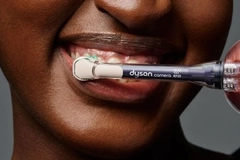
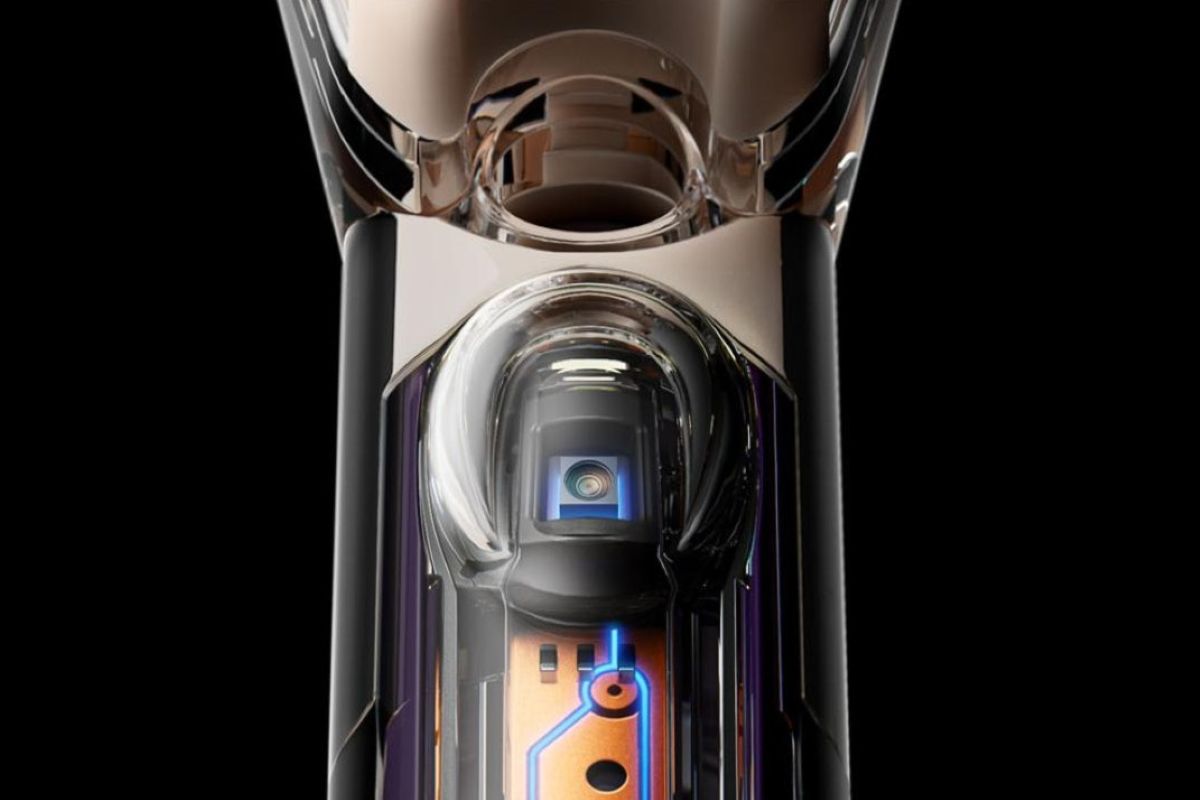
Dyson recently launched CameraJet, “the only toothbrush with a camera and a jet.” The privately held household appliance manufacturer released CameraJet to identify gaps between teeth and precision-floss while brushing.
The toothbrush features a camera powered by Gap Optical Targeting, Dyson’s AI machine learning algorithm. The targeting system scans 28 live images per second to identify, track, and predict gaps between teeth in real time.
Its variable sonic oscillation is engineered to keep bristles moving, and its conical jet is designed to remove more plaque while being gentler on gums and enamel. The toothbrush also features an “anti-gravity tank” that adapts during use to deliver controlled jets in any direction.
The CameraJet can connect to Wi-Fi and Bluetooth with its integrated camera functioning as an endoscope, allowing users to see their teeth in real time through the MyDyson app.
The device was developed over the course of six years to challenge conventional oral care, according to the company.
“Dyson engineers and scientists have spent well over a decade understanding oral care regimes and how nasties build up in the mouth... By combining a camera, machine learning, precision fluid dynamics, advanced brushing technologies, connectivity, and WiFi, Dyson CameraJet introduces an entirely new way to keep your mouth healthy ,” says James Dyson, founder and chief engineer.
Dyson’s CameraJet came under scrutiny when the US$499 toothbrush experienced water seepage due to a faulty batch of jet tubes.
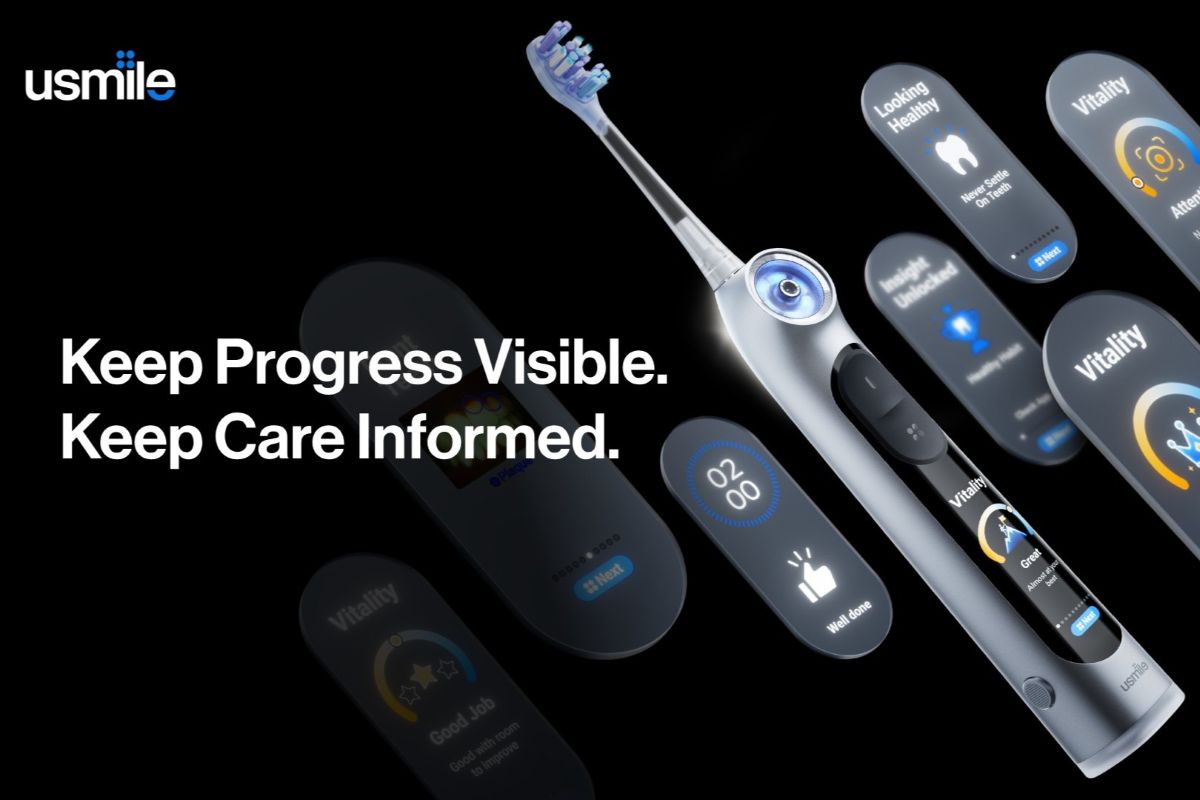
Oral care brands are using technology to make brushing more targeted and personalized.
“We took what we believe to be the right decision to isolate impacted products, which resulted in a temporary out-of-stock position. We are sorry that we have let down our loyal customers, and we will do all we can to support them,” said the company about the malfunctions.
Usmile’s visual feedback in oral care
A day after Dyson released CameraJet, Usmile also launched D50 OralCam Toothbrush, an electric toothbrush that leverages AI and oral camera technologies as part of its D Series oral care system.
The system focuses on OralCam imaging and AI-powered brushing suggestions. The care system features plaque visualization, targeted cleaning, and long-term hygiene tracking. Usmile positions the technology as a shift in the oral care category from “blind brushing and motion-based tracking to visible, actionable daily care.”
The D Series system taps camera-enabled toothbrushing by integrating the visual feedback into the toothbrush experience. D-lite OralCam is said to support a fuller visual review across the mouth, including inner surfaces, back teeth, and areas that are difficult to inspect in a mirror.
“With D50 and D-lite, Usmile is building a new visual care system — one that brings prevention into the home, makes daily care more actionable, and creates a clearer bridge between consumers and dental professionals,” says Jason Zhang, product director at Usmile.
The company highlights the challenges of imaging the mouth due to it being “wet, reflective, narrow, and constantly moving.”
Usmile is touted to address these challenges through optical engineering, guided image capture, tooth-level recognition, motion sensing, hardware sealing, and consumer-friendly software design.
The two launches reflect a rapid convergence of the oral care and tech spaces as consumers increasingly demand more from their oral care apparatuses.
The two comparable launches in the same week may reflect that industry players may be moving into the burgeoning oral care market, leading to tight competition.
However, in a segment as novel as AI-induced tooth tech, issues such as Dyson's water seepage incident may create roadblocks to consumer trust.
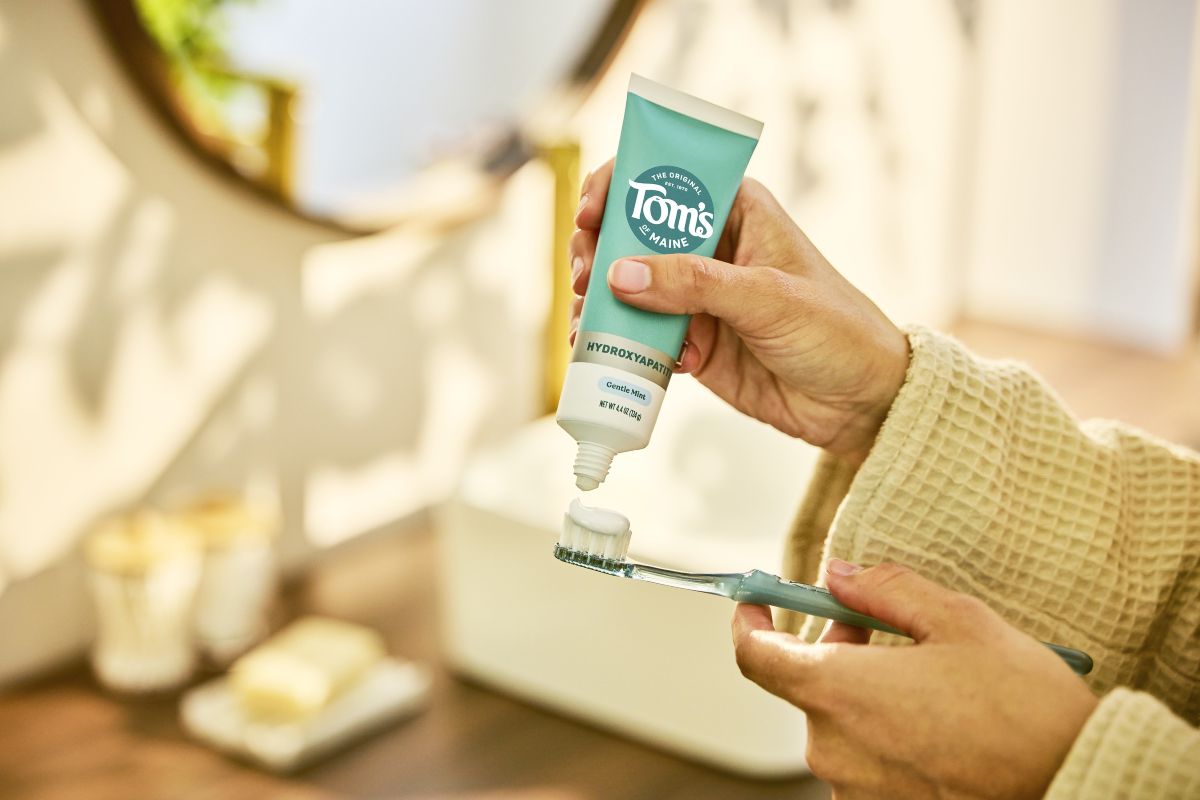
Sensitivity concerns are shaping free-from oral care products.
Free-from formulations
While some tech brands compete to grab space in oral care, others are translating clean beauty demands to oral care.
Kenvue owned Listerine recently launched its alcohol-free and peroxide-free whitening mouthwash to deliver fresh breath and effective whitening in a formula that strengthens teeth without sensitivity-causing ingredients.
The product aims to meet growing demand for sensitive teeth and free-from claims, adjacent to the growing clean beauty trend across the beauty industry.
The company underlines the importance of consumer awareness and habit building in encouraging adequate oral care adoption and states that a three-step oral care routine that integrates brushing and flossing with rinsing is integral to oral disease prevention.
Listerine highlights that oral disease case numbers have increased by over 3% in the span of four years, rising to 3.73 billion cases globally. The figure represents progress that is presently too slow to meet the World Health Organization’s 2030 universal access to oral health target.
“Oral health doesn’t exist in isolation: it’s an essential part of overall health and wellbeing. These alarming figures underline a health challenge whose consequences extend far beyond the mouth,” says JoAnn Gurenlian, director of education, research, & advocacy for the American Dental Hygienists’ Association.
Similarly, US-based natural personal care product manufacturer Tom’s of Maine’s fluoride-free, anti-sensitivity toothpaste aims to address sensitivity relief with naturally derived minerals and amino acids. The company states that it is meeting the growing demand for fluoride-free oral care alternatives with the product.
The product is formulated with naturally derived arginine and calcium carbonate to reduce hypersensitivity while whitening teeth by removing surface stains. It also features hydroxyapatite, the primary mineral that makes up tooth enamel.
The company emphasizes its clean oral care position with the fluoride-free, SLS-free formula, which is also vegan, gluten-free, and made without artificial flavors, sweeteners, dyes, or potassium nitrate.
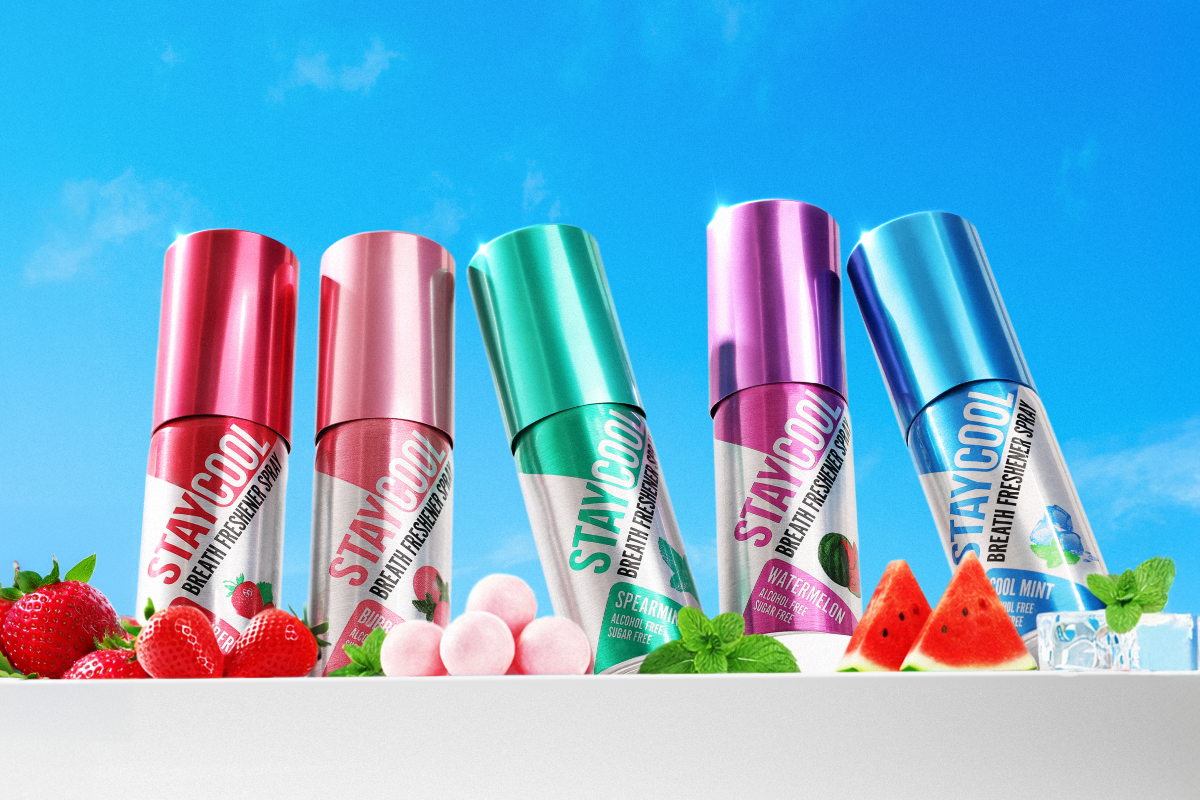
Gen Z is influencing oral care through flavor, design, and social commerce.
Sweet tooth care
On the commercial appeal side of the oral care boom sits the growing demand for dessert-adjacent care products. The UK’s Stay Cool launched its breath-freshening catalog in the US, bringing the aesthetic and flavor appeal to the US Gen Z audience.
The brand offers five distinct flavors, Cool Mint, Strawberry, Watermelon, Bubblemint, and Spearmint, and is executing a distribution strategy with a focus on TikTok, social commerce, Amazon, and direct-to-consumer sales.
The brand positions itself as having greater appeal with the digitally native younger generation as it distances itself from “the clinical appearance of traditional oral care products.” Stay Cool uses metallic, lifestyle-oriented packaging.
Each 12ml recyclable aluminum container includes a matching aluminum cap, designed to deliver over 100 sprays. The product is designed to provide a mild, refreshing taste without harsh or medicinal notes.
“Breathspray has seen minimal innovation in recent years,” says Michael Dodo, founder and CEO of The Dodo Group. “Younger consumers look for functional products that align with their personal aesthetic. We saw an opportunity to modernize a category that has historically felt purely clinical.”
In a similar move, Opalescence whitening has introduced two limited edition flavors, Pumpkin Spice and Birthday Cake, to its Opalescence whitening gel syringe refill offerings. The former aims to appeal to seasonal beauty demands, with both catering to a demand for versatility in tooth whitening routines, according to Dr. Suhail Mohiuddin, a practicing dentist, Opalescence brand ambassador, and teeth whitening expert.
Both flavors are available in a fast-acting 35% carbamide peroxide concentration.