




Rajani MD launches laser and LED cap as men prioritize hair loss prevention

Key takeaways
- Rajani MD has debuted a cordless cap that combines 300 lasers and 200 LEDs for at-home hair growth.
- The company says appropriate dosing matters more than adding power or extending sessions.
- Men are tackling hair loss earlier, and interest in drug-free options is growing, according to the brand.
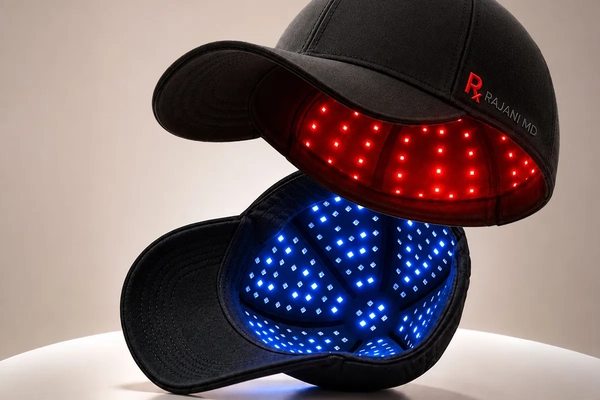
Rajani MD has released a hat for hair regeneration using laser and LED light therapy. The at-home hair care device is a cordless system that combines focused laser light with broader LED illumination to support a multi-technology approach to hair growth and scalp care.
PlasmaGLO Hair+ Cap is designed for men looking to take a more proactive approach to hair health. The launch reflects consumers’ growing interest in noninvasive hair-growth technologies.
The cap has 300 red laser diodes that emit 680 nm light and 200 red LEDs that operate at 625 nm and 655 nm. A separate 422 nm blue LED mode adds another option for overall scalp wellness, bringing four wavelengths into one device. It is priced at US$999.
The technologies are designed to support hair growth and fullness for people experiencing thinning hair, reduced hair density, and a receding hairline. The cap was made to provide broad scalp coverage, including the hairline, temples, and crown.
The PlasmaGLO Hair+ Cap was manufactured to fit “seamlessly” into an at-home routine. It features a cordless, rechargeable design, automated 12-minute sessions, and automatic shutoff.
The device is FDA 510(k) cleared for treating androgenetic alopecia in men and women. Low-level light therapy is an option for certain types of hair loss, including androgenetic alopecia. Rajani MD discloses that results vary depending on the individual and the cause of hair loss.
Personal Care Insights sits down with Rajani MD to discuss how men’s hair care is shifting from camouflage to prevention, and the growing demand for drug-free hair loss options. The physician-founded beauty and wellness brand also dives into where personalization and combination therapies could take the category next.
What inspired the creation of this device?
Rajani MD spokesperson: After more than 25 years treating patients with everything from scalp injections and growth factors to advanced regenerative approaches, I’ve seen firsthand how deeply hair loss affects confidence. What really pushed me to develop Hair+ was listening to our customers. We had already incorporated 630 nm red LEDs into our PlasmaGlo Halo to address the hairline. People loved having that option, but they wanted more — greater coverage of the crown and part area, lasers in addition to LEDs, and a dedicated system for more significant hair thinning.
I saw an opportunity to bring established photobiomodulation (low-level light therapy) technology into a convenient, drug-free home treatment. Hair loss doesn’t wait, and neither should we. I wanted something people could use consistently, because consistency is one of the most important factors in hair restoration.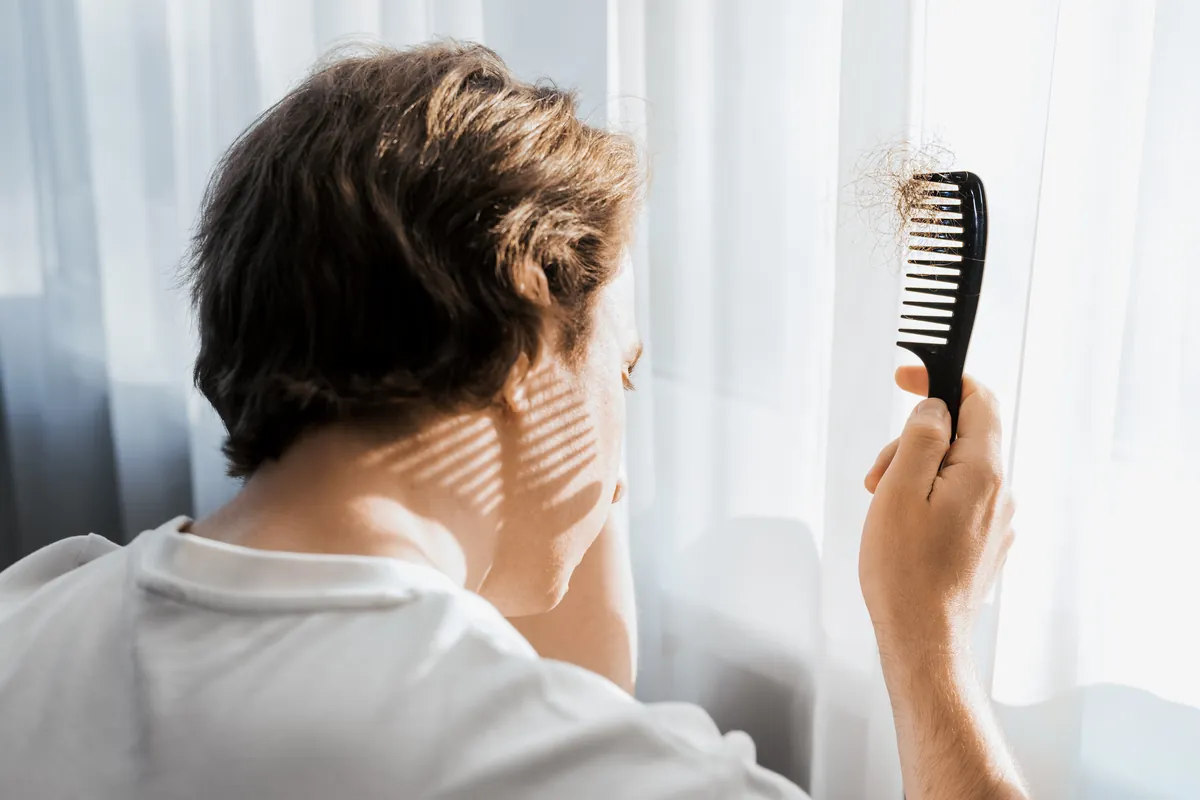 The cap delivers 12-minute treatments every other day.
What technical advances make the Hair+ Cap a step forward for hair loss innovation?
Rajani MD spokesperson: The Hair+ Cap combines 300 lasers with 200 LEDs — 500 light sources working together in one wearable system. We selected three red wavelengths — 625, 655 and 680 nanometers — to create our Triple Red Technology. The goal was to combine focused laser light with broader LED illumination for comprehensive scalp coverage, including the hairline, crown, and part area.
We also incorporated a separate 422 nm blue-light mode for additional scalp-care flexibility. There is some nice data on blue light for hair, and more studies will be coming. We want our clients to be among the first to benefit from emerging technologies that have the potential to deliver even better results as science evolves.
But one of the most important innovations is convenience. The system delivers an automatic 12-minute treatment every other day. We designed it around the science of photobiomodulation, where appropriate dosing matters more than simply adding power or extending treatment time. It’s a specialized hair-growth device designed to make consistent treatment remarkably simple.
What does the shift toward device-based, drug-free solutions signal about how men want to approach hair loss?
Rajani MD spokesperson: People want more control over their hair health, and they want options that fit their lifestyles. I’m certainly not against medications such as minoxidil or finasteride. They have important roles in hair restoration, and combination treatments can be very effective.
But many people want to explore a drug-free option, either as their initial approach or as an addition to treatments they’re already using. That’s what makes light therapy so exciting. It’s non-invasive, convenient, and supported by clinical research for certain types of hair loss. Hair+ makes it possible to incorporate that technology into everyday life without appointments, injections, or daily medication as a requirement for using the device.
How is the men’s hair care market changing?
Rajani MD spokesperson: Men are moving beyond simply hiding hair loss. They’re becoming much more proactive about preserving the hair they have. I see hair care following the same evolution as skin care. People no longer wait until their skin is significantly damaged to start protecting it. Hair should be no different. The opportunity is to intervene early, rather than waiting until thinning becomes advanced.
For years, men’s hair care was largely about shampoos, styling products, and camouflage. Today, people are asking about follicle biology, scalp health, hormones, and clinically studied treatments. And they’re asking earlier. That’s important because treatments that stimulate existing follicles have a better opportunity to help while those follicles remain active.
The best time to address hair loss is often much earlier than you think. We spend decades caring for our skin, yet many people wait until they’ve lost significant hair before taking action. 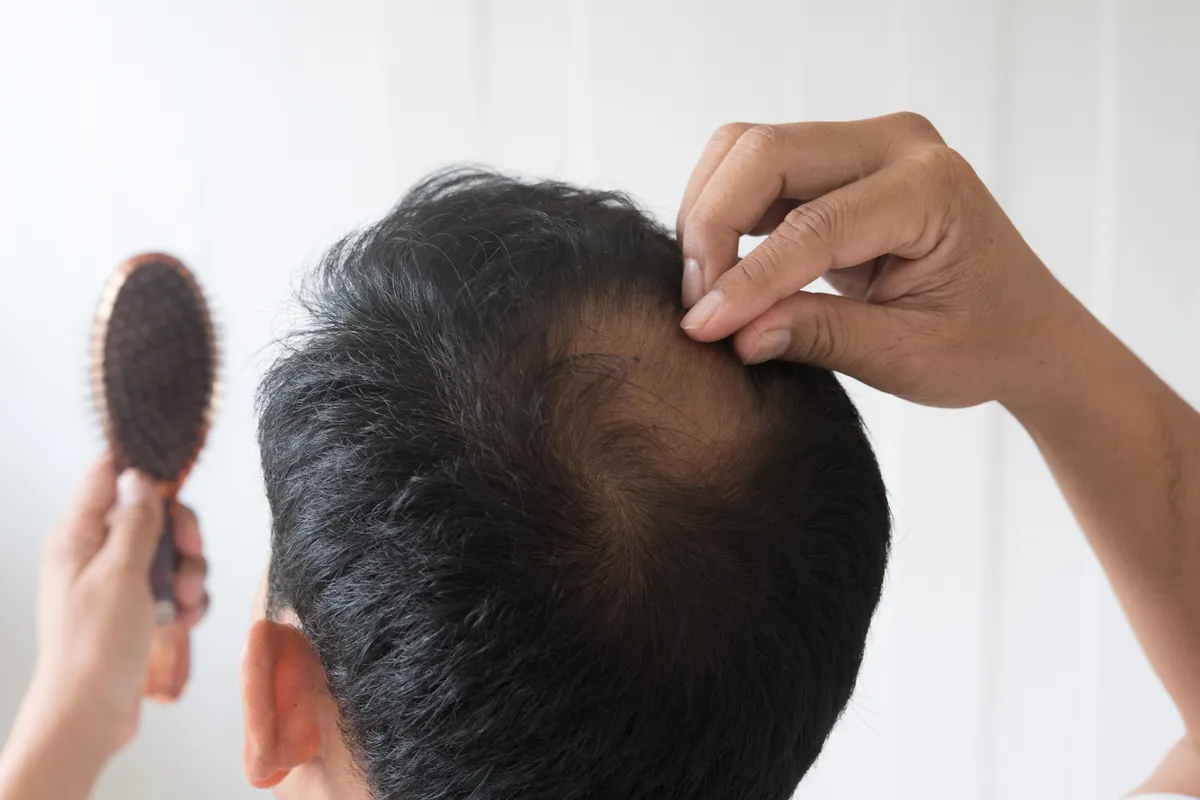 Men are addressing hair loss earlier, says Rajani MD.
What we’ve learned from our patients and our customers is that people are increasingly interested in taking control of their hair health before the problem becomes advanced. That’s why I developed PlasmaGLO Hair+. It brings together lasers, LEDs, carefully selected wavelengths, and comprehensive scalp coverage in a convenient, drug-free system.
How is the line between beauty tech and medical treatment evolving?
Rajani MD spokesperson: Consumers are becoming much more sophisticated. They don’t just want a device that looks impressive. They want to understand the science behind it. That’s where physician-developed technology has an important role.
Hair growth is a biological process. It involves the follicle, the hair cycle, cellular signaling, and many other factors. Simply putting red lights into a cap doesn’t automatically make it an effective hair-growth treatment. Wavelengths, dosing, treatment schedules, coverage, and clinical evidence all matter. FDA clearance also matters, but consumers should understand exactly what a device is cleared to do.
My philosophy is simple: advanced technology should be backed by science, and the claims should reflect the evidence. We should be helping people make informed decisions, not selling unrealistic promises.
What will it take for at-home light therapy to go mainstream?
Rajani MD spokesperson: Three things: credible science, convenience, and realistic expectations. First, people need confidence that the technology is appropriate for its intended purpose and supported by meaningful research.
Second, it has to be easy. If a device is uncomfortable, complicated, or takes too much time, people simply won’t use it consistently. That’s one reason we developed Hair+ around just 12 minutes every other day. No complicated routine, no clinic appointments, just a straightforward treatment people can incorporate into their lives.
Third, people need to understand that hair growth takes time. Many studies assess results around 16 weeks, but visible improvements can continue over 6–12 months, and ongoing maintenance is important.
Just like skin care, exercise, and eating well, healthy hair requires consistency. My goal was to remove as many barriers to that consistency as possible.
Where are the biggest opportunities for men’s hair loss innovation over the next five years?
Rajani MD spokesperson: I believe the future of hair restoration will be about smarter treatments, not simply stronger treatments. One of the biggest misconceptions in light therapy is that more power, more lights, or longer sessions must produce better results. Photobiomodulation has a dose-response relationship, and appropriate energy delivery is critical.
I also see tremendous opportunities in personalization. Not everyone loses hair in the same pattern or for the same reasons. Better assessment of hair density, diameter, and progression could help guide more individualized treatment plans.
Finally, I believe combination therapies will continue to evolve. Light therapy, medications, and other evidence-based interventions may complement one another. The next generation of hair restoration won’t depend on one miracle treatment. It will be about combining the right technologies and approaches for the right person.