




Skinification spreads to scalp and body as consumers demand proof and prevention

Key takeaways
- Beauty consumers are seeking the same scientific credibility and lasting benefits from scalp treatments, body care, and makeup as from facial skin care.
- Multifunctional ingredients and targeted delivery systems can help formulators combine efficacy with lightweight textures.
- “Skinification” is shifting toward long-term skin health, requiring brands to support their claims with credible scientific evidence.
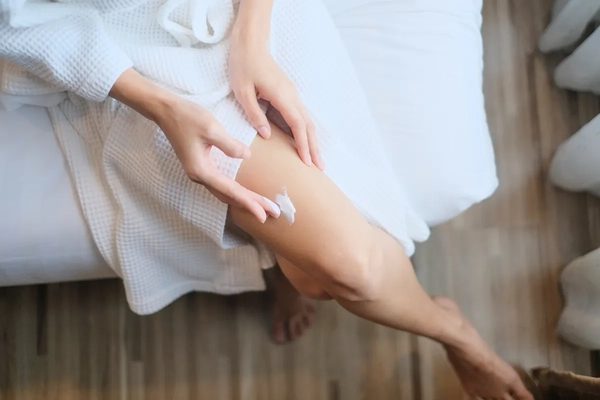
Consumers are bringing skin care expectations to the rest of their beauty routines. From scalp treatments to body care and makeup, ingredient suppliers and brands need to deliver credibly-backed benefits consumers can see and feel. This is causing them to turn to all-over personal care solutions that are rooted in skin care principles, called “skinification.”
Industry experts say that the next phase of “skinification” is putting body care, scalp health, and sensory appeal in the spotlight. Beauty companies are responding with multifunctional ingredients and targeted delivery systems designed to support long-term skin health while maintaining lightweight, appealing textures.
Personal Care Insights speaks to experts from Barentz, dsm-firmenich, Zemea, and Zenagen who shed light on how skinification is shaping formulation and what its next chapter will be. They highlight growing interest in barrier support and preventive care, alongside the need for evidence that ingredients perform in their intended applications.
“Skin care approaches and active ingredients have a strong legacy of science-based claims and biological activity. Other categories are leveraging these credentials to bring the same level of scientific credibility to their products,” Joatan Sousa, global marketing associate director, Concepts and Solutions at dsm-firmenich, tells us.
Looking beyond the face
Jared Reynolds, a molecular biologist and founder of ACTIIV Hair Science and Zenagen, says that historically, categories like deodorant, body care, and color cosmetics were developed primarily around surface-level performance. Now, consumers expect more from their products.
“They want ingredients with a defined biological purpose, measurable efficacy, and formulations that support long-term skin health without compromising immediate results,” he says.
Skinification is expanding because consumers are beginning to understand that skin health isn’t isolated to the face, according to Reynolds.
“The same biological processes involving barrier integrity, inflammatory signaling, microbial balance, and cellular function are happening across the body, including the scalp. Consumers are becoming more interested in how products interact with those systems rather than simply the immediate cosmetic result.”
Similarly, Karine Bonnet, technical marketing director EMEA for Personal & Home Care at Barentz, says consumers no longer differentiate between skin on the face, scalp, or body.
“They increasingly expect the same level of efficacy, scientific credibility, and ingredient transparency across all personal care categories. Today’s consumers are looking for visible, long-lasting results beyond basic functionality, whether that’s for the body, underarm, or scalp,” she adds.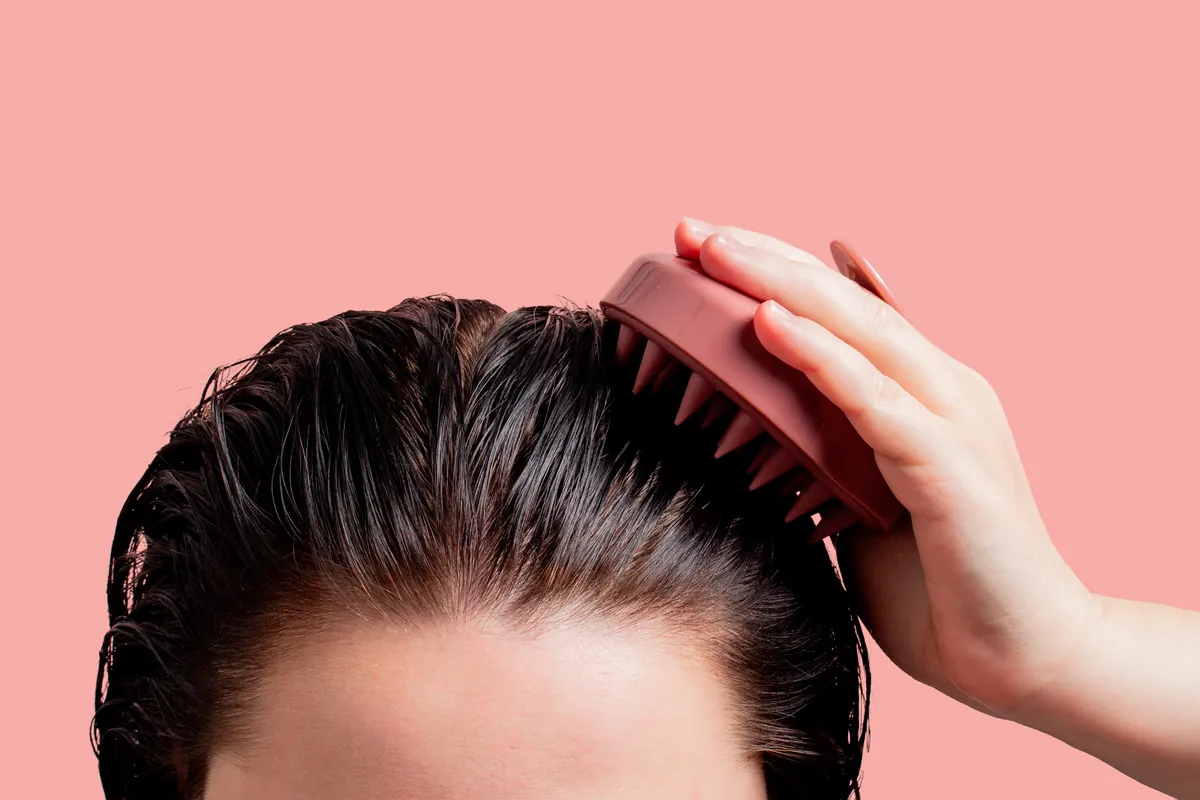 Scalp care is evolving from a niche segment into a more sophisticated category.
Bonnet believes that growing ingredient awareness, social media education, and wellness-driven routines are encouraging consumers to seek face-grade actives and targeted solutions throughout their beauty routines.
Healthy beauty boosts skinification
Skinification is also being driven by the desire for healthy habits.
The beauty industry is heading away from corrective beauty and toward preventive beauty. Rather than waiting to address visible concerns, they are actively seeking products that help maintain skin health over time and support resilience against environmental and lifestyle stressors.
dsm-firmenich’s Sousa believes that this trend is closely connected to broader wellness movements, where consumers view beauty as part of an overall health strategy. “Concepts such as barrier protection, healthy aging, stress resilience, microbiome support, and longevity are becoming more relevant across personal care categories. In many ways, skinification is evolving from a focus on appearance into a focus on maintaining biological health and functionality.”
“Consumers are adopting a more holistic approach to beauty. They expect products not only to improve appearance but also to support long-term skin and hair health at every step of their routine,” says Sousa.
Marjorie Morris, global marketing director at ingredient brand Zemea, a Primient ingredient brand, agrees that skinification is “fundamentally driven by the convergence of beauty, wellness, and ingredient transparency.”
With the increasing sophistication of skin care solutions, the benchmark for personal care products has shifted. Consumers increasingly seek hydration, barrier support, skin comfort, and long-term skin health benefits across every step of their routine.
Morris says these demands are pushing brands to incorporate skin care-inspired formulation approaches and multifunctional ingredients that deliver both performance and an elevated user experience.
Beyond hero ingredients
For Melanie Waeckel, senior marketing manager Hair Care at dsm-firmenich, the first wave of skinification products brought well-established skin care ingredients into new categories, such as hyaluronic acid and vitamin C. However, she predicts that the next phase of skinification is “moving beyond simply adding well-known ingredients.”
Waeckel flags that differentiation requires more than transferring familiar skin care ingredients into, for instance, a shampoo or scalp serum. She states that the category is seeing a greater focus on biological mechanisms and targeted performance for specific skin, body, or hair needs.
“Brands need a distinct scientific story, strong validation, and benefits consumers can see or feel. One effective approach is to formulate with multifunctional ingredients that deliver multiple benefits through a single technology platform, simplifying formulations while strengthening consumer-relevant claims,” says Waeckel. 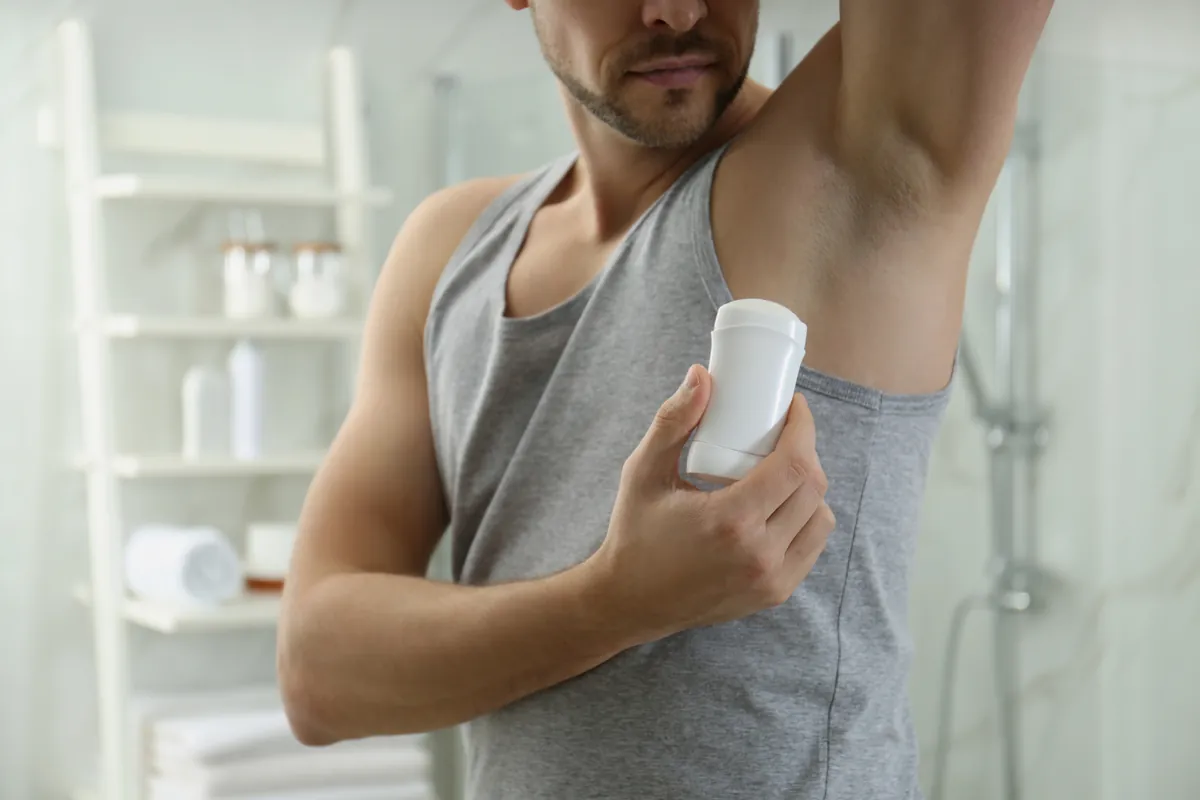 Beauty consumers are now looking for more targeted solutions and greater proof of efficacy.
Morris at Zemea agrees that skinification trends are moving beyond simply adding familiar skin care ingredients to new formats. “We’re seeing greater emphasis on barrier-supportive formulations, microbiome-conscious development, preventative care, and multifunctional ingredient systems that contribute to both performance and sensory experience.”
Skinification’s sensory appeal
As consumers become more ingredient-conscious, the experts see increasing demand for products that combine proven efficacy with an enjoyable user experience. Beauty buyers are paying closer attention to ingredient lists and scientific claims, but they are equally unwilling to compromise on texture, application, and overall sensory appeal.
Beyond the application of skin care principles into adjacent personal care categories, Julie Cherar, marketing and communication manager EMEA Personal and Home Care at Barentz, highlights sensoriality as influencing the coming phase of skinification.
She says that formulations must remain elegant, lightweight, and easy to integrate into daily routines. “This is particularly important as skinification expands into more categories where consumers increasingly expect the same level of efficacy and sophistication they associate with facial skin care.”
Cherar also outlines growing interest in formulations that support skin barrier function, hydration, and overall skin wellness.
Formulators are increasingly focused on combining efficacy, sensoriality, and long-term skin health benefits within a single product experience, contributing to the rise of multifunctional ingredients.
Multifunctionality and targeted delivery
Similar to Cherar, Morris at Zemea observes that consumers are demanding “elegant textures and seamless product experiences.” As a result, formulators are seeking technologies that improve active ingredient incorporation while maintaining light, non-sticky sensoriality.
This is where multifunctional ingredients become particularly valuable. By supporting moisturization, formulation flexibility, and sensory enhancement simultaneously, brands deliver sophisticated products without unnecessary formulation complexity, Morris explains.
For Zenagen’s Reynolds, the next phase of innovation will be defined less by individual trending ingredients and more by how intelligently those ingredients are formulated and delivered.
“We’re seeing growing interest in peptides, antioxidants, ceramides, microbiome-supporting ingredients, and targeted botanical compounds, but the real innovation is happening at the molecular level,” he says.
According to Reynolds, one of the most important developments is in delivery technology. Liposomal encapsulation, controlled-release systems, and other advanced delivery mechanisms can help improve ingredient stability, bioavailability, and targeted delivery when appropriately engineered.
“An ingredient can have impressive biological activity in isolation, but if it isn’t stable, available at the intended site of action, or compatible with the overall formulation, its potential benefits may never translate into meaningful results,” he explains.
He also tells us that the emphasis on supporting barrier integrity, managing oxidative stress, and maintaining a balanced inflammatory response rather than simply treating visible symptoms is growing. 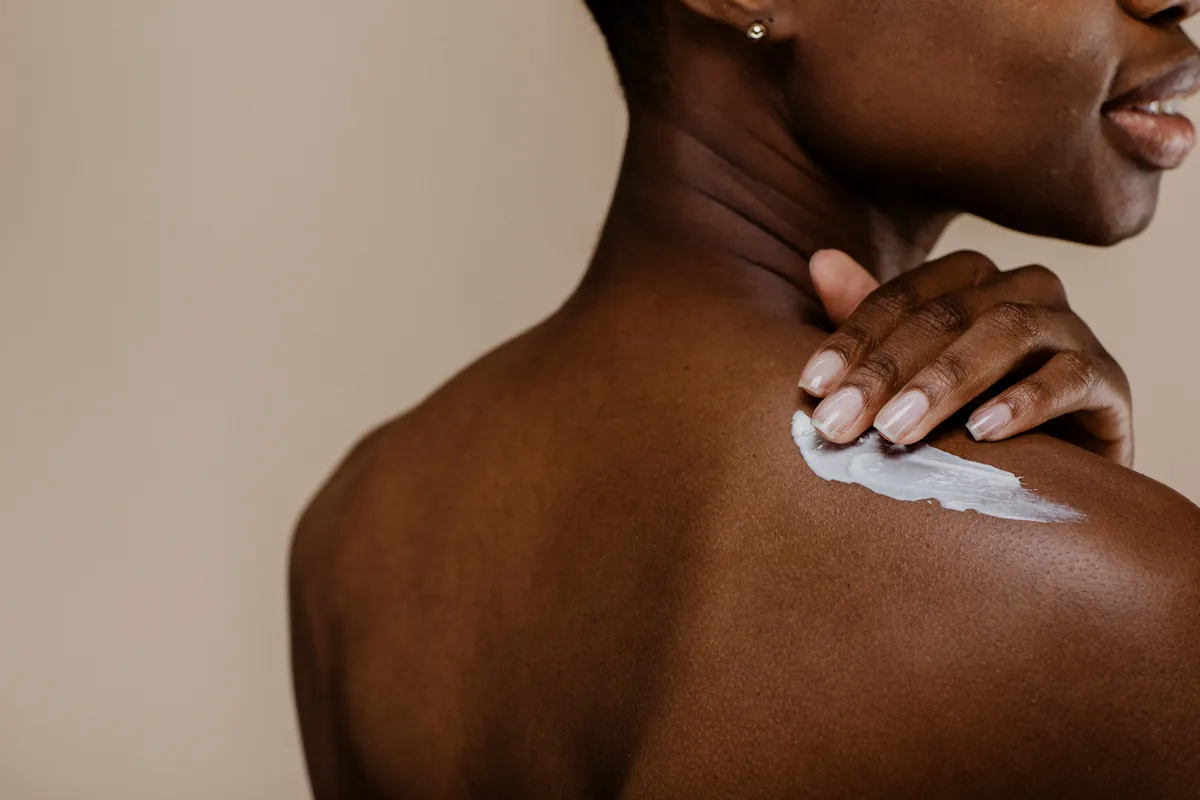 Consumers are unwilling to compromise on texture and overall sensory appeal.
“This is particularly relevant as skin care principles expand into categories with different physiological environments, including the scalp and underarms.”
Skinification opportunities
dsm-firmenich’s Sousa says that looking ahead, “almost all beauty categories offer opportunities for further skinification.”
“Beyond hair, scalp, body, and sun care, we see growing potential in areas such as functional fragrances and oral care, where consumers are increasingly looking for treatment-inspired benefits and scientifically backed solutions.”
He says that to bring these concepts successfully to market, formulators must overcome three main challenges: access to technologies and evidence in specific applications, adaptation of those technologies to different formulation chassis, and cost optimization.
“The winning innovations will be those that successfully balance efficacy, technical feasibility, and affordability while delivering benefits that consumers can clearly understand and experience.”
Morris at Zemea agrees that body care, deodorants, sun care, intimate care, and color cosmetics all represent significant opportunities for further skinification.
“Future innovation will likely come from multifunctional formulation approaches that allow brands to combine efficacy, sensory excellence, and sustainability. Ingredients that can address multiple formulation objectives simultaneously will become increasingly valuable as skinification continues to evolve,” she concludes.