


Necklace turns real-time UV exposure into personalized sun care guidance


Key takeaways
- The90 launched Gem, a wearable necklace that tracks real-time UVA and UVB exposure.
- The device combines UV data with personal skin profiles to deliver customized sun care guidance.
- The launch reflects growing demand for personalized, data-driven beauty and skin health solutions.
 (All images credit: The90).
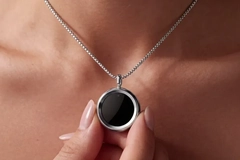
A necklace that can track personal sun exposure has hit the wearable beauty market. The90 has launched Gem, which tracks real-time UVA and UVB exposure and translates the data into personalized guidance.
The necklace, alongside its companion The90 app, is touted as “the first” personal sun intelligence system. The system combines live UV measurement with each user’s skin profile, sunscreen use, and protective clothing. The beauty tech brand says its Gem helps women move beyond generic UV estimates and make more informed decisions about sun exposure, sunscreen timing, and healthy skin aging.
The Gem is currently designed for women, but the company plans to develop versions for men and children. Future iterations of the smart jewelry may also include other formats for wearing the sensor.
“True innovation happens when deep technology is wrapped in a high-end, modular aesthetic that women actually want to wear,” says The90 CEO Stacy Salvi.
“We are on the cusp of a skin care revolution. The90 transforms sunscreen from a one-time morning ritual into an adaptive, responsive system built around your actual UV load. We want to empower women to stop guessing and finally own their light, strategically harnessing the sun for optimal health.”
Personalized sun care
The90 gets its name from the percentage (90%) of visible skin aging and premature skin damage that is linked to cumulative, everyday UV exposure.
The Gem measures how long the skin is exposed to UVA and UVB rays. UVA rays are associated with long-term skin aging and can penetrate through windows, while UVB rays are more closely tied to sunburn. The preventative skin health company says both are vital to understanding and managing daily sun exposure.
The device is a circular sensor inside a titanium case that attaches to a pendant. It comes in a silver or gold finish. It has a battery that is said to last for about a week on one charge. The sensor and case are also splash-proof.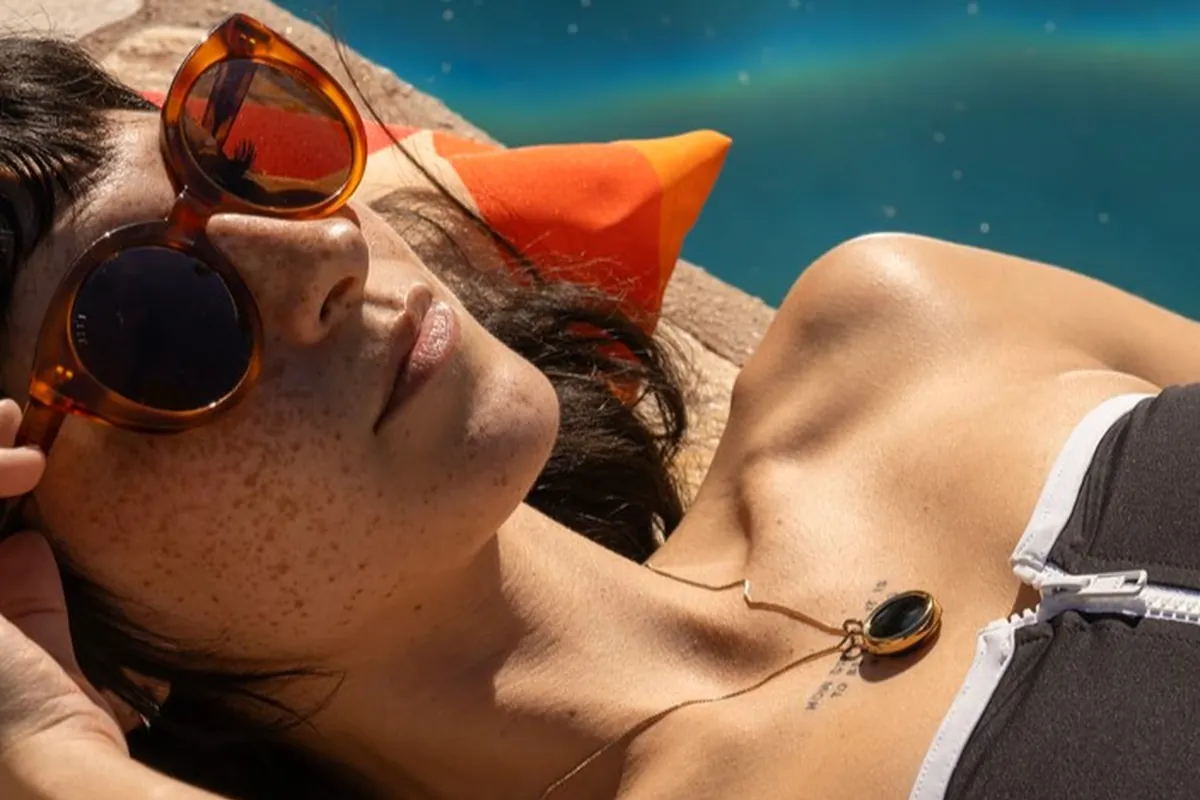 The90 brings personalization to sun care.
The system connects to an app available for Android and iOS. The app has a questionnaire about the user’s skin type, and takes into account what sunscreen is being used.
It turns real-time UV data into actionable guidance, including personalized UV thresholds, sunscreen reapplication reminders, and smarter sunlight exposure windows based on real-time conditions and individual skin needs.
The Gem analyzes how long your skin has spent in UV light, when you should reapply sunscreen, when to cover up, and how much protection your skin is actually getting.
“The UV index on your phone doesn’t know your skin, your sunscreen, or the small moments of exposure that happen throughout the day. The90 gives women the missing data to make smarter decisions and stay ahead of skin aging before it starts,” says Lauryn Bosstick, entrepreneur and founder of The Skinny Confidential, and advisor of The90.
Wearers of the jewelry can also find data on vitamin D targets, recommended clothing to wear, and what actions to take after being in the sun.
Sun care and its shifts
The sun care industry is undergoing a profound shift. In recent years, it has been signified by the switch of sunscreen from a beach day grab to a daily essential.
Personal Care Insights recently sat down with the founders of Green People and Seprify, who said that the daily sun care use shift is partly driven by increasing consumer awareness of the need for SPF protection.
Spate’s US sun care report has also shown that brands that treat SPF like sunscreen are losing competitiveness against brands that treat it like skin care. Instead, the data-driven beauty platform recommends marketing SPF as a daily cosmetic, rather than a seasonal one.
Now, with individualized beauty solutions coming to the forefront of the industry in multiple sectors, sun care is in the personalization spotlight.
“Women are already investing in SPF, treatments, tools, and routines to protect their skin, but when it comes to sun exposure, most of us are still guessing,” says Bosstick.
The Gem represents an inflection point in the sun care category, where three trends are converging into one: preventative skin care, daily use, and personalization. 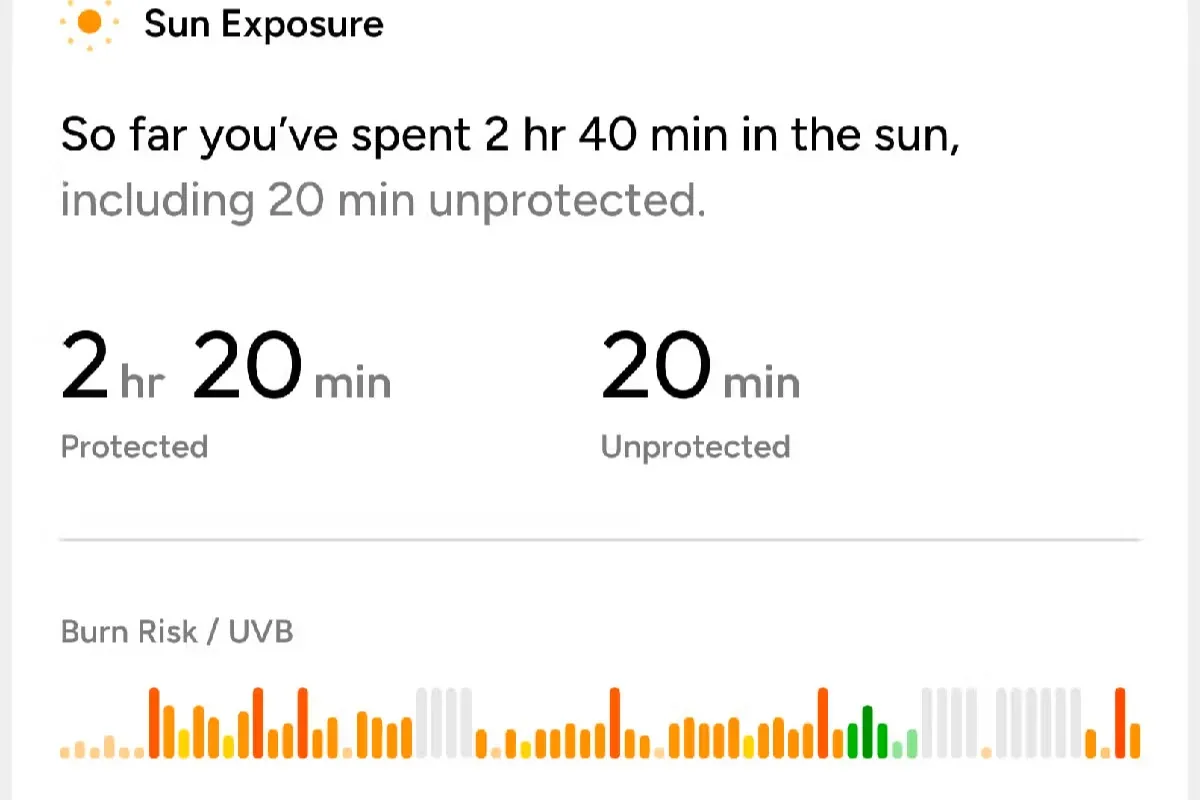 Gem tracks UV exposure in real time.
Rather than competing for share in the evolving market, the launch targets the weak link the category’s maturation has revealed — the guesswork that remains around sun exposure even in otherwise optimized routines.
Tech enhancing beauty practices
The beauty industry has been keeping up with the increasingly technical age. One way is by deploying AI across various parts of its value chain, with recent partnerships seeing the tech used for both product discovery and product creation.
Beyond AI are physical technologies consumers are able to wear to track their biometric signals — from sleep and skin temperature to UV exposure — and translate them into personalized skin care insights.
For example, the Oura ring, launched in 2015, carved out a space where wellness data met skin care. It monitors users’ sleep, recovery, and hormonal patterns, which can be connected to how their skin looks and feels.
Oura doesn’t measure skin directly, but captures signals that shape how skin looks and behaves — sleep stages and readiness scores tied to overnight renewal, temperature shifts, and heart rate variability patterns that flag hormonal changes which contribute to breakouts or dullness.
The Gem applies similar logic as wearables like the Oura ring — translating continuous tracking into personalized insight — but trains its sensor on UV exposure rather than sleep or activity.
Wearables like the Oura ring and Gem could point to where personalized beauty is heading: physiological data as a foundation for skin care. The90 Gem launch signals that skin care is moving from generalized routines toward individualized, data-informed solutions.