



Unilever and Galaxy to scale sustainable surfactant technology

Key takeaways
- Unilever and Galaxy Surfactants have deepened their collaboration to target more sustainable surfactant solutions for home care, personal care, and beauty products.
- The partnership deepens the companies’ 45-year partnership through a charter focused on innovation, resilience, and growth.
- Industry demand for bio-based and natural surfactants is growing.

Unilever and Galaxy Surfactants have signed a Partnership Growth charter to produce “superior” surfactant technologies and accelerate their integration into formulations. The collaboration unifies Unilever’s knowledge of formulation, innovation, and consumer understanding with Galaxy’s expertise in surfactants.
Surfactants are used in cleaning products, shampoos, and body washes to enable cleansing and foaming. Recently, the ingredient category has been attracting industry attention with companies investing in developing more sustainable surfactants.
The charter marks a new phase of technology-driven collaboration in the duo’s 45-year partnership.
“The signing of the Partnership Growth charter with Galaxy marks a joint commitment to unlocking innovation to grow our Home Care, Personal Care, and Beauty & Wellbeing Business Groups,” says Shailendra Sadera, chief procurement officer at Unilever.
“It demonstrates how we partner to win by building strategic, long-term relationships that unlock collaborative innovation, transformation, and value for both Unilever and our partners. Together with Galaxy, our ambition is to set the benchmark for how partnerships can accelerate innovation, strengthen resilience, and create capacity for sustainable growth.”
Focusing on innovation and scale
The new charter prioritizes market differentiation through innovation, supply resilience, a focus on sustainability, and market competitiveness.
Unilever and Galaxy will explore bio-based alternatives and lower-carbon technologies. To do so, they will invest in long-term planning to strengthen resilience and support future growth. To be competitive in the rising sustainable surfactants market, cost, collaboration, and value-chain innovation will also be considered.
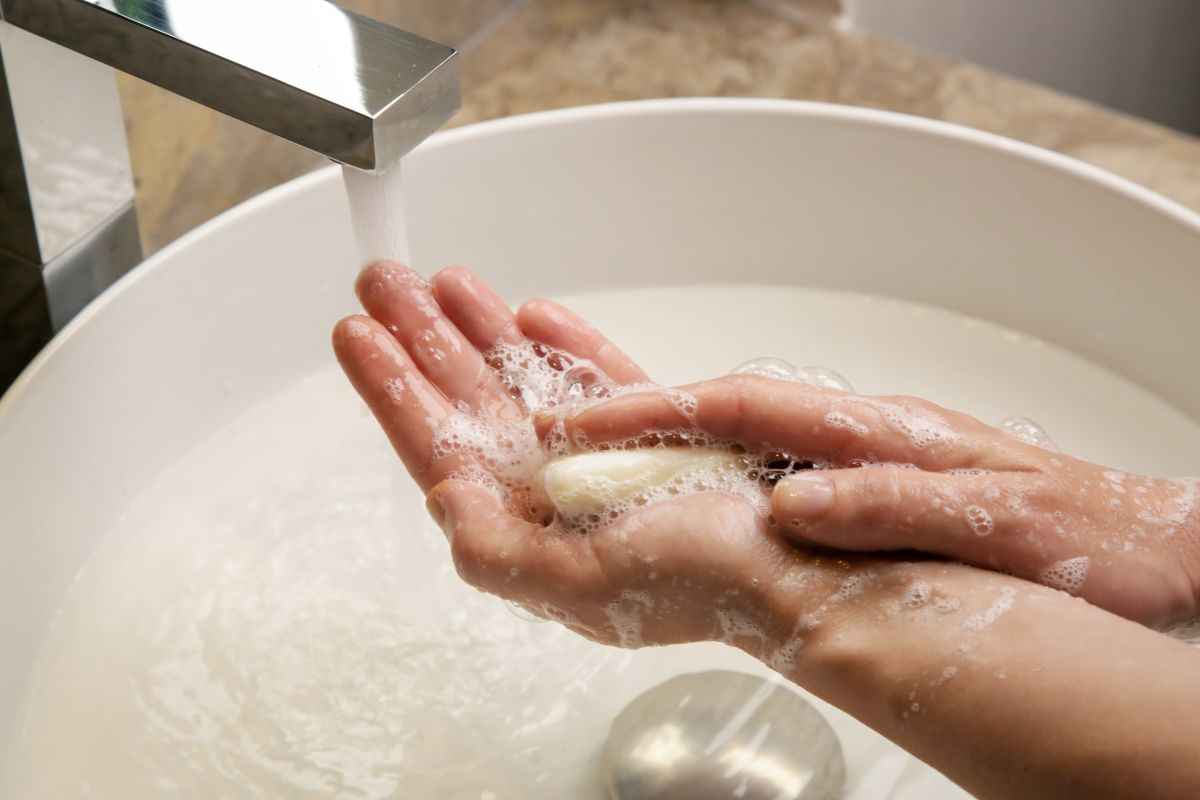
Unilever and Galaxy Surfactants strengthen their long-term partnership.
Surfactants are important ingredients that enable detergents, household cleaning products, shampoos, and body washes to clean, foam, spread, and perform effectively. Galaxy and Unilever say they will develop surfactant technologies that “improve product performance, support sustainability ambitions, and deliver superior consumer experiences.”
The beauty and personal care conglomerate says the efforts are in line with its Desire at Scale growth model that aims to combine science and premium sensorial experiences, creating products that consumers choose, trust, and recommend.
“As markets, technologies, and consumer expectations continue to evolve, enduring partnerships become even more important in driving meaningful progress,” says Krishnan Natarajan, managing director at Galaxy Surfactants.
“Our philosophy of ‘Chemistry Creates Care’ has always guided our approach to innovation and collaboration. This charter reinforces our commitment to combining scientific expertise to create long-term value for the home and personal care industries.”
The two companies have recently joined forces in North America for the first time to create shared capacity closer to consumers.
In the past, the collaboration between Galaxy and Unilever resulted in the reformulations of Dove’s body wash, enabling mildness for sensitive skin while delivering “superior” cleansing properties.
Furthermore, the partnership contributed to reformulating Lifebuoy soap bars with Galaxy’s high-foaming surfactants to balance sustainability goals with consumer expectations on cleansing and lather.
Unilever also reports that Galaxy’s powder surfactant capabilities helped enable powder-to-liquid handwash formats, reducing transportation and packaging footprints.
Sustainable surfactant demands
Surfactant innovation breaks far beyond the borders of the Unilever–Galaxy partnership. Other industry players are developing natural and bio-based surfactants to reduce environmental footprints in personal care products.
Earlier this year, AmphiStar launched AmphiNova, its proprietary biosurfactant platform. The platform contains over 80 versatile biosurfactants sourced from biological waste byproducts and side streams, providing an alternative to synthetic surfactants and those that rely on virgin crops.
Similarly, Syensqo expanded its laundry care solutions portfolio with Rhodasurf B7 UP, a natural surfactant that enables the formulation of sustainable liquid laundry detergents and hard-surface care products.
Late last year, BASF announced its expansion of production capacity for Alkyl Polyglucosides (APGs) in Bangpakong, Thailand, to strengthen regional supply and meet the growing demand for sustainable surfactants. APGs are mild secondary surfactants that are readily biodegradable and biobased, and derived from 100% natural and renewable feedstocks.