



Holistic beauty turns to whole-body care and clinical substantiation

Key takeaways
- Beauty is increasingly converging with nutrition, wellness, and preventive health as consumers focus on long-term well-being and healthy aging.
- AI is helping connect skin, lifestyle, nutrition, and wellness data to create more continuous and personalized beauty experiences.
- Symrise and Revieve say stronger scientific evidence, transparency, and clear boundaries around health claims will be essential to building trust.
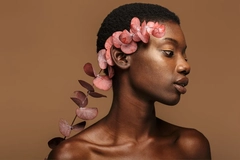
The lines between skin care, nutrition, wellness, and preventive health are blurring in the personal care industry. Awareness of the connection between the skin, gut, sleep, stress, and lifestyle is growing, and consumers are looking for solutions that go beyond addressing visible concerns.
Attention on holistic beauty is growing, encouraging people to pay more attention to how they feel, age, and live in the long term.
Innova Market Insights’ Top Personal Care Trends for 2026 says anti-aging and holistic longevity are rooted in wellness and healthy aging standards. The market researcher’s 2026 survey indicates that 39% of consumers globally say they embrace aging as a natural part of life, while tracking a 55% CAGR in personal care launches with “longevity” claims.
Advances in AI and personalization are creating new opportunities to track different lifestyle factors and help consumers understand how to optimize their wellness. Additionally, as beauty moves closer to health, industry experts say that scientific substantiation, transparency, and trust are critical to maintain credibility.
Symrise and Revieve tell Personal Care Insights how the industry is responding to the convergence of health and beauty, and what it will take to build lasting consumer trust in holistic solutions.
“As beauty becomes increasingly linked with health and wellness, the definition is evolving from an appearance-driven concept to a more well-being-driven one,” a spokesperson at Symrise tells us.
Irina Mazur, chief commercial and marketing officer at Revieve, adds that, for a long time, beauty was largely about correcting something visible, but today, there is a much broader mindset around feeling well, aging well, and supporting long-term vitality.
“Consumers are not only asking what will make their skin look better today, but what is influencing it and what they can do to support it over time. That is bringing beauty, wellness, nutrition, and preventative care much closer together, and that is really where holistic beauty is heading,” says Mazur.
She explains that holistic beauty does not treat beauty as a collection of isolated concerns, but rather connects the dots between skin, lifestyle, well-being, and the environment..webp) Holistic beauty is shifting the focus from quick fixes toward prevention and healthy aging.
Holistic beauty is shifting the focus from quick fixes toward prevention and healthy aging.
Aspiring to prevention, not perfection
Symrise says that holistic beauty is becoming part of a broader wellness ecosystem that spans multiple categories.
“It considers the whole person, including physical health, mental well-being, emotional balance, nutrition, gut health, sleep, skin health, stress management, and lifestyle habits, rather than focusing solely on appearance, cosmetics, or aesthetic treatments,” explains the company spokesperson.
According to Revieve’s Mazur, consumers are growing more knowledgeable about skin health and are increasingly interested in longevity-driven solutions, which is helping drive the shift toward holistic beauty.
“People have access to more information than ever before, and that has made them far more knowledgeable and intentional about the choices they make,” says Mazur.
“They are looking beyond the immediate result and asking bigger questions: Is this right for me? Is there science behind it? Does it fit my lifestyle? And will it deliver value for me over time?”
She explains that as longevity-led innovation advances, consumers are no longer aspiring to look “perfect” but rather to maintain their healthspan.
“That naturally raises expectations for beauty. Consumers want solutions that can support them through changing needs and different stages of life, rather than offering a quick fix or focusing only on appearance.”
Symrise echoes this view, noting that globally, consumers are increasingly viewing beauty as a reflection of overall wellness rather than appearance alone. The cosmetic ingredient manufacturer cites data that indicates 54% of Asia-Pacific consumers recognize the connection between skin health and overall health.
“Consumers are looking beyond cosmetic benefits, with improved self-confidence (53%), improved appearance (47%), and a reduced chance of illness (46%) emerging as key motivations for addressing skin health,” the spokesperson says.
“As a result, demand is increasingly including beauty-from-within solutions that promote confidence, healthy aging, prevention, and everyday well-being, creating new opportunities for scientifically backed functional nutrition and probiotic solutions.”
Earlier this year, Symrise introduced a new Care & Wellness Division to bridge skin health, the gut microbiome, and holistic well-being for “healthier longevity.” .webp) Holistic beauty connects skin care, nutrition, and lifestyle to support long-term well-being.
Holistic beauty connects skin care, nutrition, and lifestyle to support long-term well-being.
AI unifies fragmented lifestyle data
AI and personalization are emerging as powerful tools to help consumers understand the relationships between their skin, lifestyle, and general health.
“The real potential of AI goes far beyond recommending the right product. Its value is in helping connect information that has traditionally existed in isolation and turning it into something meaningful for the individual,” says Mazur.
She explains that a consumer might think about their skin care, nutrition, lifestyle, and wellness as part of one journey, but the data, products, and experiences behind them often still sit in completely separate worlds.
“A person’s skin is constantly changing, but so is the context around it. Their routine, lifestyle, environment, stress levels, sleep, nutrition, and personal goals can all evolve. AI gives us the ability to bring those different signals together, alongside skin diagnostics, product and ingredient knowledge, and previous interactions, to create a much more complete and dynamic understanding of the individual.”
Last year, Revieve unveiled the “world first” AI-powered skin care and nutrition advisor, which recommends both topical skin care and supplements based on a personalized digital consultation using a selfie and a short lifestyle questionnaire.
However, Mazur tells us that continuity is essential to create a holistic beauty routine that works.
“Personalization should not start and end with one selfie, one quiz, or one recommendation. Every interaction can add another layer of understanding, allowing the experience to become more relevant over time,” she says.
“Instead of repeatedly asking the consumer to start from zero, AI can help create an ongoing conversation that adapts as their needs and circumstances change.”
Crafting credibility in convergences
Mazur warns that the closer beauty moves toward wellness and health, the higher the bar for credibility becomes.
“Companies need to be very clear about where beauty guidance ends and medical advice begins. Claims need to be evidence-based, recommendations need to have a clear rationale behind them, and consumers need to understand why something is being suggested rather than simply being told that an algorithm has made a decision.”.webp) AI and personalization are helping consumers understand the links between beauty, health, and daily habits.
AI and personalization are helping consumers understand the links between beauty, health, and daily habits.
She explains that consumer trust is equally important, and that personalization only works if there is a genuine value exchange.
“If someone chooses to share information about themselves, they should receive something meaningful in return: greater clarity, better guidance, fewer irrelevant choices, and an experience that genuinely helps them make a more informed decision,” Mazur adds.
The industry can build credibility by prioritizing scientific substantiation over broad marketing claims, says Symrise.
“While the convergence of beauty, nutrition, and wellness reflects a growing understanding of skin biology, meaningful differentiation will require demonstrating measurable consumer benefits through well-designed human clinical studies,” the spokesperson tells us.
“When products are positioned as part of a broader inside-out beauty strategy, studies should ideally assess whether combining nutritional and topical interventions provides incremental benefits compared with either approach alone.”
Symrise says efficacy in beauty ingredients should be demonstrated using clinically relevant endpoints such as wrinkle appearance, elasticity, hydration, radiance, and translucency, or overall skin appearance.
“The future of beauty-wellness convergence will be defined not by the number of claims that can be made, but by the quality of the evidence supporting them,” the spokesperson says.
Mazur echoes this, adding that ultimately, the winners in holistic beauty will be the companies that can bring together intelligence, science, and empathy. “The technology can be incredibly sophisticated behind the scenes, but for the consumer, the experience should feel simple, credible, and human.”