

Principles trump products: How “dystoptimism” will shape beauty branding


Key takeaways
- VML says “dystoptimism” defines 2026, as Gen Z embraces hope-driven change without ignoring social and political instability.
- Accountability is seen as a beauty business imperative, with value-driven consumers voting with their wallets through boycotts.
- This year’s beauty trends are predicted to be shaped by the socio-political climate with heightened demand for transparency, ethical practices, and Ozempic-led sensory trends.
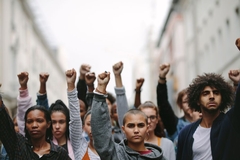
VML’s The Future 100: 2026 report reveals that Gen Z beauty consumers’ refusal to surrender to apathy influences their purchasing behavior. VML’s insights show how beauty brands can gain an edge by offering consistent brand values and transparency. The report coined the term “dystoptimistic” to describe the modern consumer’s resilience in spite of difficult contemporary social circumstances.
“Failing to align with consumer values could be more than just a marketing problem,” Marie Stafford, global director at VML Intelligence, tells Personal Care Insights.
“Brands have an active role to play as catalysts of change for their customers. We know consumers are focused on personal growth in 2026, and they will welcome brands that actively facilitate it for them. It’s about offering support and guiding them on their journey to a positive outcome, rather than just offering products.”
According to the report, beauty consumers are seeking connection, authenticity, and “fundamental change” to remain resilient in the face of global adversities. Gen Z makes morally-charged demands, and they increasingly engage with brands that invest in consistent values and connection. For personal care brands, this means adjusting to value-driven consumer demands and increasing ethics and transparency.
By analyzing findings from a global survey spanning 16 markets and identifying 100 major trends, VML projects global beauty business and cultural trends for the coming year.
Beauty: 2026 “Dystoptimism” acknowledges dread alongside hope.
In what The Future 100: 2026 report calls “speculative beauty,” it highlights the expansive array of directions beauty can take as it experiences fewer constraints due to technological advancements.
With the use of AI and beauty filters to edit and manipulate an image, the self can look like anything a consumer wants. The report suggests that the highly curated versions of one’s physical appearance may lead beauty standards into a post-human aesthetic.
VML intelligence data shows that 74% of the 15,639 adults surveyed agree that, in the future, concepts of beauty may extend beyond traditional human features.
Another trend the report underlines is the recent prevalence of food flavors in cosmetics, dubbed the gourmand trend. “Beauty’s flirtation with food has evolved from novelty to necessity,” says VML.
The Future 100: 2026 report notes that while food-flavored cosmetics used to be special products, they are now substituting for the sensory experiences consumers seek in an era of appetite suppression.
Citing the 17% global use of GLP-1 medications such as Ozempic, the report attributes the rise in decadent food flavoring in beauty products to consumers’ desire for sensory satisfaction. Perfume sales to US GLP-1 users rose by 23% in 2025, while one in three new product launches features flavor-based profiles.
Marketing for connection
The report discusses radical honesty as a branding strategy for beauty brands. Citing The Ordinary’s The Wikileaks of Beauty archive and The Periodic Fable campaigns, VML explores the value of accessibility and trustworthiness to consumers.
“With consumer skepticism high, honesty is a competitive advantage,” says the report. It states that 87% of customers are willing to pay more for products from trusted brands. “Cultivating authentic values and trust is not just an ethical imperative, it’s a powerful business strategy.”
Substack, a social media platform built for long-form writing, is becoming a medium through which beauty brands invite consumers into their ethos and increase transparency. Saie and the Inkey List are named among the cosmetic brands with a presence on Substack. In doing so, the brands can drive engagement through dialogue with consumers, carving out an — albeit small — corner of the internet for slow content.
The report stresses the value of slow content as it allows beauty labels “to talk less about what they’re selling and more about what they stand for. It’s less marketing, more meaning, where authenticity and shared joy build lasting loyalty.”
Micro-dramas are another trend in connection-focused branding strategies by creating long-form content to blur the line between audience and consumer. The report underscores that beauty brands can use micro-drama advertising to create emotionally engaging stories about their products.
Maybelline New York released a five-part Christmas romantic comedy-style ad campaign for its Instant Eraser Concealer in 2025. Aligned with the trend, ELF Cosmetics released a tele-novela-inspired campaign to promote its Glow Reviver Lip Oil earlier today.
In the vein of increased consumer literacy and their demands for authenticity from brands, the report discusses unattainable beauty standards and consumer fatigue. It finds that 71% of consumers globally agree that “beauty standards today are impossible for anyone to achieve.”
The report discusses “the irony of brands using the language of empowerment to promote these products when women’s autonomy is under threat.” The report highlights that this consumer fatigue and demand for ingenuity “points to a powerful opportunity for brands to offer simplicity, while celebrating authentic, natural beauty. Shifting the narrative from fixing flaws to empowering genuine confidence and acceptance will resonate with those who are over the artifice of extreme beauty narratives.”
Accountability is profitable 
Politically informed consumption leads Gen Z’s choices.
The Future 100 details Gen Z’s politically informed consumption behaviors, such as boycotts. It discusses the influence boycotts have on global brands and underscores that 53% of US Gen Z consumers have taken part in brand boycotts. The report lists McDonald’s, Amazon, Disney+, and Target as some of the companies boycotted in 2025 due to their political positioning or unethical labor practices.
According to the report, brands are facing a reckoning as value-driven consumers hold them accountable. While brands have previously opted away from taking sides on political issues, the report says that “in this environment, they may feel they need to pick a side.”
“Seventy-nine percent of Gen Z tell us they want their money to go to brands that share their values, and we have seen this put into practice with the recent spate of consumer boycotts. There’s also a cultural front: creators are highly attuned to their audience’s values, so any missteps could get brands called out — or worse, ignored,” says Stafford.
She also underlines the internal risks that failure to comply with ethical values may pose for brands.
“Our data has long shown that employees want to work for companies with similar values, so brands that lose public trust may also struggle to attract or retain the talent they need to innovate or grow.”
Authentic brand activism may be on the upswing as “people power” becomes common practice. “This makes it more important than ever for brands to have clear and consistent values, to ensure they don’t end up on the wrong side of the barricades,” says the report.
Against performative activism, the report draws attention to informed consumption and warns that consumers will see through self-serving actions. “Brand actions must be integrated into the business, not just its marketing,” it says. “Businesses must commit to the long haul and be prepared to tackle pushback.”