




Anti-pollution solutions broaden into exposome and climate-adaptive care

Key takeaways
- Anti-pollution claims are being folded into broader exposome and climate-adaptive skin care.
- Consumers worry about environmental skin stress, but few adjust their routines, data shows.
- European suppliers, including Gattefossé, Symrise, and dsm-firmenich, are developing resilience-focused actives.
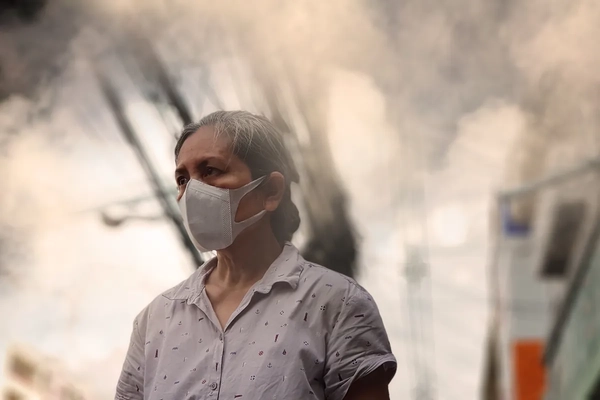
Climate change is bringing more heat waves, humidity fluctuations, and unpredictable air quality, prompting ingredient suppliers to expand pollution defense into broader climate-adaptive care that builds skin resilience. Anti-pollution skin care is no longer standing on its own.
Innova Market Insights data indicates that personal care launches with anti-pollution claims grew at an 8% CAGR from July 2023 to June 2026.
“Future trends could shift from reacting to environmental stress toward anticipating it, with formulations that ‘train’ skin to adapt before environmental stress occurs,” Laurie Canel, product marketing leader for personal care actives at Gattefossé, tells Personal Care Insights.
“Beyond active ingredients, texture-centered adaptation will become key in unstable environments by considering sensoriality in different climates. These concepts will expand beyond skin care into hair, scalp, body, and makeup, even supplements, answering a holistic climate-wellness approach building resilience from within.”
We explore what is driving demand for environmental skin protection, why consumer awareness has yet to translate into action, and how European suppliers, including Gattefossé, Symrise, and dsm-firmenich, are positioning new actives for a changing climate.
What is driving anti-pollution protection
Canel says in recent years there has been a shift from skin care to skin health care.
“Advances in skin biology have deepened our understanding of the skin ecosystem and how external factors can affect its function. UV exposure was first recognized as a contributor to premature skin aging, followed by a growing interest in the effects of chemical pollution and artificial visible light.”
Canel adds that there is attraction for health-centric skin care products, preventive beauty routines, dermatologically tested products, and a preference for pharmacy brands.
“This attraction is particularly true for millennials and Gen Z, whose motivations are mainly driven by the search for balanced and healthy skin through care and protection claims, over purely aesthetic and conventional anti-aging benefits,” she says.
According to Innova Market Insights, of cosmetics that have anti-pollution claims, skin care leads at 61%, followed by hair care at 22%. Facial and neck moisturizers are the top subcategory at 27%, followed by facial and neck serums at 14%.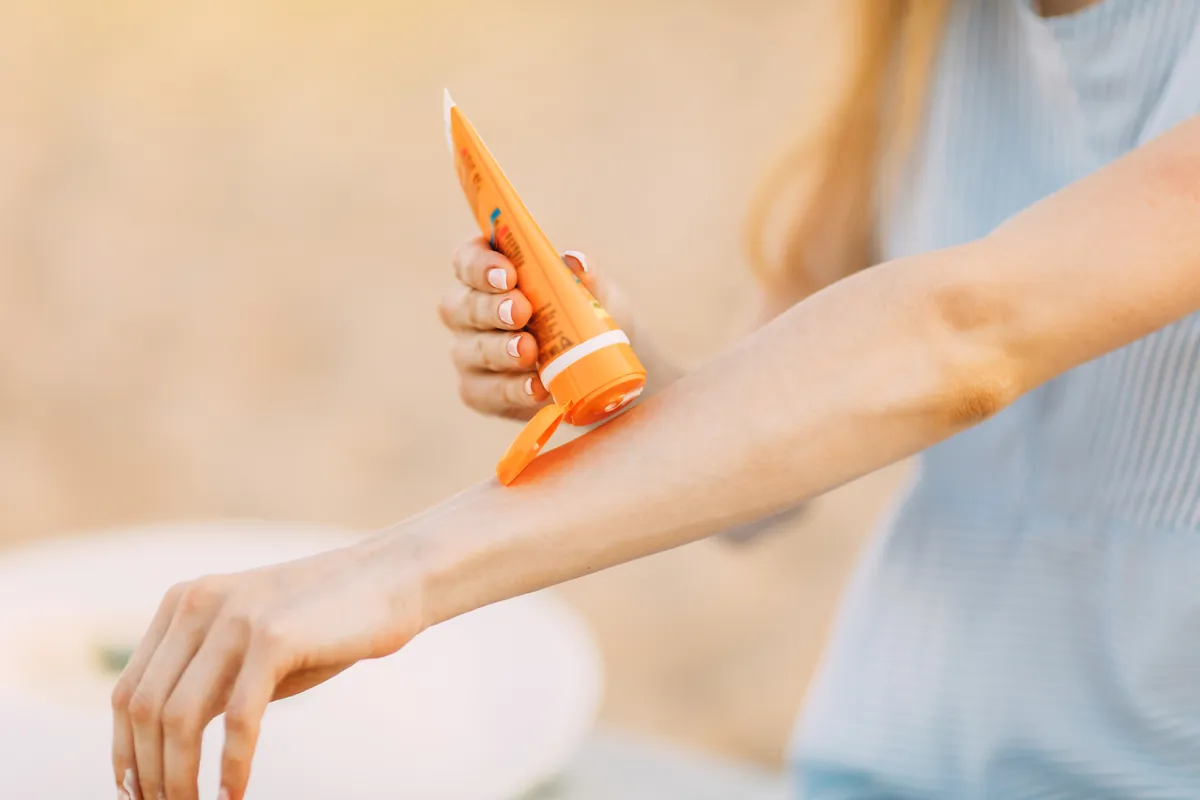 Canel sees skin care shifting from reacting to environmental stress to anticipating it.
Myriam Abderrachid, head of global marketing for Personal Care at Gattefossé, previously told Personal Care Insights that climate-adaptive beauty is a trend driving demand in high-performance actives. These formulations aim to maintain barrier balance despite environmental fluctuations, helping skin withstand rapid temperature changes while preserving comfort and hydration.
Understanding versus action
The understanding of skin biology has evolved toward a vision of the skin as an ecosystem interacting with its environment. External factors have consequently become increasingly important in explaining skin concerns and visible aging, alongside genetic influences.
Canel cites that 75% of skin aging is attributed to the environment, while only 25% is genetic.
Recent data from CeraVe has found that almost all (90%) of adults surveyed said they are concerned with at least one environmental factor affecting their skin. Of the 6,000 European adults, nearly half (47%) said their skin is more sensitive than it was five years ago, and 50% report dryness linked to their environment or changing weather.
However, from the survey, most (81%) of respondents recognize the importance of protection beyond UV, but only 22% use products designed to support the skin barrier — and just 10% take extra skin care steps when pollution levels are high.
Despite the increased understanding of environmental factors and skin health, a gap in action remains. This whitespace offers areas for brands and ingredient suppliers to innovate and educate beauty consumers.
For Gattefossé, closing that disconnect starts with how the industry frames pollution in the first place. Rather than treating it as a standalone concern, Canel says it should be considered alongside the other environmental stressors skin faces every day.
“Environmental stressors do not act in isolation: their interactions can amplify their effects on the skin. The exposome concept captures this broader picture. Initially theorized as a global approach to health, the concept has gradually infused the field of personal care and has radically changed the approach to skin maintenance,” she explains.
“In this context, anti-pollution can be understood as one component of broader exposome protection rather than an isolated benefit.”
There is also a commercial case for this approach. In CeraVe’s survey, over half (55%) of respondents said skin care must be simple, or they will not follow the routine. For brands, bundling pollution defense into multifunctional exposome products may be easier to sell than a dedicated anti-pollution step.
Climate change and personalization
Climate change and increasingly variable weather are encouraging the shift toward climate-adaptive beauty. Canel says there is now a focus on skin resilience rather than protection alone.
“Brands now address the unpredictability and interactions of environmental stressors (temperature, humidity, pollution, UV) by developing responsive formulas.”  Pollution, heat, and humidity swings strain the skin barrier.
Anti-pollution solutions also align with growing demand for personalized skin care that adjusts to individual lifestyles and changing climates. Thermo-adaptive, humidity-responsive, and pollution-defense solutions are especially appealing to the youngest consumers, according to Canel.
Hishda Mohamed, senior marketing lead of Insights and Innovation at Croda Beauty Actives, echoed Canel’s view that skin care must respond to changing environmental conditions rather than follow a fixed routine.
Mohamed told us that fine-tuned personalization is particularly relevant for climate-adaptive beauty. She said that future routines could respond to real-time environmental changes. Additionally, ingredients and technologies may also become more responsive to local physiological conditions, weather, pollution, or changes in the microbiome.
“The question, therefore, shifts to ‘What does my skin or hair need today under these different environmental conditions, and what is the most appropriate combination of interventions to design the routine of the day?’” explained Mohamed.
European solutions emerge
Innova Market Insights data suggests Europe accounts for just over half of launches with anti-pollution claims at 51%, followed by Asia at 22%.
French ingredients supplier Gattefossé highlights two solutions in its portfolio targeting climate-adaptive care. “At Gattefossé, nature’s resilience inspires innovative skin care solutions promoting skin adaptation to its challenging environment,” says Canel.
Inspired by silk cocoon production using white mulberry, Silkaress (Fructose (and) Water (and) Propanediol (and) Morus Alba Leaf Extract) helps skin adapt to environmental stress by supporting protein phosphorylation and reinforcing the skin barrier.
“Silkaress offers softer, smoother, protected skin for a wide range of applications, including climate-smart skin care, everyday outdoor defense products, cocooning, and comfort-first formulas,” said Gattefossé’s Abderrachid.
The ingredients specialist also harnesses the resilience of sea buckthorn to develop Noxifense (Propanediol (and) Hippophae Rhamnoides Extract), a bioactive that disrupts the exposome-induced oxi-inflammatory cycle. The company touts that it offers a holistic approach to sensitive skin.
Another European ingredients manufacturer, Symrise, recently launched Dragosine Green (360° exposome protection). It reflects the shift toward broader exposome protection.
Positioned for skin longevity, the plant-derived L-carnosine targets exposome stressors, including UV-induced oxidative stress, blue light, infrared radiation, and heat, without carving out pollution as a standalone claim.
The German supplier’s Dragosine Green groups environmental stressors under a single “360° exposome” umbrella and pairs that protection with longevity benefits such as collagen support and glycation protection.
Symrise frames the launch as part of a move away from corrective anti-aging toward proactive “prejuvenation.” Nathalie Chevrot, global skin care category director for Advanced Actives at Symrise, says the ingredient helps customers “move beyond traditional anti-aging claims.” 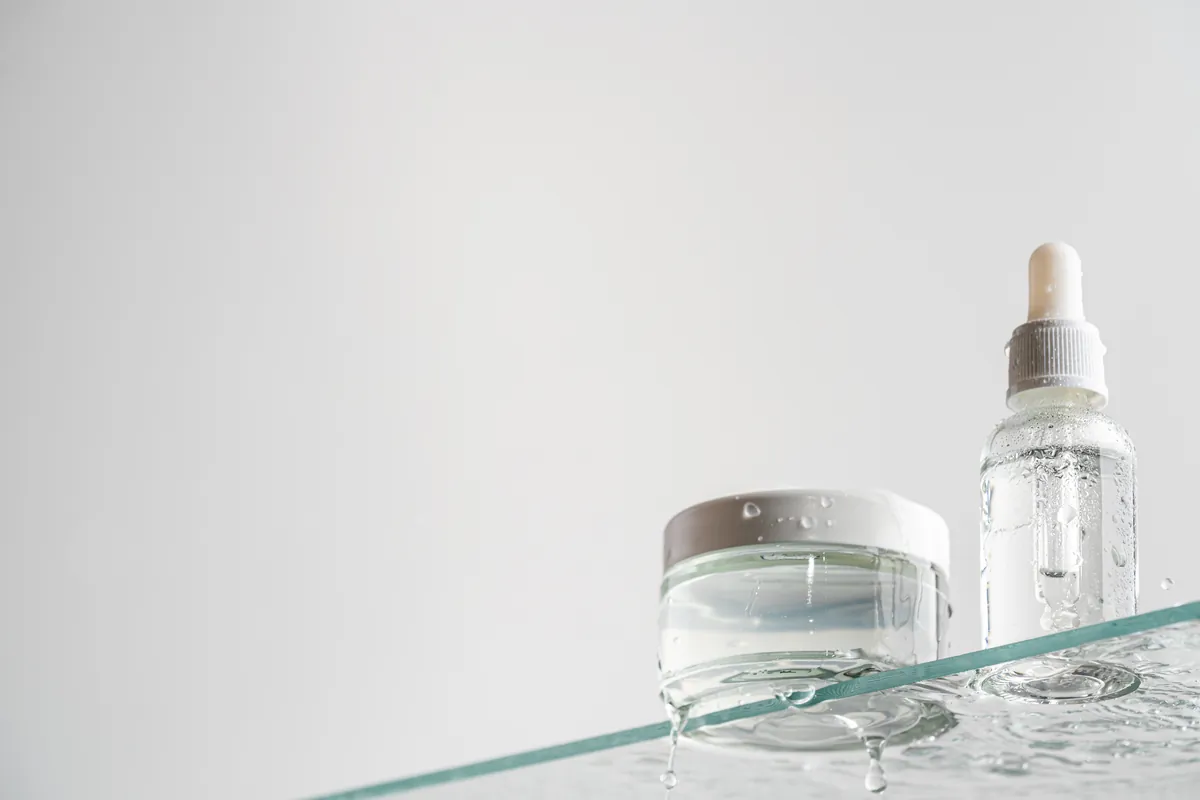 Symrise’s Dragosine green targets UV, blue light, infrared, and heat.
Also exemplifying Europe’s focus on climate resilience, dsm-firmenich released Alplaflor Neurosooth, a climate-adaptive skin care ingredient designed for holistic well-being. The bioactive ingredient, sourced from the Alpine plant Scutellaria alpina, interrupts the skin-mind stress loop by lowering irritation and helping protect against environmental stress.
dsm-firmenich stated that climate awareness and mind-care beauty are major forces currently shaping the beauty industry. To meet both these demands, it developed Alpaflor Neurosooth, which can inhibit key neuroinflammatory mediators that are involved in stress signaling and boost β-endorphin production.
Amid rising global temperatures, dsm-firmenich revealed that people’s skin is increasingly becoming prone to heat-induced stress. Factors such as heat waves, thermal fluctuations, and dense urban environments act as micro-stressors to the skin that can disrupt barrier function and increase sensitivity and discomfort.
“As climate extremes become the new normal, Alpine survivors become skin care heroes. Alpaflor Neurosooth harnesses the adaptive power of S. Alpina to help strengthen skin resilience over time — supporting lifelong healthier-looking skin and emotional comfort,” said Francesca Pascucci, global director for Marketing Skin Care at dsm-firmenich.
The president of the company’s Beauty & Care division, Parand Salmassinia, told us that the ingredient is particularly tailored to today’s cosmetics consumers, whose skin experiences climate stress and whose minds experience mental stress.
“This is the first ingredient that is bringing climate-adaptive care and marrying it with a neurocosmetic concept. And so it’s really elevating the science of stressed skin to a whole new level and bringing a real solution that you can feel and see at the same time,” said Salmassinia.