




Biotechnology, upcycling and new tech drive the next phase of sustainable beauty


Key takeaways
- Beauty brands are moving beyond natural claims toward traceability, certifications, and measurable environmental impact across the entire product lifecycle.
- Biotechnology, upcycling, and AI-assisted formulation can improve resource efficiency, reduce development waste, and support ingredient performance and scalability.
- Sustainable beauty must maintain efficacy and sensory appeal while limiting unnecessary consumption.

Sustainable beauty is moving beyond plant-based claims as brands scrutinize the full lifecycle of ingredients and packaging while tapping into modern-day technology. Brands’ sustainability credentials are helping beauty and personal care consumers make more informed decisions on purchases. This, in turn, supports the development of adaptable systems, products, formats, and routines that can evolve with consumers.
Personal Care Insights explores how traceability, advanced processing methods, AI, and multifunctional ingredients are becoming central to reducing environmental impact without compromising efficacy or sensory appeal.
Ingredients + Specialties from Univar Solutions tells us about how brands now look beyond whether an ingredient is natural or synthetic and instead focus on how it’s sourced, produced, and verified.
Vantage Personal Care and Croda Beauty discuss the increasingly interconnected roles of technology and sustainability as AI and digital tools reshape formulation and improve resource efficiency. They stress that technology can advance sustainability goals when its environmental footprint is weighed against its performance and efficiency gains.
“[Sustainable beauty] is about developing adaptable systems, products, formats, and routines that can evolve with consumers and their environment while minimizing unnecessary consumption and resources,” says Hishda Mohamed, senior marketing lead, Insights and Innovation at Croda Beauty Actives.
Key to success
According to Bianca Coria, senior innovation chemist for Beauty and Personal Care, North America, at Univar Solutions, the most successful formulations are designed as systems, where multi-functional ingredients deliver performance, stability, and sustainability simultaneously.
She explains that one approach to reducing a formulation’s environmental impact is selecting raw materials compatible with cold-process manufacturing. This can lower energy consumption by reducing or eliminating heating and cooling stages without compromising product performance.
“Another approach is selecting raw materials that have been produced through carbon-conscious processes without sacrificing performance,” she says.
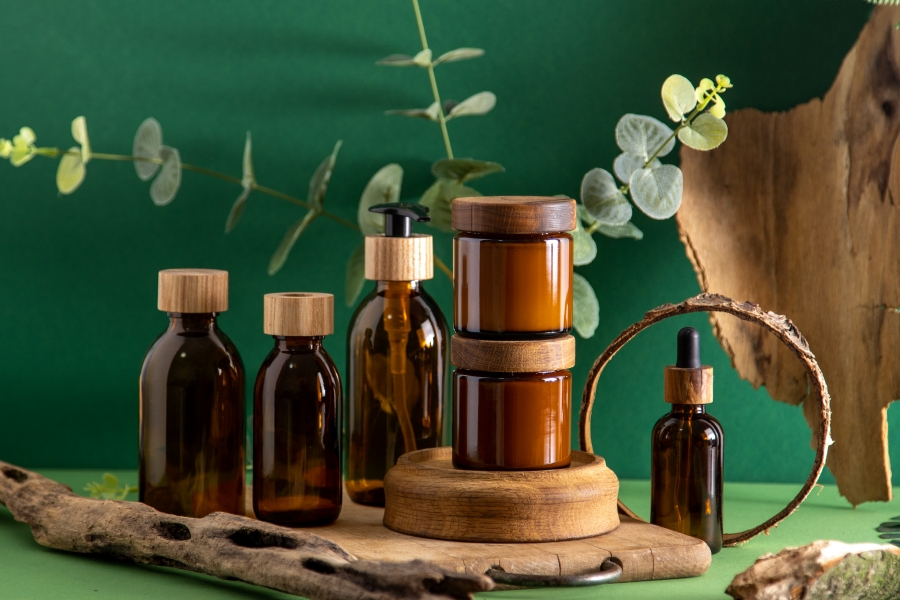 Sustainable formulations target performance without the environmental trade-offs.She projects biotechnology, fermentation, and upcycling to be among “the strongest drivers of change in the next five years,” as she says they are some of the most promising and rapidly evolving approaches for developing more sustainable beauty products.
“Biotechnology can help improve ingredient consistency and scalability, and conserve resources, while upcycling transforms waste byproducts into high-performance cosmetic raw materials. Together, these methods can reduce waste and deliver efficacy that customers expect.”
Product lifecycles & impact
Coria tells us that Univar Solutions bases its sustainability protocols around environmental stewardship, commercial sustainability, and social responsibility. The company works with suppliers to help provide traceability, certifications, documentation, and sourcing transparency that inform sustainability assessments and responsible sourcing decisions.
“This approach helps provide customers with greater visibility into product performance and sustainability information across the product lifecycle while supporting more informed decision-making.”
Coria believes that consumers are willing to pay more within reason, especially with products that have a personal impact.
“Performance is non-negotiable,” she says. “Customers look for third-party certifications and transparency to help validate sustainability claims and ensure the products they purchase align with their values.”
Carbon-conscious decisions will also play a significant role in companies aiming to reduce carbon emissions, she flags.
Coria anticipates that the need for collaboration across the value chain will increase to ensure that traceability and sustainability data are more readily accessible.
Balancing beauty technology’s benefits and environmental footprint
Personal Care Insights recently spoke with companies about how technology can contribute to a more sustainable beauty and personal care industry.
Kimia Koushesh, technical marketing director EMEA & APAC at Vantage Personal Care, says “sustainability and technology are not separate conversations; they reinforce each other.”
“On the formulation side, AI database tools are already shortening the ingredient selection process from hours or days to minutes — that kind of acceleration lets our teams spend more time on creativity and less time on search,” says Koushesh.
On the ingredient side, the US-based personal care ingredients supplier is leveraging upcycled materials through technology that enables better traceability and supply chain transparency. Koushesh tells us that rigorous transparency is critical to delivering the certifications, such as COSMOS Ecocert, that customers and consumers rely on.
She believes the industry needs to be strategic about the products it designs and find the right balance using technology to achieve multifunctionality, sustainability, and genuine performance.
Croda Beauty Actives’ Mohamed says technology can contribute significantly to sustainability. “But we need to look at both how products are developed and how they are ultimately used.”
“At the R&D and manufacturing level, AI, predictive modeling, and digital tools can help reduce experimentation, optimize formulations earlier, improve resource efficiency, and potentially lower the use of water, energy, and raw materials. Biotechnology can also provide alternative ways of producing certain ingredients,” says Mohamed.
She tells us that product sustainability also comes with an “equally important consumer dimension.” If beauty routines become more dynamic and adapt to changes in skin condition, physiology, climate, or pollution, then product formats will also need to become more adaptable, she explains.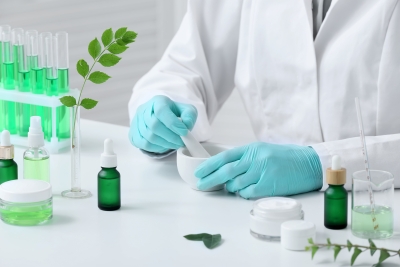 Biotechnology and upcycling are among the most rapidly evolving approaches for developing more sustainable beauty products.
“The market is already moving in this direction through multifunctional products, concentrated formats and refillable systems, although refillable beauty still has considerable room to expand.”
For Mohamed, the next step could be to connect these formats with diagnostics and personalization. “Instead of purchasing a completely different product for every possible condition, consumers might adjust the quantity used, the frequency of application, the way products are combined, or the concentration of an active response.”
She believes this is important because personalization should not result in complex routines or increased consumption. Ideally, technology should enable more flexible, efficient, and sustainable routines, according to Mohamed.
However, she cautions that digital innovation must also be assessed against its own resource use and environmental costs.
“We should also remain conscious that technology itself has an environmental footprint. AI requires computing infrastructure and energy, while connected devices involve materials, electronics, and end-of-life considerations,” says Mohamed.
“Technology is not sustainable per se. The real opportunity is to ensure that the environmental benefits created by technology outweigh its own footprint.”