




Home fragrance evolves for longevity, well-being and eco-impact


Key takeaways
- Home fragrance is increasingly focused on extending scent longevity.
- Wellness, aromatherapy, and emotion-led technologies position home fragrance as part of self-care.
- Sustainability remains a consumer focus, with refillable formats, ethical packaging, and biodegradable technologies responding to demand for greener products.
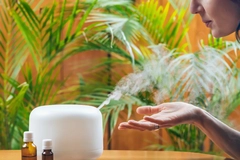
Home fragrance is moving from a functional air-care category toward a more sophisticated sensory category, showing a convergence of performance chemistry, wellness, and environmental ethics.
Innova Market Insights data indicates that over half of global consumers are motivated by scent when purchasing household fresheners. The industry is responding with novel innovations, leading to a 23% CAGR of air fragrance launches from July 2021 to June 2026.
The primary driver behind purchase is scent (54% of consumers), but the definition of a “good” scent is evolving toward freshness, while a “good” product is increasingly defined by ethical and sustainable practices.
Personal Care Insights looks at some of the latest advancements in home fragrances and where they indicate the category is moving.
Extending scent-life
According to Innova Market Insights data, “fresh” scents are the top choice for consumers buying home fragrances. They make up 5% of new fragrance launches, with classic scents like lavender and vanilla slightly lagging at 4% each.
The heightened interest in fresh scents is also driving novel product launches. For example, Bath & Body Works offers a Sea Salt Coast candle, which the retailer describes as woodsy, bright, and fresh.
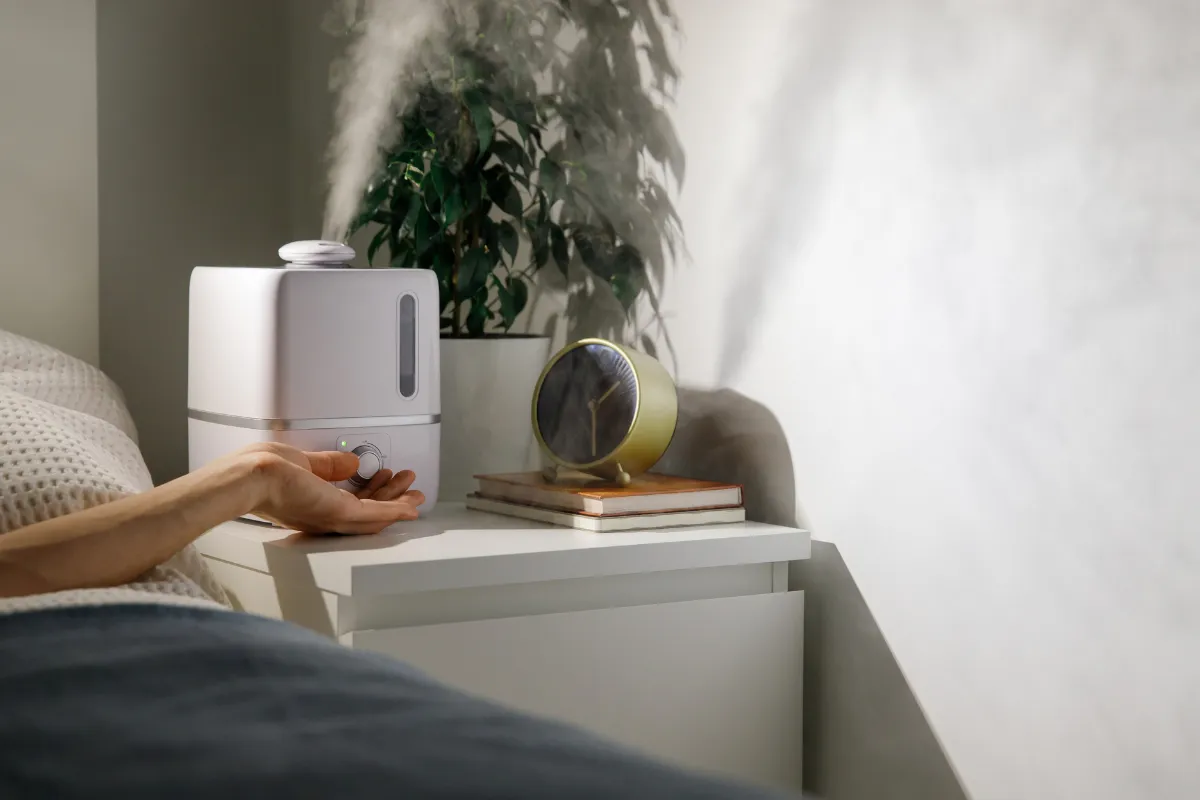 Fragrance technologies are being developed to extend scent longevity in home and air care products.
The market researcher suggests that this demand for fresh scents has helped fuel the rise of Brazilian-inspired fragrances. Its global survey found that Brazilian-inspired scents are growing at 176% CAGR. The growth underpins a consumer demand for warm and bright home fragrance.
However, beyond scent profiles, Innova Market Insights suggests that consumers heavily consider a product’s performance when making purchase decisions. The researcher found that long-lasting is the top product claim in the market, appearing in 58% of new launches, nearly three times higher than the next claim.
Brands are responding by engineering products built for duration, tapping technological advancements to extend the scent of formulas.
In this space, fragrance precursors have emerged as a tool to help home care manufacturers prolong the smell of a fragrance after it has already been sprayed.
Swiss ingredients manufacturer Givaudan, for example, recently unveiled its Scentaurus PolyDoux fragrance precursor. The molecule remains stable in a cosmetic or household formula until it comes into contact with oxygen or air humidity, at which point it slowly releases fragrance notes.
The oxygen-triggered mechanism allows the fragrance notes to diffuse over several days, prolonging the product’s scent profile.
While the technology is currently being used across personal and laundry care, Agnes Bombrun, head of ingredients research, Fragrance, at Givaudan, says “it enables tailor-made signatures that maximize long-lastingness.”
Mood by design
Beyond scent and performance, consumers value home fragrance products that are positioned as tools for mental well-being. They increasingly demand products that can improve mood, viewing home care as a source of self-care and wellness, not just a chore.
A recent report by Clorox found that home care is experiencing a cultural shift, where, rather than considering cleaning a functional hygiene requirement, most consumers cite emotional and social factors as the primary reason for cleaning.
As more consumers reevaluate their relationships with their homes and change how they interact with home care products as a result, scent emerges as a focal point.
.webp) Emotion-led fragrance technologies are positioning home scent as part of consumers' wellness routines.
Emotion-led fragrance technologies are positioning home scent as part of consumers' wellness routines.
“In the last five years, the home fragrance industry has moved from being a background player to taking center stage in the consumer’s daily life. Today, fragrance is not just a finishing touch — it’s a strategic driver of well-being, comfort, and emotional connection in the home,” Laurent Pauchard, VP home, growth office, Perfumery & Beauty at dsm-firmenich, previously told Personal Care Insights.
Gen Z, particularly, is helping steer the category into neurocosmetics territory, where home scents are chosen based on their perceived effect on mental state.
Innova Market Insights data suggests that 15% of new home fragrance product launches have an “aromatherapy” claim, indicating that shoppers are actively looking for therapeutic benefits from their air care.
Earlier this year, Eurofragance showcased its Get in the Mood collection that links emotions to scent using the company’s EuroMotion technology. The collection features 12 fragrances that can be used in home care and air care, across four categories: Balance, Focus, Attraction, and Euphoria.
“With EuroMotion, we developed a technology that not only triggers emotions through the olfactory bulb but also activates the trigeminal nerve, enhancing the emotional and sensorial perception of fragrance through multiple sensory pathways,” Can Baykus, marketing manager at Eurofragance Türkiye, told us.
“This is therefore not only an olfactory innovation, but also a new step in connecting fragrance with neuroscience.”
He explains that traditional fragrances mainly work through the olfactory pathway, but that the company’s EuroMotion technology also activates the trigeminal nerve, which is connected to the amygdala. The amygdala is one of the key centers in the brain for emotion processing.
“By stimulating both pathways at the same time, the technology creates a more vivid, immersive, and emotionally expressive fragrance experience,” said Baykus.
Weighing eco-impact
While fragrance takes on a more central role in shaping the home experience, consumer attention is also turning to the environmental footprint left by the experience. Sustainability is continuing to establish itself as a key dimension of product performance and manufacturing for home care brands to look out for.
Innova Market Insights found that home fragrance products making ethical and sustainable claims are seeing a 210% CAGR. Ethical packaging is the leading claim at 23%, followed closely by animal welfare (19%) and refillable or reusable formats (16%).
.webp) Brands are shifting toward proof-based sustainability through biodegradable ingredients, refill formats, and verified claims.
Brands are shifting toward proof-based sustainability through biodegradable ingredients, refill formats, and verified claims.
As brands innovate to meet these demands, Allison Hunter, technical services manager for Homecare & Industrial Cleaning at Ingredients + Specialties at Univar Solutions, previously told us that consumers demand proof-based sustainability.
“Eco-friendly claims are everywhere now, but consumers are increasingly skeptical, so brands are shifting toward proof-based sustainability through biodegradable ingredients, refill formats, and verified claims rather than broad ‘green’ language,” she said.
Aligning with demands for proof-based sustainability, earlier this year, DS Smith debuted a FSC-certified, fully recyclable cardboard packaging it designed for Lalique Beauty’s Tales of Light home fragrance line.
Chemical manufacturers are also considering more circular innovations from an ingredient-sustainability point of view. Croda, for example, previously launched a biodegradable version of its proven odor-neutralizing technology for air care, NeutraFresh BD.
The product claims the same level of odor reduction as its predecessor while also being biodegradable — tapping into consumers’ demand for more environmentally responsible home care products.
“Consumers are increasingly looking for clean, sustainable solutions without compromising on performance. NeutraFresh BD is designed to deliver powerful, long-lasting freshness while supporting the development of environmentally responsible formulations,” said Aude Lemoine-Dessaint, marketing manager at Croda Home Care.