



BASF wins FairWild certification for shea emollient amid supply chain scrutiny

Key takeaways
- BASF has earned FairWild certification for its shea butter emollient Cegesoft SB 45 TR.
- The standard covers parkland regeneration, traceability, and fair income for women collectors.
- Certifications are gaining importance in the industry as regulations and consumers demand verified sustainability claims.

BASF has received FairWild certification for Cegesoft SB 45 TR, its naturally derived emollient based on shea butter. The recognition strengthens the company’s credentials for responsible sourcing and supply chain transparency.
FairWild certification is a third-party audited system that ensures wild-collected plants are harvested and traded in an ecologically sustainable and socially fair manner. The standard is structured around seven principles covering environmental stewardship, social responsibility, and responsible business practices.
For shea sourcing specifically, requirements range from supporting the long-term regeneration of shea parklands and mitigating environmental risks to ensuring legal, traceable sourcing and product integrity throughout the supply chain. It also includes measures to protect the rights, health, and safety of women collectors, promote fair and transparent income arrangements, and contribute to local community benefits.
BASF’s receipt of the certification came after an independent third-party audit, confirming compliance with the FairWild standard.
The ingredient supplier’s audit success comes as third-party certification gains importance across the personal care industry. In the EU, the Empowering Consumers for the Green Transition Directive now requires sustainability labels to be based on independently verified certification schemes, putting greater pressure on brands to substantiate their sustainability claims.
Consumers are also seeking clear communication on where beauty ingredients come from, how they are produced, and who produces them. Ethical sourcing is shifting from a marketing differentiator to a baseline expectation, with brands and suppliers under growing pressure to substantiate claims about ingredient origins and the treatment of workers throughout their supply chains.
“The strong interest we see from customers confirms that brands are increasingly looking for credible sustainability claims backed by independent standards,” says Olga Zagirova, global sustainability manager at BASF Care Chemicals.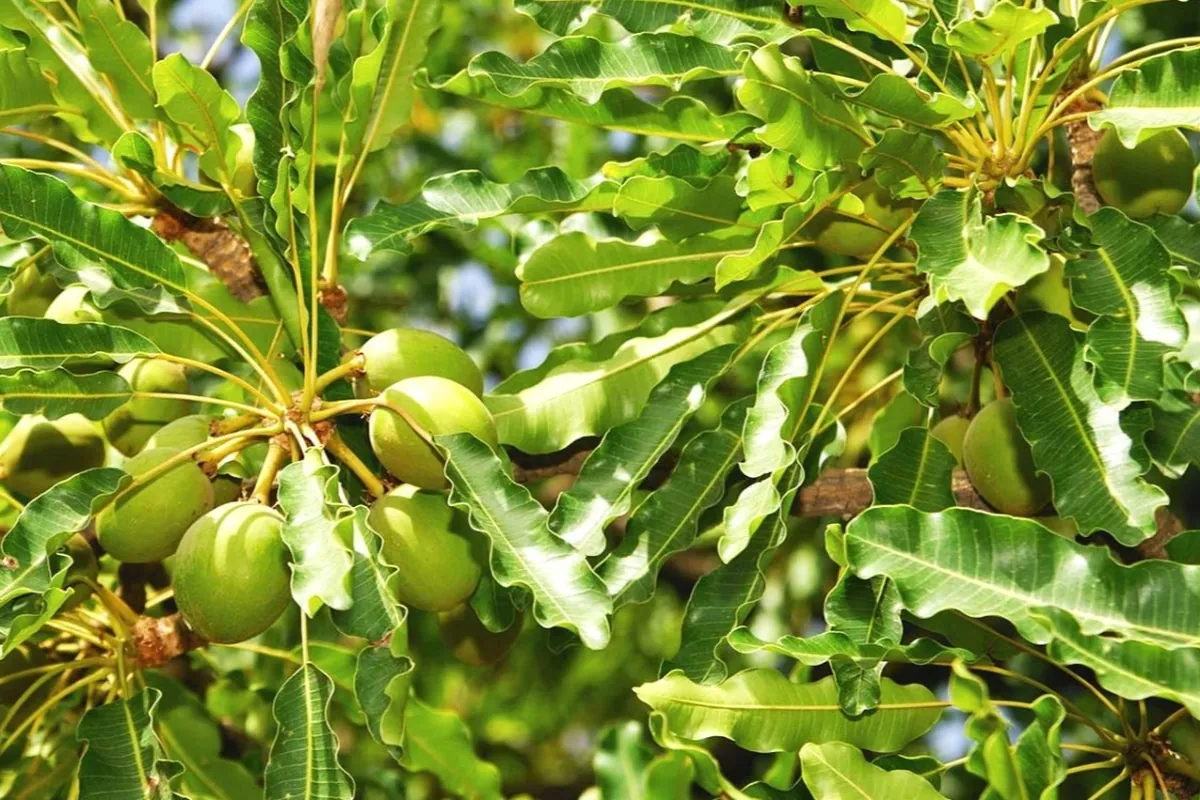 FairWild certification verifies ethical and sustainable wild harvesting.
Innova Market Insights data indicates a 20% growth in ethical claims for personal care launches from 2021 to 2025. The market researcher says the rise reflects growing consumer demand for transparency and sustainability across the beauty industry.
Building a FairWild portfolio
BASF says Cegesoft SB 45 TR’s lipid fraction of natural shea butter offers a soft and smooth skin feel and long-term moisturization. It has been dermatologically tested for skin tolerance.
The ingredient can also be used across a range of cosmetic formulations.
The accreditation makes Cegesoft SB 45 TR the second BASF Personal Care ingredient to achieve FairWild certification. Previously, Oximony, an extract of FairWild-certified Lysimachia christinae that supports skin longevity, gained the designation.
“FairWild certification confirms that environmental protection, traceability, and fair practices for collecting communities are embedded throughout the sourcing process, helping our customers meet growing consumer expectations for transparency and responsibility,” says Zagirova.
Shea supply under pressure
Traceability in the shea supply chain is under growing strain. Last year, Nigeria — the world’s largest shea nut producer — banned raw shea nut exports, collapsing nut prices and cutting market access for the women who collect and sell the kernels.
Aaron Adu, managing director of the Global Shea Alliance, previously told Personal Care Insights that abrupt export restrictions can disrupt documented supply flows. He warned that the changes “complicate certification compliance, and create reputational risk for brands” unable to demonstrate ethical sourcing. 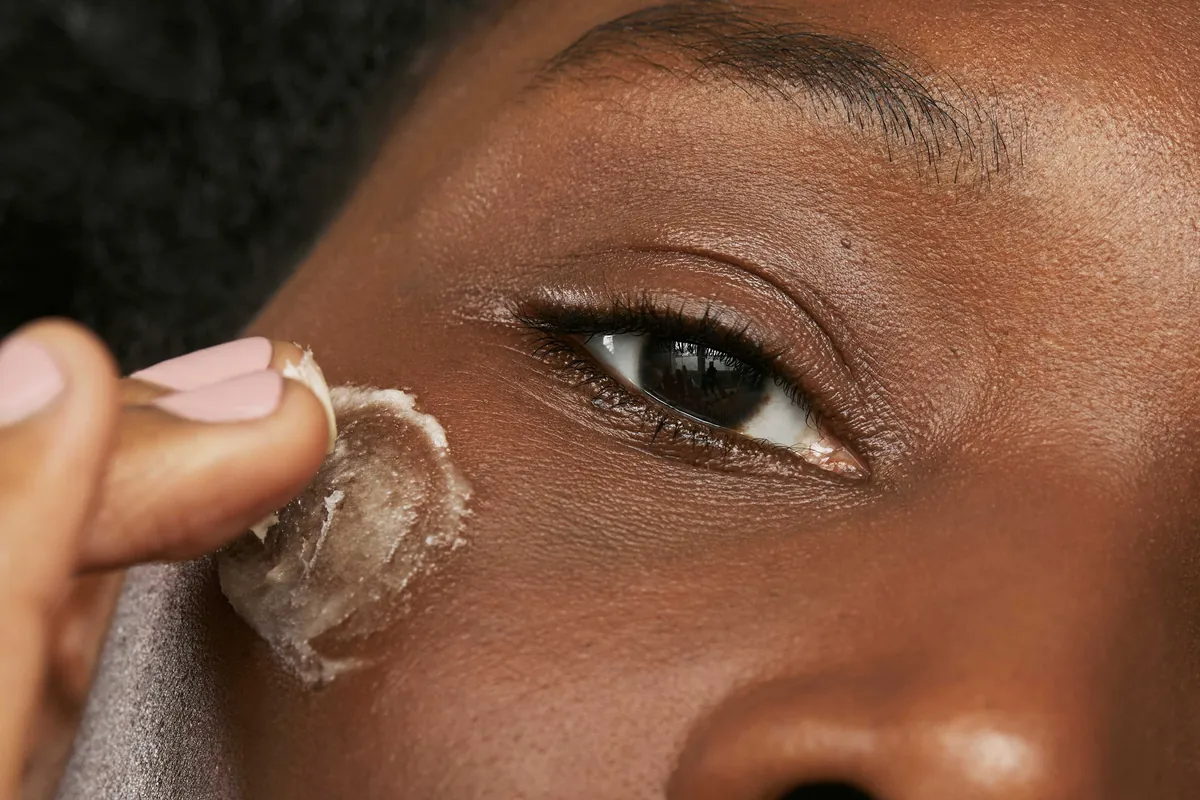 Women collect and process shea nuts by hand across West Africa.
He added that buyers would need to diversify sources or invest in local processing partnerships to secure long-term, verifiable supply.
Industry players are investing at the source of shea. Beiersdorf and AAK recently expanded their collaboration in Ghana with parkland management training for thousands of women, tree planting, and borehole renovations to improve access to clean water.
For Adu, the shea indsutry must go beyond the product. “Sustainability is not just about products — it’s about people,” he told us, urging brands to give visibility to the women behind the ingredient, as women make up 96.2% of processors.