


Performance over prestige: Rise in “dupe” demand challenges premium beauty


Key takeaways
- Economic pressure and fast-moving social media trends are driving consumers toward beauty dupes over premium products.
- Premium beauty products cost 347% more than dupes on average, and customer satisfaction levels are often similar.
- Luxury beauty brands must demonstrate the added value of their products beyond the brand name alone.
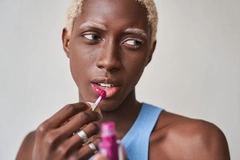
Google and TikTok searches for alternatives to viral luxury products and brands are sharply climbing, according to a new study by Fresha. The surge in demand for “dupes” is driven by tightening economic pressures and the rapid pace of social media trends, which collectively impact consumers’ purchasing decisions. Beauty buyers are prioritizing product performance over premium beauty brand names.
“Dupe” culture is when cheaper products offering comparable performance to the originals raise the bar for premium beauty brands to justify their pricing.
The UK-based study found that the term “dupes” generated 1.2 million searches in one month, representing a 4% increase over the previous quarter.
“The data shows that consumers are actively searching for alternatives to the most talked-about beauty brands, particularly Sol de Janeiro, Charlotte Tilbury, Rhode, and Drunk Elephant,” Annabelle Taurua, beauty expert at beauty platform Fresha, tells Personal Care Insights.
She attributes the increase in dupe searches partially to the speed at which social media trends rise and fall. Consumers want to be part of viral beauty momentum, but economic uncertainty prompts them to reassess how often they can afford to partake.
In this space, dupes have emerged as a middle ground for many consumers, striking a balance between the appeal of luxury beauty and realistic budget constraints.
According to the report, dupes achieve customer satisfaction levels that are on par with, or exceed, those of their original premium counterparts. However, the original premium products cost, on average, 347% more than their dupes.
“People still want to participate in beauty trends, but they’re increasingly doing so in a more cost-conscious way. They’re looking for products that deliver the same experience and results, without the premium price tag,” Taurua says.
“When a dupe performs well… brand name becomes less of a deciding factor.”
As the demand for dupes rises and consumer spending shifts toward cheaper alternatives, premium brands may need to reassess how they justify their value.
.webp) Economic pressures and social media’s pace are driving beauty consumers to prioritize performance over brand names.“If a dupe can offer similar performance at a fraction of the price, luxury brands need to demonstrate clear added value beyond the product’s basic function,” explains Taurua.
Economic pressures and social media’s pace are driving beauty consumers to prioritize performance over brand names.“If a dupe can offer similar performance at a fraction of the price, luxury brands need to demonstrate clear added value beyond the product’s basic function,” explains Taurua.
Budgeting viral buzz
Fresha analyzed 97 premium beauty brands to identify which brands British consumers most often search for dupes of. Sol de Janeiro ranked first, with 69,600 UK searches per year for brand dupes. Charlotte Tilbury ranked second (24,000) and Drunk Elephant ranked third (14,160).
Premium brands continue to influence people, but consumers are increasingly driven by performance in their purchase decision-making. Taurua explains that luxury brands set the benchmark, but consumers now expect more affordable products to meet or come close to that standard.
The global beauty platform found that product-led dupe searches are also a strong trend. Charlotte Tilbury’s Magic Cream was ranked as the most searched-for product dupe, with searches totaling 46,800 per year.
Rhode’s Glazing Milk and Estée Lauder’s Double Wear Foundation ranked second (21,480) and third (17,280), respectively.
According to Taurua, the figures point toward a shift in consumers’ spending mindset. “It suggests that premium beauty remains aspirational but not always practical.”
“Consumers admire these brands, but the current economic climate means not everyone can justify frequent premium purchases, especially as social media trends move quickly. As a result, people are more open to trying lower-cost alternatives that still let them feel part of the conversation,” she says.
.webp) Cheaper products with comparable performance to the originals raise the bar for premium beauty brands.Price pipeline
Cheaper products with comparable performance to the originals raise the bar for premium beauty brands.Price pipeline
Dupes’ rising popularity harms and benefits premium brands.
“Dupes increase visibility for premium brands by spotlighting their hero products and keeping them culturally relevant. At the same time, if consumers feel they can achieve a similar effect for much less, it can divert purchases away from the original,” says Taurua.
In many cases, dupes act as an entry point to premium products. Consumers try the cheaper version first, then later decide to invest in the premium product.
However, Taurua tells us that when consumers pay significantly more for a product, they expect more — whether that justification is visible in superior formulation, packaging, sensorial experience, or long-term results.
Fresha’s findings indicate that consumers are often equally, if not more, satisfied with a dupe’s performance as they are with the original’s. When the performance debate is unnecessary, then the only decisive factor remaining is the 347% price difference.
“While ingredients or concentrations may differ, the real-world performance, how the product feels, applies, and delivers results, often meets consumer expectations,” Taurua says.
While consumers are not completely turning away from premium brands, they are being more selective. Tuarua explains that consumers are willing to mix high and low-priced products depending on the product category, performance, and the trend cycle.
“Social media platforms such as TikTok and Instagram provide consumers with access to reviews, tips, and visual demonstrations and results that help inform their purchasing decisions,” she says.
“For brands, transparency, strong product claims, and clear value will matter more than ever.”