




Health Canada loosens fragrance allergen labeling requirements

Key takeaways
- Health Canada has revised its allergen disclosure rules, making disclosure of fragrance allergen concentrations mostly optional.
- The 2024 amendments align Canada’s regulations with the EU, requiring mandatory allergen disclosure for cosmetic ingredients on the Cosmetic Ingredient Hotlist.
- Starting in 2026, new products must disclose 24 fragrance allergens, and by 2027, existing products must comply with these updated requirements.
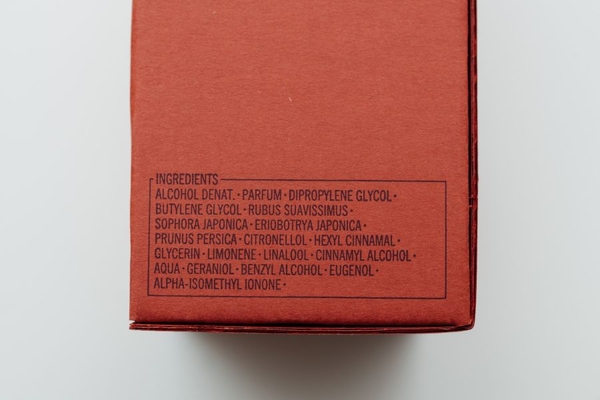
Health Canada has notified stakeholders that it has revised its approach to allergen disclosure in cosmetic fragrances. Although fragrance allergens must still be included in the Cosmetic Notification Form (CNF), in most cases, brands no longer need to disclose the individual fragrance allergen concentrations.
In 2024, Canada amended its Cosmetic Regulations by adding additional requirements to better align with the European Union’s regulations. However, Health Canada has revised its standing.
Disclosure of allergen concentrations in the CNF is now mostly optional. Only disclosure of allergens restricted under Canada’s Cosmetic Ingredient Hotlist may be mandatory.
Under the 2024 amendments, it was mandatory to designate a Canada-based Responsible Person. The full concentration of fragrance allergens was also to be disclosed in the CNF if more than 0.01% in rinse-off products and 0.001% in leave-on products.
Upcoming deadlines
The disclosure requirements for certain allergens on fragrance labels will come into effect on April 11, 2026. Health Canada’s fragrance allergen list was adopted directly from the EU’s Annex III fragrance allergen list.
Starting in April, new-to-market and existing products must disclose the original 24 fragrance allergens listed in Annex III of the EU Cosmetic Regulation if the ingredients are present at concentrations exceeding the previous thresholds.
Additionally, from August 1, 2026, new-to-market cosmetics must disclose the 56 additional fragrance allergens set to be added to the EU’s Annex III in July 2026, when present above the same concentration thresholds of above 0.01% in rinse-off products and 0.001% in leave-on products.
By April 11, 2027, the same disclosure requirements for the 56 additional allergens will apply to existing cosmetic products if they exceed the previously outlined concentrations.