


US FDA proposes first new sunscreen active in over two decades


Key takeaways
- The FDA has proposed adding bemotrizinol to its sunscreen monograph, signaling the first major expansion of approved UV filters in over 20 years.
- Bemotrizinol provides broad-spectrum UVA/UVB protection with low skin absorption.
- The move reflects broader over-the-counter reform under the CARES Act and aligns US sunscreen regulation more closely with global standards.

The US Food and Drug Administration (FDA) has proposed expanding its list of active ingredients for use in sunscreen for the first time since 1999. The government agency is adding bemotrizinol in an effort to advance sunscreen innovation.
Data on bemotrizinol shows it protects against UV rays A and B, with a low level of absorption through the skin, and rarely causes irritation.
If finalized, bemotrizinol will be recognized as a safe sunscreen active ingredient for adults and children above six months old.
“The agency has historically moved too slowly in this area, leaving Americans with fewer options than consumers abroad. We’re continuing to modernize the regulation of sunscreen and other over-the-counter drug products,” says FDA Commissioner Marty Makary.
“Americans deserve timely access to the best safe, effective, and consumer-friendly over-the-counter products available.”
The American Academy of Dermatology (AAD) applauds the FDA for taking this action, saying it’s the first step in over two decades to provide safe and effective sunscreen options.
Need for new ingredients
dsm-firmenich submitted the request to the FDA to add bemotrizinol at concentrations up to 6% as a new active ingredient in over-the-counter sunscreens.
“Bemotrizinol would be a welcome addition to the current array of effective sunscreen active ingredients already available to American consumers,” says Karen Murry, acting director of the Office of Nonprescription Drugs.
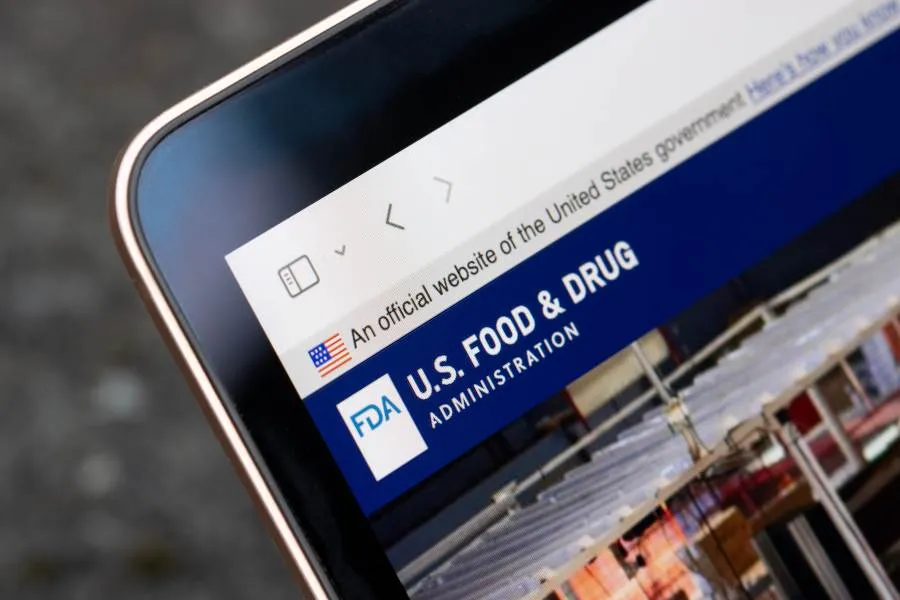 dsm-firmenich submitted the request to the FDA to add bemotrizinol to the list.“The reforms to the monograph drug system contained in the CARES (Coronavirus Aid, Relief, and Economic Security) Act have greatly streamlined the monograph drug regulatory process.”
The FDA says over-the-counter monograph drugs, including sunscreens, can enter the market without approval if specific requirements are met. These requirements establish conditions outlined in its monograph, including permitted active ingredients, dosing, and uses.
However, the FDA can modify an over-the-counter monograph through an administrative order, and the company must then submit a request.
Earlier this year, US lawmakers introduced a bill to reform how the FDA evaluates and approves over-the-counter sun protection. The SAFE Sunscreen Standards Act would increase the availability of sunscreen options in the US to align with global standards.
Bemotrizinol has already been marketed as a sunscreen ingredient in other countries, says the FDA, but the administration has not previously approved an application for a drug containing bemotrizinol.
Urges for public protection
Exposure to UV rays is a significant risk for skin cancer if not protected against. The AAD says it is estimated that one in five Americans will develop skin cancer throughout their lifetime. The most deadly form of skin cancer — melanoma — takes 20 American lives per day.
The World Health Organization (WHO) has recently emphasized the need for regulatory reform on sunscreens, citing increased global demand. In September, the WHO added sunscreen to its Model List of Essential Medicines, officially recognizing it as a necessary tool for global health.
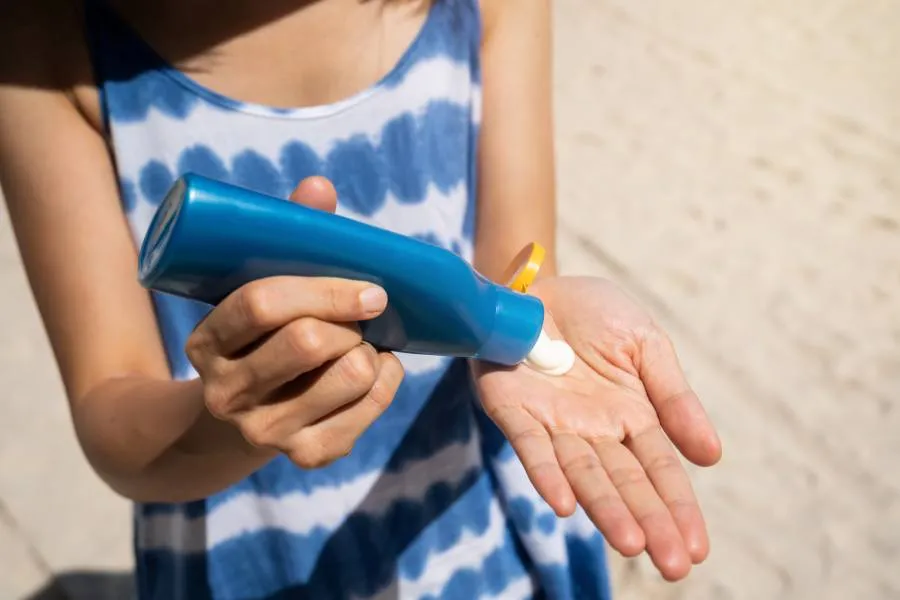 Sunscreen is transitioning from a cosmetic product to a preventive health essential.Following its designation, sunscreen is transitioning from a cosmetic product to a preventive health essential that governments may begin to purchase directly.
During Skin Cancer Awareness Month in May, the Skin Cancer Foundation released new recommendations on sun protection amid misinformation spread on social media. In recent years, an anti-SPF movement has circulated, and many “health influencers” have promoted the idea that direct sun exposure is healthier than using sunscreen.
With the new proposal, the FDA advises the public to use sunscreen and other protective measures, such as wearing sun-protective clothing and limiting sun exposure time.
It is currently seeking public comments on the proposed order to add bemotrizinol to the list.
“We look forward to working with other companies on bringing products containing other new active ingredients to market for a wide array of conditions in multiple therapeutic areas, in a much more timely fashion than was possible in the past,” says Murry.