


Galderma buys ZO Skin Health for US$1.5B to expand dermatological skin care

Key takeaways
- Galderma is buying ZO Skin Health from Blackstone and the Obagi family for US$1.5 billion in cash.
- The price is roughly 4.5 times ZO’s US$330 million annual sales, above the sector norm, and will dilute margins in 2027.
- ZO’s retinol- and acid-based protocols complement Alastin, lifting Galderma to a 19% share of the US physician skin care channel.
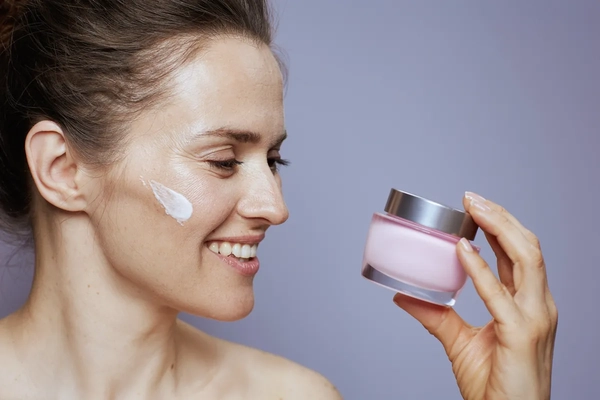
Galderma has signed an agreement to acquire all of ZO Skin Health for US$1.5 billion from its shareholders, including funds managed by Blackstone Tactical Opportunities and the Obagi family.
ZO Skin Health has a product portfolio of over 40 products, such as cleansers, serums, exfoliators, and toners. The physician-dispensed skin care brand is built on clinical science and protocol-based daily care.
The acquisition enhances Galderma’s Dermatological Skincare portfolio. The Swiss conglomerate owns Cetaphil, Alastin Skincare, Differin Epiduo acne gel, injectable neurotoxin Dysport, and dermal filler brand Restylane.
“This acquisition is another important step toward building the world’s most innovative dermatology portfolio, strengthening our offering in an area where we already have significant capabilities,” says Flemming Ørnskov, MD, MPH, CEO at Galderma.
The all-cash transaction is subject to customary adjustments and will be funded through a combination of existing cash reserves and bank financing. The deal is expected to close in the fourth quarter of 2026 or early 2027, subject to regulatory approvals and other customary closing conditions.
Deepening US footprint
ZO Skin Health recorded net sales of approximately US$330 million in the last twelve months as of June 2026. The US$1.5 billion price tag for the brand is roughly 4.5 times its annual sales.
The medical-grade skin care brand is based in the US, and the acquisition deepens Galderma’s push into its largest market. The US accounted for US$1.37 billion, or nearly 44%, of Galderma’s first-half sales, up 32.3% year-on-year. In August, the company opened a US and Latin America headquarters in Miami.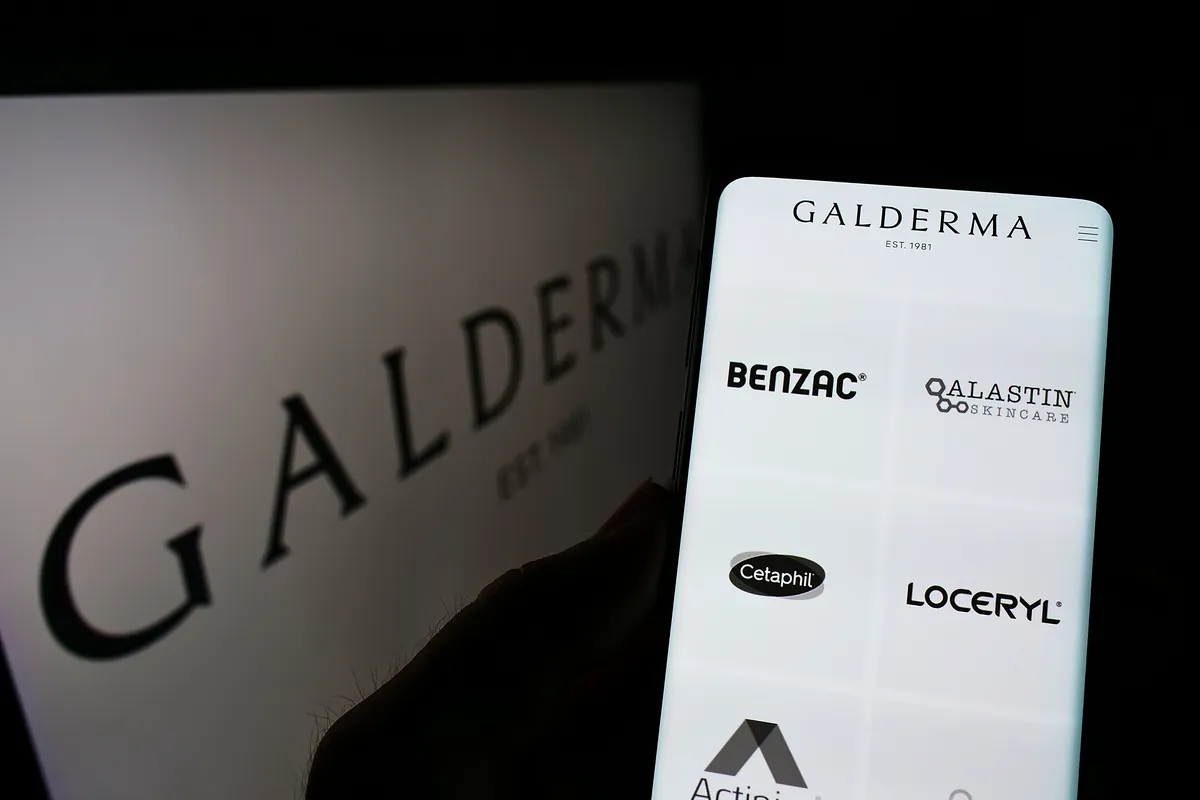 Galderma pairs ZO’s retinol-based protocols with Alastin’s peptide-led pre- and post-procedure care.
The deal also carries implications for L’Oréal, which recently doubled its stake in Galderma to 20% after taking an initial 10% in August 2024. Through that stake, the world’s largest beauty group gains indirect exposure to the physician-dispensed channel without competing directly with its own Skinbetter Science and CeraVe brands.
Galderma shares showed little reaction to the announcement, closing down 0.48% at CHF 167.35 (US$211) in Zurich, Switzerland, the day before. The muted response suggests investors had already priced in the deal, which Reuters broke on October 13.
The skin care company plans to increase commercial investment during the first year of ownership to strengthen the foundation for renewed growth, beginning in the second year following closing.
The transaction is expected to be slightly dilutive to the group’s core EBITDA margin in 2027 and to achieve a margin broadly comparable with the group’s average from 2028 onwards.
Complementing Alastin
ZO Skin Health is manufactured in the US and sold through a network of over 16,500 physicians, medical spas, and online accounts across more than 40 countries. In 2007, it was founded by dermatologist Dr. Zein Obagi, whose initials give the brand its name.
The brand’s daily regimen-based portfolio, centered on retinol- and acid-based protocols, is complementary to Alastin’s highly differentiated peptide-based regenerative pre- and post-procedure offering. Galderma plans that together the brands will enable the company to better serve health care professionals and their patients.
“ZO Skin Health brings strong clinical credentials, a distinctive protocol-based approach, and a trusted position among dermatologists and plastic surgeons. We see significant opportunities to reignite its growth through investment in innovation and commercial reach,” says Ørnskov.
“With our Dermatological Skincare and Injectable Aesthetic businesses, Galderma is strategically positioned to compete for and win the attractive growth opportunities in the fast-growing medical-grade skin care segment.”  ZO Skin Health sells more than 40 products through 16,500 physician and medical spa accounts.
Through its Integrated Dermatology Strategy and global presence, Galderma has a track record of supporting innovative, science-led brands with research and development, skin care education, commercial capabilities, and geographic expansion. The transaction underscores Galderma’s commitment to investing in internal and external opportunities that strengthen its portfolio and support the company’s long-term growth.
Blackstone cashes out
Blackstone acquired ZO through its tactical opportunities fund in 2020. The announced acquisition’s timing suggests a seller cashing out.
Blackstone has more than doubled revenue during its ownership, but has been exploring a sale since at least September, Reuters reported.
Galderma’s bet is that scarcity in the segment justifies the price. ZO and Alastin together give the company a 19% share of the US physician skin care category, up from 12.7%, according to Kline + Co.
Galderma is moving into a space where strategic buyers are competing for physician-dispensed brands, drawn by their clinical credibility and steadier demand than over-the-counter skin care. The appetite extends across price tiers. This month, L’Oréal launched Korean dermatologist-founded brand Dr.G in the US via TikTok Shop, citing growing American demand for clinic-inspired, high-performance formulas.