

“Gen Next” treats beauty claims as guilty until proven innocent, report finds

Key takeaways
- Gen Z and Gen Alpha demand clinical evidence, transparent claims, and authentic reviews from personal care brands.
- Younger consumers increasingly view skin as a reflection of sleep, diet, stress, and overall wellness.
- Gen Next shows strong interest in beauty technology but widespread opposition to GLP-1 drugs.

Cafeteria has found that Gen Z and Gen Alpha are using their skin as an indicator of wellness, are far more skeptical of disingenuous marketing, and are “philosophically opposed” to GLP-1 drugs.
The intelligence platform for understanding young consumers’ Next Gen Spenders: Health + Wellness Report compiled 240 hours of in-app, private text and voice notes with over 1,400 Gen Z and Gen Alpha participants to analyze their consumption habits and sentiments. The company’s findings analyzed the variables that younger generations, dubbed Gen Next, are increasingly factoring into their purchase power, such as trust and moral implications.
Marisol Estrella, cultural insights lead at Cafeteria, tells Personal Care Insights that Gen Z and Alpha are using their skin as a “wellness receipt,” and how personal care brands can increase their credibility with the critically-minded demographic.
Proof over promises
In a saturated marketing environment driven by social media and trend-driven product launches, Gen Z and Gen Alpha are highly skeptical of product claims, influencer sponsorships, and AI use in marketing.
The digitally native generations “treat every product claim as guilty until proven innocent,” says the report. One in five participants named research, clinical evidence, third-party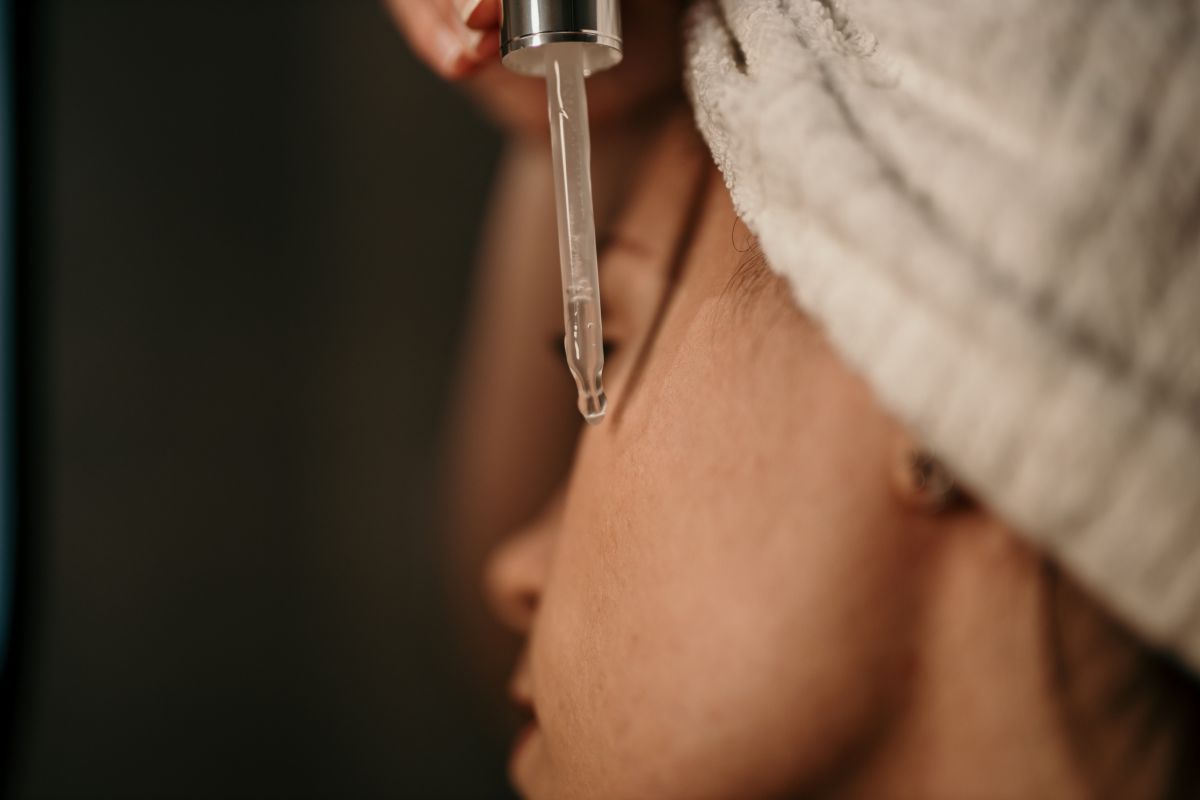 Younger consumers demand clinical evidence and transparency from personal care brands. testing, and real numbers as the top trust drivers.
“For personal care specifically, they expect third-party testing called out by name — one participant put it as needing a supplement or product ‘third-party tested, specifically for things that are known contaminants,’” says Estrella.
Reviews act as a trust currency for approximately 15% of consumers, and are only effective if the site is not affiliated with the brand, according to Estrella. Gen Next is also critical of reviews that read “too perfect” and that a bad review is a sign of a genuine product.
In the eyes of the highly ingredient-literate generation, vague product claims could deteriorate trust in brands. Estrella explains that cosmetic claims should name ingredients and what they do. She recommends brands detail targeted uses.
“‘Best for oily and combination skin; sensitive skin should patch test first’ beats ‘works for all skin types,’” says Estrella.
She tells us that “anything that smells paid” actively reads as a scam. “Nearly a third of female participants flag sponsorship, affiliate links, and coupon codes as instant disqualifiers — about double the male rate.”
AI use is also a dead giveaway for “scam-coded” marketing. AI voices, images, or AI-sounding copies trigger an instant disconnect for Gen Next.
Additionally, the report underlines a gender discrepancy in AI trust, with 65% of female participants ranking chatbots as the most distrusted in health-related information compared to 46% of male participants.
Skin as wellness metric
Estrella tells us that a quarter of female and non-binary young consumers between 14 and 26 years old use their skin as a diagnostic of overall health. Gen Next consumers increasingly view healthy skin as a reflection of overall wellness.
“They read breakouts and dullness as signals of sleep, diet, and stress, so they know a serum has a ceiling,” she explains.
Products that acknowledge these limitations and position themselves as working alongside those inputs, not promising standalone results, stand to benefit from Gen Next trust, the platform’s findings indicate.
“This makes calming/de-stress positioning (the cortisol-skin link) credible, in a way anti-aging isn’t yet,” she says.
Furthermore, in reading their skin as an indicator of what their body needs, young consumers are shopping by moment, rather than by skin type. Estrella tells us that, for example, a week with no sleep and junk food, or exam season, will impact their purchases, “favoring products based on the moment over the usual oily/dry/combo.”
She says the down-to-earth, realities-of-day-to-day-life approach to product positioning can be beneficial for brands. “Flawless-skin influencers can read as less credible, because perfect skin implies a perfect life. Healthy skin with the occasional blemish, in real-life moments, feels more achievable.”
One participant from the report underlines that, while she trusts “almost all the Medicube products,” the K-beauty skin care brand’s affiliation with the Kardashians and Alix Earle tarnished her trust.
“Because I feel like all those people already have beautiful skin, and there’s no way to really show it. It makes things more believable if I can see real results from real people and not paid promotions,” she says.
Tech for teens
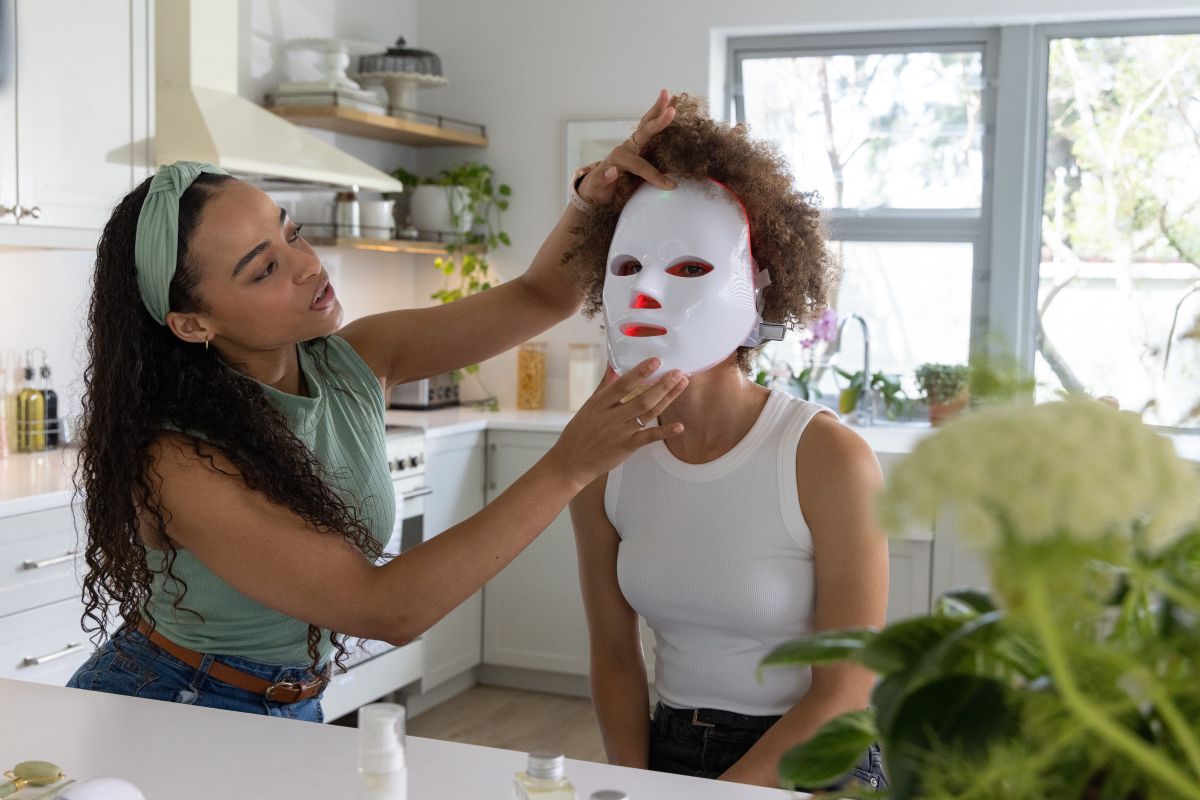 Red light therapy is gaining interest among younger beauty consumers.The report also found that Gen Next is turning to wearable technology and red light therapy for wellness and personal care.
The red light category sees a differentiation between male and female participants. Female participants treat red light therapy as skin care, while male participants see it as recovery tech. A majority of female participants are interested in red lights, with 62% of them expressing interest compared to 42% of male participants.
For female participants, the primary reason to use red light therapy is skin improvement, with 37% ranking it in first place. “Acne is the present-tense hook and the anti-aging future bet,” says the report.
Male participants uniquely flag hair regrowth (7%) as a key benefit.
“I’m interested in this because I see a lot of people online, whether it’s ordinary people or celebrities, and they really talk about the benefits of red light therapy and how it can help reduce wrinkles and clear your skin, but also help with hair growth and just make your skin ultimately healthier,” says a male participant.
In wearables, the report finds that over 57% of Gen Next have techwear “on their wrist or on their wishlist.”
Tapping this trend, The90 recently released a necklace that tracks real-time UVA and UVB exposure and translates the data into personalized guidance. The necklace, alongside its companion The90 app, is touted as “the first” personal sun intelligence system.
GLP-1 opposition
Gen Next is overwhelmingly against GLP-1 treatments, with 72% of participants in Cafeteria’s research rejecting their widespread use. The young generations’ core objections extend Most young consumers surveyed expressed opposition to GLP-1 drugs. beyond the aesthetic side effects and long-term impacts, expanding to moral and societal dynamics.
The term Ozempic Face has garnered increasing attention. It refers to the loss of skin laxity and subcutaneous fat due to sudden weight loss associated with GLP-1 use.
For Gen Next, a visibly deteriorating body — as a consequence of GLP-1 use — described as “sickly, skeletal, withering” is a deeply undesirable prospect. They also see GLP-1 use as “a medicine with a victim,” citing the moral implications of the mass consumption of a drug made for diabetics, reducing access to those who medically need it.
“Eight percent of the female participants who passed [on the drugs], frame GLP-1s as diabetes medicine borrowed by people who don’t need it. A smaller, vocal group points to the shortages and price hikes it creates for the people who do need it,” says the report.
“I do not believe in using medication that’s made for diabetic patients for cosmetic reasons. I don’t think it’s safe, nor do I think it’s morally correct. I don’t like that at all,” says one participant.
Some are also concerned about the societal connotations of “using drugs to look like skeletons,” according to one participant. They see GLP-1s as a revival of the 2000s “celebrity-fueled skinny epidemic.”
Together, the report’s findings point toward a generation increasingly focused on holistic wellness, credibility, and aesthetic trends that must pass the test of moral and societal standing alongside efficacy positioning.