
Neutrogena challenges viral beauty misinformation with science-led campaign

Key takeaways
- Neutrogena’s Break the Rules campaign encourages consumers to prioritize scientific evidence over viral skin care advice.
- The campaign begins with retinol, an ingredient that attracts strong consumer interest but remains associated with irritation concerns.
- Social media is increasingly shaping skin care routines, but experts warn that viral advice can lack scientific support.
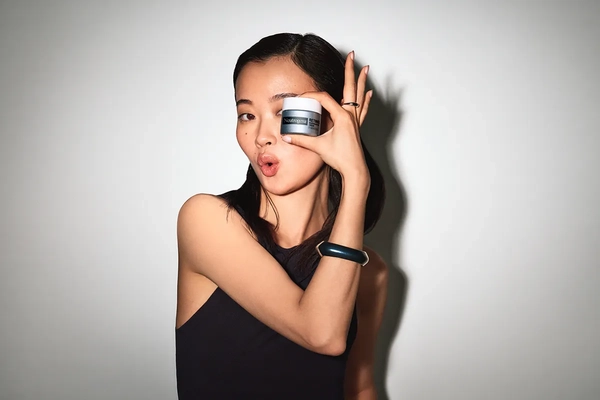
Neutrogena has launched a campaign to help consumers cut through the overwhelming amount of beauty information online and choose their products based on science, rather than social media hype.
The brand’s mission, Break the Rules, aims to challenge the growing notion that skin care advice can feel like a set of rules to follow. Neutrogena maintains that dermatologist-backed science makes skin care easier to use and trust.
“Patients now come in with routines built from social media — and often, half of it isn’t right for their skin. My advice: look for the science behind a product, not just the virality,” says Dr. Joshua Zeichner, associate professor of Dermatology at Mount Sinai Hospital, New York City.
The campaign’s first target is retinol. According to Neutrogena, retinol is an ingredient many beauty consumers want to use for its anti-aging benefits, but steer away from for fear of skin irritation.
Raging for retinol
Neutrogena has a long history with retinol. It was the first brand to launch a face cream with the ingredient in the US mass market in 1997. Since then, retinol has grown in popularity and name recognition, but Neutrogena maintains that the ingredient is still widely misunderstood.
Innova Market Insights data indicates that, in 2025, 31.3% of US consumers said they were interested in retinol as a skin care ingredient, and 15% in retinol alternatives.
The brand says there are approximately 60,000 average monthly online searches for retinol, and that social listening found nearly 17,000 consumer posts about it on TikTok and Instagram in the US, between January and May 2026.
The conversations often center on the conflict between wanting results and fearing the skin irritation associated with retinol use.
.webp) Neutrogena’s campaign encourages consumers to look beyond viral skin care advice and consider the science behind their products.The new campaign spotlights Neutrogena’s Rapid Wrinkle Repair Retinol Regenerating Cream, boasting its combination of retinol and hyaluronic acid as gentle.
Neutrogena’s campaign encourages consumers to look beyond viral skin care advice and consider the science behind their products.The new campaign spotlights Neutrogena’s Rapid Wrinkle Repair Retinol Regenerating Cream, boasting its combination of retinol and hyaluronic acid as gentle.
The campaign is rolling out across TV and social channels, including Instagram, TikTok, and YouTube. In the coming months, Neutrogena will expand the campaign through partnerships with online creators.
Furthermore, the brand is the official skin care and sun care sponsor at the upcoming Lollapalooza music festival, where it will also deploy campaign materials.
Advise or mislead?
Social media has been playing an increasing role in skin care routines in the past few years. With more content being rolled out from amateur creators, beauty advice has taken many different shapes, and experts increasingly warn of the soundness of the discussions.
The American Academy of Dermatology (AAD), for example, warned against “problematic” safety of social trends like Russian manicures, “glass-skin,” and at-home red light therapy.
“Some of these trends may seem harmless or even beneficial [but] they often don’t have any real science behind them and could end up causing skin damage or other health issues,” Amit Om, a board-certified dermatologist in Charlotte, US, said.
Younger generations such as Gen Z and Gen Alpha are particularly caught in the crossfire of online beauty discourse. They make up a large part of the platforms’ permanent audience and have a desire to participate in viral trends.
The demographics’ alignment with what it perceives to be fashionable can go to extreme lengths. Previously, the AAD published data showing that 28% of Gen Z survey respondents said getting a tan was more important to them than preventing skin cancer.
“Image is so important to this age group,” said Seattle-based board-certified dermatologist Heather D. Rogers.
.webp) The campaign initially focuses on retinol, addressing consumer demand for anti-aging results without irritation.While social media can be a tool to educate consumers, beauty giants have admitted that widespread misinformation persists, and multiple industry efforts have aimed to fill the education gap.
The campaign initially focuses on retinol, addressing consumer demand for anti-aging results without irritation.While social media can be a tool to educate consumers, beauty giants have admitted that widespread misinformation persists, and multiple industry efforts have aimed to fill the education gap.
Neutrogena’s campaign marks the latest effort to raise awareness about responsible beauty consumption and promote skin care education.
“Break the Rules is us putting 90 years of expertise to work where consumers need it most, helping move them past the noise and advancing their beauty routines both in terms of aesthetics and clinical efficacy,” says Chris Riat, global brand leader at Neutrogena.
Q1 funds campaign
The campaign comes on the heels of parent company Kenvue’s Q1 results and marks an example of the innovation and e-commerce growth that the company says helped drive its performance for the quarter.
Kenvue reported strong results in its Skin Health and Beauty segment, the company’s best performer. Net sales were up 8.4%, organic sales were up 5%, and Neutrogena was called out as a key driver of that growth.
Kenvue’s Skin Health and Beauty growth was supported by innovation and e-commerce expansion, including Neutrogena’s entry into sun care.