



India draft animal testing overhaul raises alarm over cosmetics loopholes

Key takeaways
- India’s draft rules would shift most animal experiment approvals to institutional ethics committees.
- PETA India warns that reduced oversight risks animal tests on cosmetic ingredients under non-cosmetic justifications.
- PETA India urges brands to vet supply chains and regulators to prioritize non-animal methods.
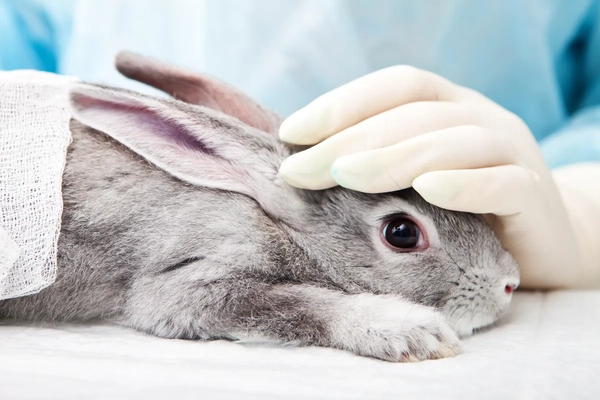
India has proposed an overhaul of animal experiment approval and supervision rules, moving most authorizations from central regulators to institutions’ own ethics committees. PETA (People for the Ethical Treatment of Animals) India warns that the change could open a back door to testing cosmetic ingredients on animals.
In 2014, India banned animal testing for cosmetics and the import of animal-tested cosmetics. The pending Prevention of Cruelty to Animals (Control and Supervision of Experiment, Breeding, and Trading of Laboratory Animals) Rules do not change the cosmetic testing ban — however, PETA India has “serious concerns” about the draft’s weakening of oversight.
Some substances used in cosmetics have non-cosmetic applications, which can muddy clarity and consistency between regulatory frameworks. PETA India says any new framework governing animal experimentation must explicitly reinforce the integrity of existing legal protections for animals. Dr. Noopur Jain, Science & Research Policy Advisor at PETA India, tells Personal Care Insights that the draft currently “fails to do so.”
Jain exemplifies a gap in Europe’s animal testing safeguards, which could serve as a “disturbing warning” for India’s proposal. She details that despite the EU’s cosmetics animal-testing ban, animal experiments continue to be required for ingredients that may be used in cosmetics under its chemicals legislation, Registration, Evaluation, Authorization and Restriction of Chemicals.
PETA India has called for the rules to be withdrawn and reconsidered, arguing they would weaken lab animal protections as India and other countries are making advances in non-animal science.
The draft was published in the Gazette of India on October 6, and its public consultation closed on November 5. The Committee for Control and Supervision of Experiments on Animals (CCSEA) must now consider the objections received before publishing final rules.
Outsourcing risk for overseas companies
The draft covers animal testing that overseas companies commission in India.
Rule 2(g) defines contract research as including work commissioned by both domestic and foreign companies. Meanwhile, Rule 11 would remove the need for prior central CCSEA approval for many experiments, leaving the sign-off to the testing facility’s own ethics committee.
“This combination is troubling. A foreign company could commission animal tests in India, including tests on chemicals that also have cosmetic applications, while benefiting from reduced independent oversight,” says Jain.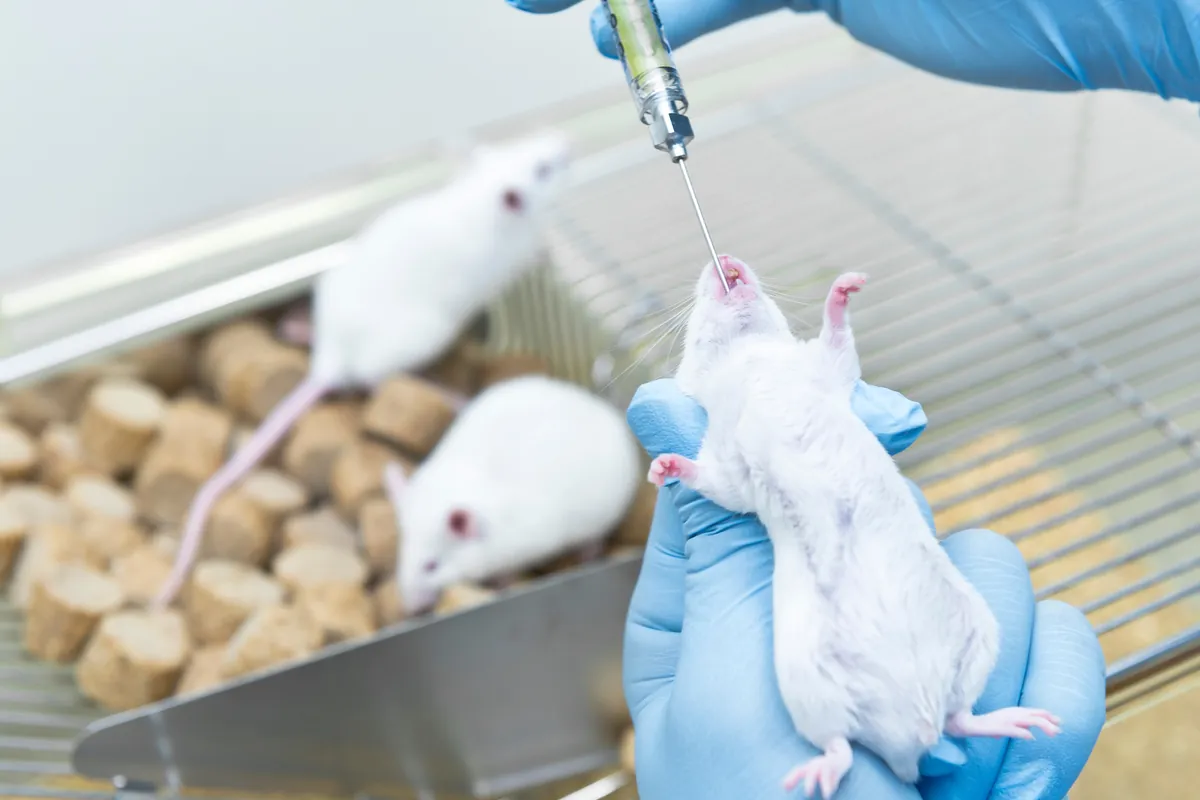 PETA India calls for the draft rules to be withdrawn.
“The fact that a test is commissioned under a chemical-safety or other non-cosmetic justification should not be used to sidestep the protections intended by India’s cosmetics animal-testing ban.”
Jain expresses “serious concerns” that the proposed rules could lead India to become an attractive destination for overseas companies seeking to outsource “cruel and painful” animal experiments under “less stringent regulatory scrutiny.”
“India should build on its leadership in banning animal testing in cosmetics and promote other advanced, human-relevant, non-animal methods.”
Ethics committees gain sign-off powers
PETA India believes non-animal tests must be prioritized through strong independent scrutiny before animal experiments are approved.
Rule 4 of the draft permits animal experiments for broadly defined scientific and regulatory purposes. Rule 3 recognizes that non-animal methods should be used wherever possible.
However, Jain says that the proposed rules, in their current form, “risk eroding years of progress in animal protection and the advancement of non-animal science.”
As a particular concern for risking animal protections, she details Rule 11, which would allow Institutional Animal Ethics Committees to approve experiments classified as mild or moderate without requiring prior approval from CCSEA.
“This is particularly concerning because although the draft requires researchers to personally justify animal use, it does not adequately require independent verification that scientifically suitable non-animal methods have been considered and ruled out before animal experiments are authorized.”
Jain says that the provisions risk making it “easier for unnecessary animal experiments to proceed with reduced independent scrutiny,” including experiments involving chemicals that have cosmetic applications. 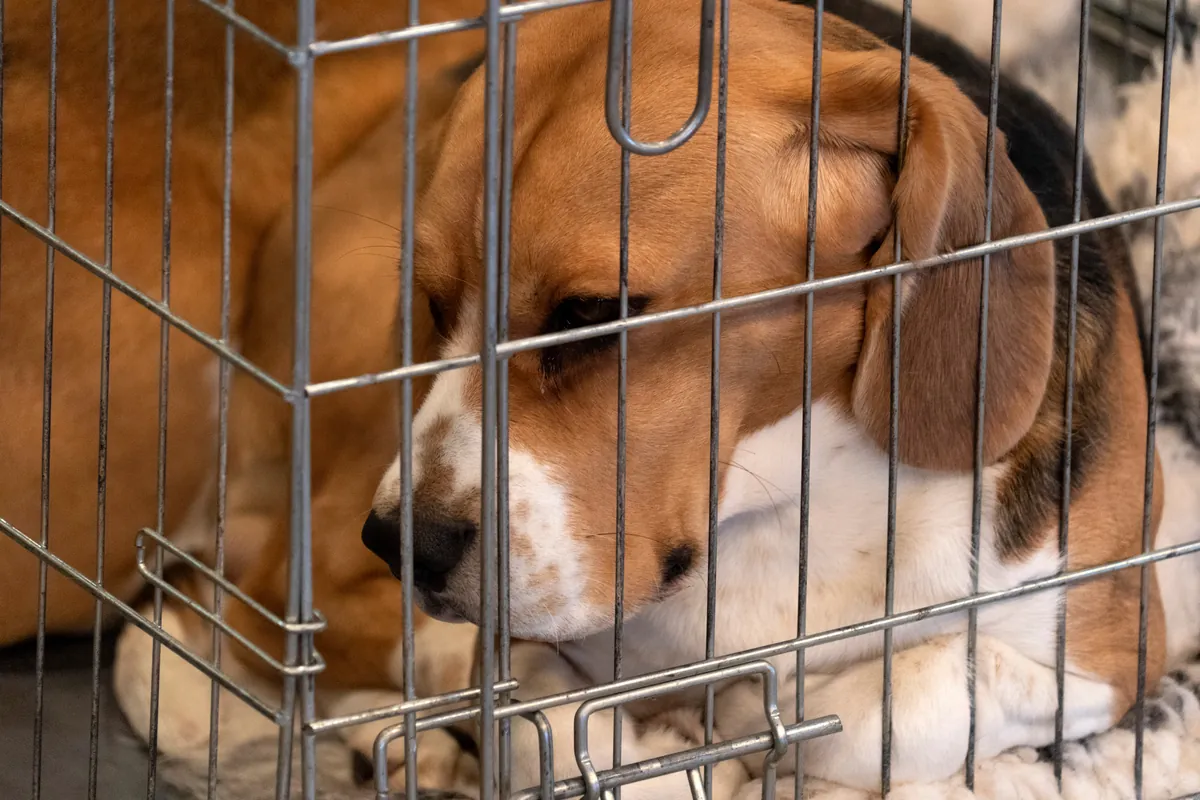 India banned cosmetics animal testing in 2014.
Many cosmetic ingredients are also used in pharmaceuticals, chemicals, or food. An ingredient tested on animals for another sector could potentially end up in beauty products. To address this concern, Jain suggests cosmetics companies set clear expectations with suppliers and “do their due diligence.”
She recommends beauty companies demand transparency about animal testing throughout their supply chains and ensure that neither they nor their suppliers commission animal tests for cosmetic purposes.
“Brands must ensure that neither they, their suppliers, nor contracted laboratories commission or conduct animal tests for cosmetic products or ingredients.”
Beauty leads shift away from animal testing
Jain says that India stands at a crossroads. The country could continue its leadership against animal testing, or slide back toward weaker oversight when the greater cosmetics industry and consumers are looking for cruelty-free products.
“The proposed experimentation rules threaten to take India backward… India must move forward toward a future of humane and human-relevant science,” she states.
The draft comes as regulators elsewhere phase out animal testing. Experts have pointed to cosmetics as the model for change, as the sector has led others in adopting non-animal methods.
In June, the European Commission launched a roadmap to phase out animal tests in chemical safety assessments. It is the EC’s first official commitment to replacing them with non-animal science.
Consumer demand is pushing in the same direction. Innova Market Insights data shows a 20% rise in ethical claims on personal care launches from 2021 to 2025, which the market researcher links to demand for transparency and animal-friendly practices. Additionally, nearly two in five consumers globally see cruelty-free as part of sustainable beauty.
“In response to public demands for non-animal tested products, PETA India expects Indian and multinational beauty companies to stand firmly behind India’s cosmetics animal-testing ban. We ask that they urge that any regulatory changes must protect the integrity of the ban,” says Jain.
Non-animal methods ready for cosmetics safety
Jain stresses that “the science needed to move away from outdated animal tests already exists.” She points to reconstructed human skin and corneal tissue models, human cell-based assays, computational toxicology, AI, organoids, and organs-on-chips. 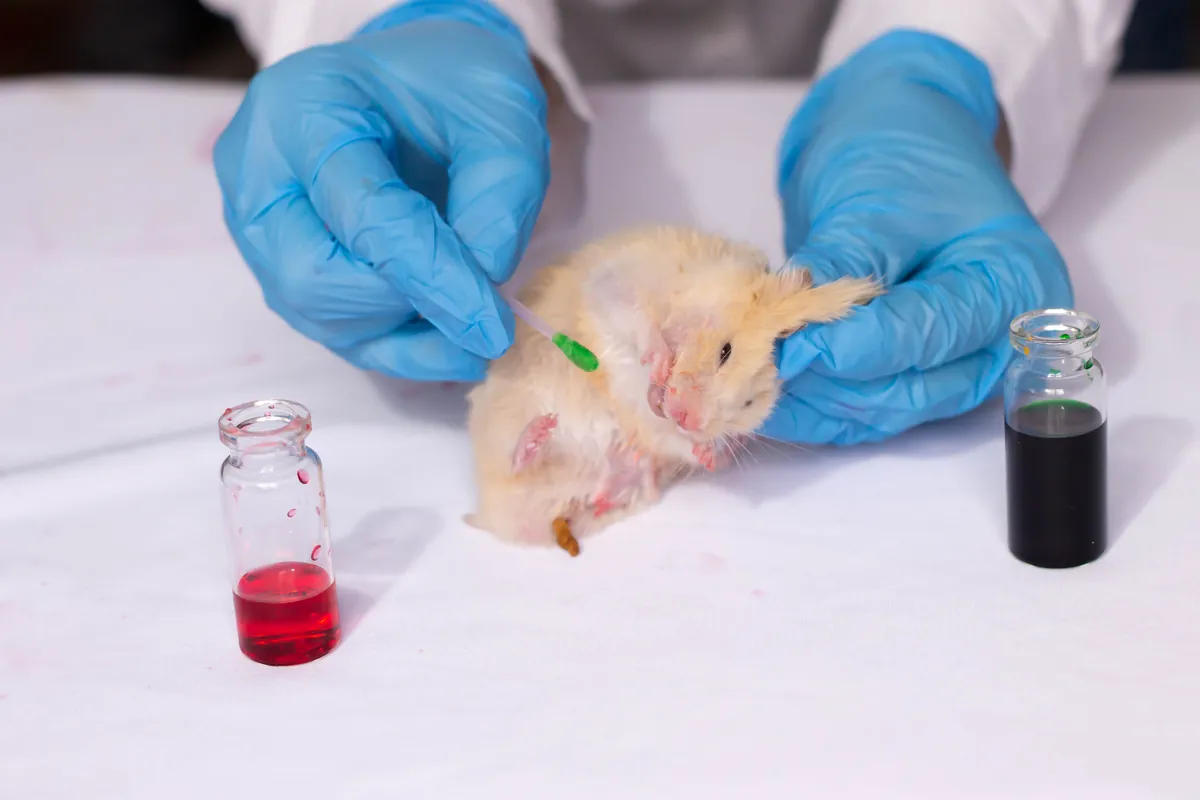 Under India’s proposed rules, ethics committees would approve most animal experiments.
The personal care industry continues to invest in newer tools, such as organoids and bioprinted skin. Industry groups are increasingly pushing for global adoption of these approaches.
Jain argues that wider adoption is held back when regulatory systems accommodate animal experiments without requiring rigorous consideration of available alternatives.
Under the 2023 Administrative Rules, the CCSEA must maintain a database of available non-animal methods. Jain notes that this database has yet to be set up, which she says limits awareness and uptake.
“Stronger regulatory requirements, targeted funding, training, and greater acceptance of validated non-animal methods are essential to ensure that animal experimentation becomes a genuine last resort rather than the default approach,” she concludes.