


Primient says intimate care safety hinges on formulation, not ingredients

Key takeaways
- Primient argues intimate care safety is decided by the finished formulation, not by individual ingredient credentials.
- Formulators must account for vaginal microbiome compatibility and osmolality alongside standard safety testing.
- Propanediol is itself hyperosmotic, so it must be formulated isoosmotic or hypoosmotic to vaginal tissue.

Primient, a producer of plant-based and corn-derived ingredients, has identified that the safety of an intimate product is determined by the finished formulation rather than by any single ingredient.
The company reports that women’s health and menopause care are on the rise, leading many brands to tap into the traditionally underserved market. But as the personal care industry embraces intimate health as a stand-out arena for innovation, dealing with such a sensitive area of the body raises formulation challenges that ingredient-level safety data alone cannot answer.
Sean Gahan, technical services manager of Zemea at Primient, tells Personal Care Insights that the distinction between what an ingredient can claim and what a finished product delivers especially matters in women’s care, where brands build their marketing around single hero ingredients.
Consumers are also getting harder to satisfy with a single named ingredient. They want products built for a specific life stage, and want to know what the claims rest on.
Innova Market Insights places “Tailored Touchpoints” at the top of its Top Personal Care Trends 2026, followed by “New-age Longevity” and “Crunch Over Fluff.” The market researcher notes that these trends are reshaping women’s wellness as consumers seek more personalized, age-specific, and science-backed solutions.
Beauty companies are capitalizing on the growing sector with new product developments in many different formats. However, the vaginal tissue that those products contact is different from other parts of the body, and thus needs to be formulated accordingly.
“Women’s health and intimate wellness categories are expanding rapidly, and scientific understanding is also advancing significantly. However, intimate-care products present distinct formulation challenges because products interact with highly sensitive mucosal tissues and the vaginal microbiome,” says Gahan.
“As a result, developers must consider factors such as ingredient selection, microbiome compatibility, osmolality, and irritation potential in addition to traditional safety testing.”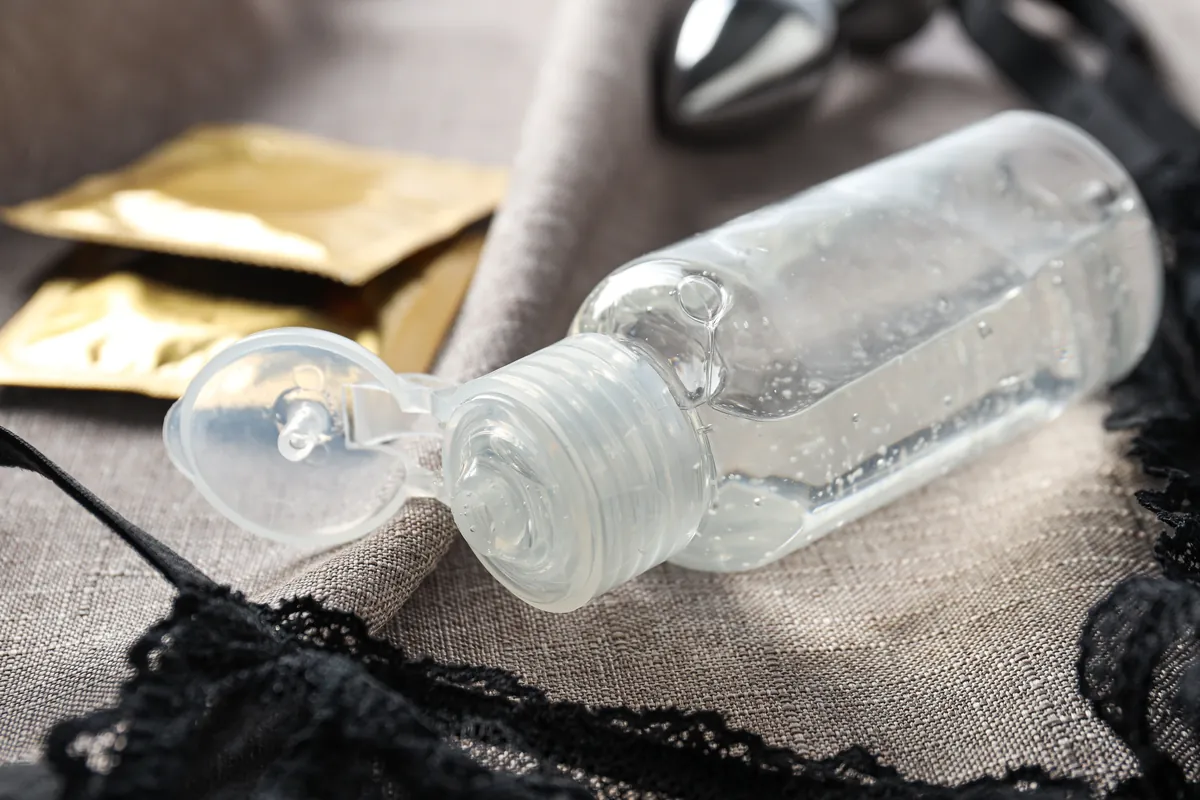 Gahan says intimate care products interact with highly sensitive mucosal tissues.
Beyond basic safety testing
Gahan explains that intimate care products need to be formulated with the vaginal microbiome in mind. “Ingredients need to go beyond basic safety testing to ensure compatibility,” he says.
The vaginal microbiome is an ecosystem of microorganisms and bacteria that maintains a naturally acidic pH of 3.8–4.5. The natural defense system can be disrupted by improperly formulated products.
“Products that are incompatible with the natural vaginal environment may contribute to irritation, discomfort, or disruption of the normal microbiome balance,” says Gahan.
“Manufacturers should utilize appropriate safety assessments, microbiological evaluations, and formulation expertise during product development in order to help improve product performance and safety.”
Primient names its ingredient Zemea propanediol as a humectant for women’s care solutions that meets the compatibility bar for formulators. The corn-derived alternative to propylene glycol achieved MyMicrobiome certification for the vaginal tract under Standard 21.10 in 2025. The assessment checks microbial purity, impact on microbial diversity, and influence on microbial growth behavior, including the balance between protective bacteria. The certification indicates that controlled laboratory testing found Zemea propanediol had minimal to no negative impact on the vaginal microbiome.
“Zemea propanediol offers a low irritation profile and a microbiome certification for the vaginal tract. This multifunctional ingredient provides performance benefits that drive formulation efficacy, thus giving the formulator the required formulation flexibility,” says Gahan.
He adds that one of the most important developments in intimate-care formulation is the shift toward preserving the natural balance of the vaginal environment rather than simply addressing symptoms.
“Modern formulation approaches increasingly consider the following characteristics: microbiome health, pH balance, osmolality, and overall user comfort as interconnected factors that contribute to product performance and consumer well-being.”
When asked how consistently the wider market applies testing that goes beyond basic safety, Gahan responds: “We cannot speculate on how individual brands formulate their products. However, microbiome compatibility and osmolality have received increased attention from researchers and formulators over the last decade as the understanding of vaginal health has evolved.”
The osmolality paradox
Gahan says that osmolality — which measures the concentration of all chemical particles dissolved in a fluid — is increasingly emerging as an important consideration when developing products intended for intimate use.
Gahan flags the need for a focus on osmolality for formulators in the women’s health space. For example, lubricants with high osmolality can draw water out of mucosal cells, causing cellular stress, altered membrane structure, and in severe cases, cell rupture and tissue damage. The result is dryness, irritation, and inflammation, and it can increase susceptibility to STIs.  Gahan urges formulators to evaluate the system, not the single ingredient.
The complication for Primient is that 1,3-propanediol is itself classified as a hyperosmotic ingredient. The humectant pulls water from the air to hydrate dry skin, but it can also pull water out of cells that are already hydrated — the same mechanism WHO guidance calls to prevent.
However, Primient positions its ingredient as appropriate for intimate care, provided the finished product is formulated isoosmotic or hypoosmotic to vaginal tissue, in line with the WHO recommendation. Formulated that way, the ingredient delivers a non-sticky feel and a low irritation profile.
That formulation adjustment moves the burden from the ingredient to the formulator, and Gahan says that is where it belongs.
“Any ingredient can contribute to an unsuitable formulation if not used within an appropriately designed system,” he explains. “This highlights the importance of evaluating the finished formulation rather than focusing exclusively on individual ingredients.”
“Selection among humectants should be based on the needs and priorities of the final formulation and product performance requirements.”
Primient says that Zemea propanediol’s safety profile and lower irritation/sensitivity have resulted in many product developers implementing it. The company also notes the ingredient’s sustainability story, tactile feel, use as a solvent/carrier, and its ability to increase the stability of formulations.