

Kering posts double-digit revenue drop but Beauty Division transition signals new growth strategy


Key takeaways
- Kering experienced a 13% revenue decline in 2025, amid setbacks from key luxury brands such as Gucci and Yves Saint Laurent.
- The company sold its beauty division, Kering Beauté, to L’Oréal for €4 billion, signaling a strategic shift.
- Despite challenges, Kering plans to grow in 2026, with a focus on sustainability, innovation, and refining its luxury brand portfolio.
Kering has reported a 13% decline in revenue for its full-year 2025 results. The fall reflects a challenging year for the company, as its performance was dragged down by a disappointing Q4 amid ongoing restructuring efforts — including a significant shift in its beauty division.
The French luxury group behind Gucci and Yves Saint Laurent reported total sales of €14.7 billion (US$17.46 billion) last year. Kering’s 2025 revenue decreased 10% on a comparable basis. Sales from its directly operated retail network, which includes both physical stores and e-commerce, fell by 11%.
The company’s fourth-quarter performance showed no signs of recovery, with revenue down 9% as reported and 3% on a comparable basis.
Key luxury brands under Kering’s umbrella also experienced setbacks. Gucci, the company’s flagship brand, saw a 22% decline in sales, while Yves Saint Laurent reported an 8% drop. Other brands within the group also reported struggles, contributing to Kering’s overall lackluster results.
The company’s recurring operating income for 2025 totaled €1.6 billion (US$1.9 billion), a 33% decrease from the previous year. Recurring operating margin fell to 11.1% in 2025, compared to 14.5% in 2024. Net income from continuing operations was €532 million (US$631.8 million), but after accounting for non-recurring items, Kering posted a loss of €29 million (US$34.4 million).
Kering Beauté to L’Oréal
One of the most significant developments for Kering in 2025 was the announcement of the sale of its beauty division, Kering Beauté, to L’Oréal for €4 billion (US$4.75 billion).
The division, which includes luxury fragrance brands such as the House of Creed and the beauty and fragrance licenses for Kering’s fashion houses — including Gucci — was reclassified as “discontinued operations” in Kering’s 2025 results.
The sale to L’Oréal is expected to be completed in the first half of 2026. As part of the deal, L’Oréal will acquire fragrance and beauty licenses for Kering brands and enter into a 50-year exclusive license to develop and distribute fragrance and beauty products for Gucci.
The partnership is seen as an effort to strengthen Kering’s position in the luxury beauty market through L’Oréal’s marketing power.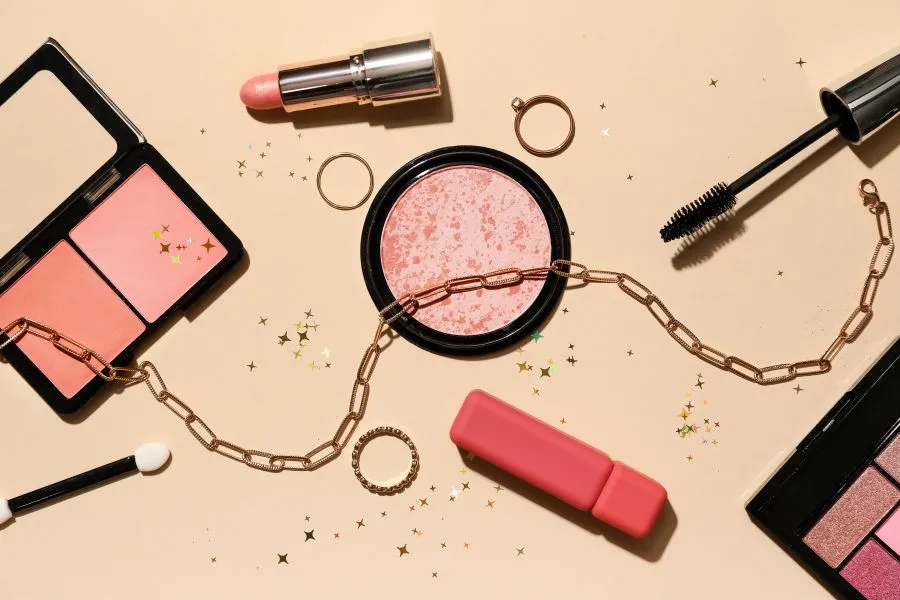 Kering’s revenue drops, but the luxury strategy continues.
CEO Luca De Meo emphasized that the move does not signal Kering’s departure from the beauty sector, but rather a strategic collaboration with L’Oréal to further expand the business.
“The partnership with L’Oréal reinforces our position,” De Meo stated during an analyst call. “We believe we can do much more business together than we could do alone.”
Impact of the beauty sale
The sale of Kering Beauté marks a significant shift in Kering’s business strategy. While the company’s luxury fashion and retail brands are facing ongoing challenges, the deal with L’Oréal opens new avenues for growth in the luxury beauty and wellness sectors.
The partnership is expected to benefit both companies, with L’Oréal gaining a foothold in the high-end fragrance market, while Kering continues to focus on its core luxury brands.
Despite the setbacks in 2025, Kering’s strategic moves in the beauty sector suggest a long-term vision to expand its luxury ecosystem. The partnership with L’Oréal and the planned acquisition of high-profile brands signal a commitment to maintaining its competitive edge in the evolving luxury market.
2026 outlook
Despite the disappointing results, Kering aims to return to growth and improve margins in 2026.
The company has outlined plans to sharpen its brand strategies and enhance operational efficiency to navigate the uncertain macroeconomic environment. Kering has indicated that sustainability and innovation will remain key focus areas as it seeks to strengthen its luxury portfolio and improve profitability.