
Lipoid Kosmetik secures halal certification to boost reach

Key takeaways
- Lipoid Kosmetik has received halal certification from HCS, confirming its facilities and materials meet Islamic standards.
- The move positions the company to expand further into the global halal beauty market.
- The rising demand for inclusive cosmetics continues to drive halal beauty growth, particularly in markets like Indonesia.
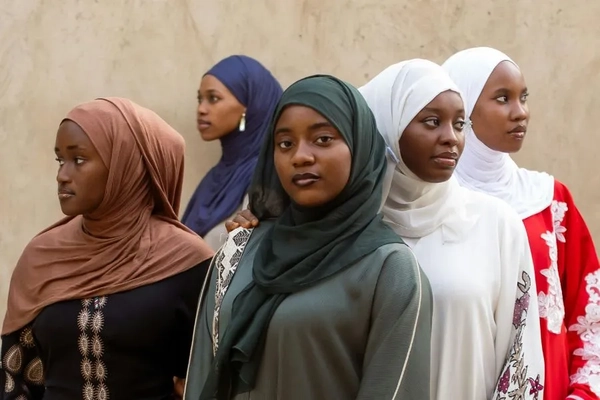
Lipoid Kosmetik has received a halal certification from Halal Certification Services (HCS) in Switzerland, confirming that the company’s production sites, processes, raw materials, storage areas, and packaging materials all comply with Islamic halal standards.
The HCS is an internationally accredited institution that certifies companies in the food, beverage, cosmetic, and pharmaceutical industries.
Lipoid Kosmetik’s certification allows the company to operate in the growing halal market, expanding its reach to include Muslim consumers and brand partners globally.
“We can now offer halal-certified products in addition to our extensive range of halal-conform products, already covering more than 92% of our portfolio,” the company says.
Halal beauty refers to products that do not contain any ingredients forbidden under Islamic law, such as alcohol from khamr industries, which includes intoxicants derived from fermenting grapes or dates. Naturally fermented ethanol is considered halal in concentrations of less than 1%.
The certification was granted after independent experts ensured that Lipoid Kosmetik’s products meet high safety, hygiene, and integrity standards and do not pose risks to consumers’ health.
The ingredient manufacturer’s certification comes amid a growing push for inclusive cosmetics. Earlier this year, Kao launched a halal gel and spray-formulated antiperspirant designed for women in Indonesia, tailored to the country’s hot and humid climate.
The product was designed for local consumers who wear a hijab, offering skin-friendly protection against odors while aligning with their religious beliefs.
Personal Care Insights previously reported on data that Gen Z is a large driving force behind the rise in halal cosmetics sales, particularly due to social media’s influence. Korea, India, and Indonesia are spotlighted regions:
“Korea is actively working to establish a global network to capture a larger share of the halal cosmetics market. At the same time, India and Indonesia remain the top two largest markets by Muslim consumer spending on cosmetics,” the report details.