




Researchers investigate turning potato waste into valuable skin care

Key takeaways
- Scientists and farmers in Scotland are exploring the use of potato shaws for skin care, focusing on solanesol.
- The project supports a circular economy by reducing agricultural waste, enhancing sustainability, and creating new revenue streams for Scottish farmers.
- This collaboration between the University of Aberdeen, the James Hutton Institute, and Grampian Growers offers a sustainable, tobacco-free alternative.
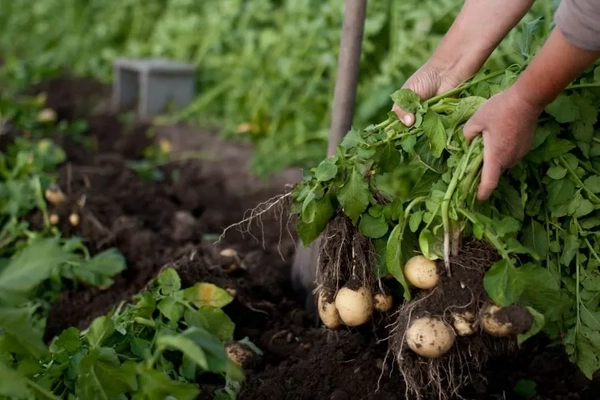
Scientists and farmers are cooperating on a project investigating whether waste from potatoes holds potential for skin care formulators.
The Scottish industry for seed potatoes is valued at £24.2m (US$32.11 million) and generates over 51,000 tons of potato shaws per year, the scientists say. They argue that the study’s findings may “unlock their hidden potential.”
The study uses long-chain unsaturated fatty acids, solanesol — a crucial compound for producing coenzyme Q10 and vitamin K2, which is commonly used in cosmetics and cosmeceuticals — from the discarded potato shaws.
Solanesol is primarily sourced from tobacco, and its demand has increased rapidly between 2000 and 2022 from 4,000 tons to 66,000 tons, according to the researchers.
They argue that the project offers a more sustainable and ethical approach while reducing waste and carbon emissions.
“This work not only supports the transition to ethical, tobacco-free sourcing of high-value compounds, but also advances sustainable innovation, showcasing how science can unlock new value from agricultural by-products and strengthen the resilience of rural communities across Scotland and beyond,” says Heather Wilson, professor at the University of Aberdeen, Scotland.
Growing the economy
Scotland currently grows 12,800 hectares of potatoes annually, which could provide 120 tons of solanesol. This would strengthen the rural resistance and drive the circular economy, while creating jobs and income sources for Scottish farmers.
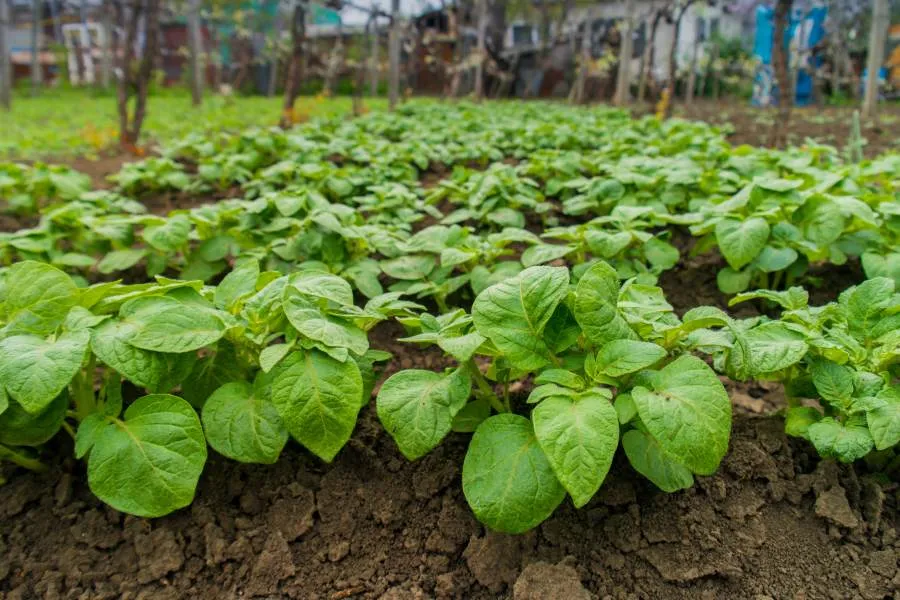 Scotland currently grows 12,800 hectares of potatoes annually, which could provide 120 tons of solanesol.The project brings together researchers from the University of Aberdeen and the James Hutton Institute, as well as farmers from Grampian Growers, to combine scientific and industry knowledge. It is funded by Innovative UK — the UK’s national innovation agency.
The research is also supported by Alder BioInsights and the Scottish Agricultural Organisation Society.
“This project is particularly significant for Grampian Growers and the wider potato industry. It offers an opportunity to add value to agricultural by-products while addressing key challenges such as waste reduction and economic resilience,” says Sofia Alexiou, project lead at Grampian Growers.
“By unlocking new revenue streams, the project supports Scottish farmers and enhances the profitability of cooperative models, demonstrating the potential of innovation to strengthen rural economies,” adds Alexiou.
Agricultural waste for skin care
Potatoes have recently been studied for another cosmetic application, using their starch as an alternative to synthetic polymers without sacrificing efficacy.
Another study found that agricultural waste from red onions, chicory leaves, olives, and vineyard pruning significantly reduced UV-induced sunburn and showed protective effects against UV damage to the skin. The agricultural byproducts also showed anti-inflammatory and anti-aging properties.
Meanwhile, a Portuguese study, also published this year, found that cork powder has potential applications in a wide range of cosmetic products, especially in makeup formulations and exfoliators.
Another waste residue that has recently been investigated for sustainable skin care applications is essential oils. The oils are rich in bioactive compounds, including flavonoids, phenols, essential nutrients, and polysaccharides, and are suitable for cosmetics that target anti-aging, hydrating, antimicrobial, and skin-protecting properties.