


ECHA backs ethanol for disinfectants but leaves carcinogenic status open


Key takeaways
- ECHA’s Biocidal Products Committee supports approving ethanol for use in disinfectants.
- The committee did not decide whether ethanol is carcinogenic or reprotoxic due to data gaps.
- The EC will next decide whether to approve ethanol under the EU Biocidal Products Regulation.
The European Chemicals Agency’s (ECHA) Biocidal Products Committee (BPC) has concluded that ethanol is safe for use in human hygiene products and surface disinfectants.
Following the BPC’s February review, ethanol’s hazard classification remains unchanged. The committee did not conclude whether the substance has carcinogenic or reproductive properties because of a lack of relevant scientific evidence on ethanol’s exposure routes.
The committee deems human hygiene products containing ethanol, such as hand disinfectants, safe. Disinfectants and algaecides that are not intended for direct contact with humans or animals are also deemed safe.
The European Commission (EC) will review the BPC’s opinion and then decide whether to adopt or reject ethanol under the EU Biocidal Products Regulation.
If ethanol is adopted under this regulation, companies may need to get EU-wide approval to use it in products before they can be placed on the market.
Assessment gaps
The BPC assesses submitted ingredient dossiers to give an opinion on whether a substance is safe and effective for its intended uses. If the committee’s opinion is escalated, the ingredient in question can be subjected to the rules of the Biocidal Products Regulation.
While the dossier on ethanol was considered complete, the committee identified important gaps in data that prevented it from reaching a clear hazard conclusion.
The dossier, for example, did not contain sufficient data on dermal exposure, given skin contact is a key exposure route for disinfectant products.
Similarly, the available studies on the effects of inhaling ethanol-containing products did not follow the set standards for testing guidelines. The limitation meant the inhalation studies were not fully reliable for hazard assessments.
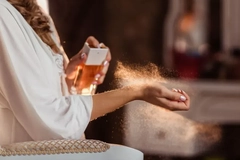
Moreover, most of the existing evidence on ethanol’s carcinogenic and reproductive effects comes from studies examining the voluntary consumption of alcoholic beverages. The BPC says it does not consider alcohol drinking studies appropriate for deciding whether ethanol-containing products would be harmful in topical formats. Ethanol plays a critical role as a perfume carrier.
The committee pointed out that newer studies are currently underway to examine more relevant exposure routes, and that these studies must be assessed before it can determine whether ethanol has carcinogenic or reprotoxic properties.
“However, waiting for these studies to become available could significantly delay the approval process,” the BPC says.
Looking forward
The EC will prepare a draft implementing regulation to propose whether ethanol should be approved as an active substance under the EU Biocidal Products Regulation.
If ethanol receives approval, companies can apply for authorization to sell ethanol-based disinfectant products.
However, if ethanol does not receive approval, companies may be required to withdraw products containing ethanol within a specific transition period.
Personal Care Insights spoke with an expert at Givaudan about the consequences the cosmetic industry would face if the EU were to ban ethanol, amid talks of the ingredient being classified as a CMR (carcinogenic, mutagenic, or reprotoxic).
“If the ban comes through, such classification could have far-reaching consequences,” said Greg Adamson, SVP of global regulatory affairs and product safety of Fragrance and Beauty at Givaudan.
“It would result in the loss of critical products that deliver health and wellness to consumers, such as hand sanitizers and disinfectant products used to prevent the spread of disease. It would also impact consumers to lose cleaning products that are important for hygiene and wellness benefits in the personal care and fine fragrance space.”