
Colorism fuels mercury skin-lightening creams with toxicity risks for women and infants

Key takeaways
- Mercury-containing skin-lightening creams continue to target women despite global bans, with two products found to contain very high levels of mercury.
- Exposure to these creams can harm women’s reproductive health and fetal development while also exposing entire households.
- Advocacy groups say colorism and beauty standards that favor lighter skin continue to drive demand for hazardous whitening products.
As International Women’s Day (Mar 8) approaches, EcoWaste Coalition is raising alarms about mercury-containing cosmetics that target women and put their health, reproductive well-being, and households at risk.
Many women around the world face pressure to lighten their skin to meet beauty standards, advance their careers, and gain social acceptance. The demand continues to drive the market for hazardous skin-whitening creams, which often contain toxic ingredients.
The toxic watchdog group has identified two Pakistan-made skin-whitening creams containing mercury levels of 33,970 parts per million (ppm) and 29,870 ppm, respectively. International bans set the limit at 1ppm.
EcoWaste Coalition is urging Pakistan’s government to intensify enforcement against manufacturers and sellers of such products, especially as e-commerce drives their global trade onto store shelves as far away as New York, US.
“Women are the main target for skin-lightening products, including those with mercury, hydroquinone, tretinoin, and other potent substances, because of societal fixation on fair skin brought about by our colonial legacies and social stratification,” Aileen Lucero, national coordinator at EcoWaste Coalition, tells Personal Care Insights.
According to Lucero, the “obsession” for fairer skin has been reinforced by the standards set by the media, entertainment, and cosmetic industries. These standards, she says, often equate beauty, economic success, and higher status with the color of a person’s skin.
Mercury exposure, through the use of contaminated skin-lightening creams, poses distinct and severe threats to women, particularly their reproductive wellness and fetal growth.
“While mercury can damage the kidneys, nervous system, and the skin itself, it has the ability to interfere with hormones and penetrate biological barriers such as the placenta, making it a major concern for those who are pregnant or planning to conceive.”
Beyond the physical adverse health effects, the World Health Organization links mercury exposure to depression, psychosis, and peripheral neuropathy.
Toxic crackdown.jpg)
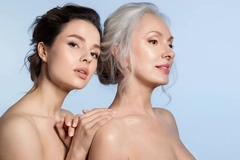
Colorism and beauty standards that favor lighter skin continue to pressure many girls and women to use skin-lightening products.
EcoWaste Coalition identified the two mercury-containing skin-lightening creams online, despite the global ban on mercury-added cosmetics.
The products — Yaz Beauty Cream Double White + Vitamin C and Yaz Gold Beauty Cream Active White + 24K Gold Dust — bring the total number of Pakistan-made, mercury-contaminated cosmetics previously identified by the group to 25.
Many of these products are marketed as fast-acting skin-lightening solutions that promise results in as little as three days. However, according to the EcoWaste Coalition, the creams’ labels do not disclose mercury in their ingredient lists and provide no safety warnings, despite the high levels detected.
Multigenerational harm
As mercury can easily cross the placental barrier, pregnant women exposed to this “poison” face increased risks of miscarriage, stillbirth, and premature delivery, according to Lucero.
“It can also permanently damage the developing fetal brain and nervous system, leading to irreversible developmental delays, learning disabilities, lower IQ, and motor skill impairments,” she adds.
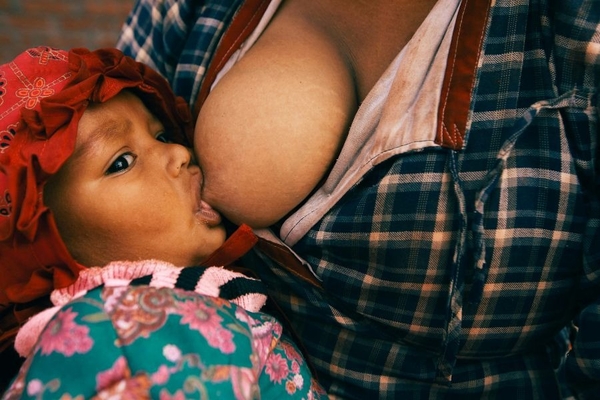
Nursing women may also pass mercury to infants through breast milk. This raises added concerns for mothers who rely on breastfeeding as the most accessible and nutritionally complete feeding option for newborns compared to formula.
“Even though small amounts of mercury can pass into breast milk, breastfeeding remains the best option, as it provides essential nutrients and protection for babies that are not present in artificial milk substitutes, while also supporting the mother’s recovery and health.”
Beyond direct bodily transfer, Lucero explains that, when women use mercury-containing skin creams at home, they create a toxic environment that endangers everyone in the household, not just the primary user.
“Mercury is highly volatile. It can enter the air as a vapor and contaminate indoor air. People living in tight spaces with inadequate ventilation are at a greater risk when they breathe contaminated air and touch contaminated clothes, blankets, pillows, and towels.”
As Personal Care Insights previously reported, the risks from mercury-containing cosmetics often fall disproportionately on poorer populations.
Value of pigment.jpg)
Mercury can cross the placenta and harm a baby’s developing brain and nervous system during pregnancy.
Color-based prejudice can lower a woman’s self-confidence and cause dissatisfaction with the color she is born with, Lucero tells us.
“In a society obsessed with fair skin, it is not uncommon for children and adults with darker skin tones to experience color shaming as manifested through jokes, negative comments, bullying, and social isolation,” she says.
These societal factors can cause profound psychological damage to women, including low self-worth, anxiety, depression, and stress, which Lucero says could prompt a person to find quick fixes.
The Minamata Convention on Mercury is a global treaty designed to phase out mercury in products like cosmetics.
“While pushing for the strict enforcement of the Minamata Convention’s global ban on mercury in cosmetics, the [Ecowaste Coalition] sees the need to also address and dismantle colorism and white-centric beauty standards that drive the demand for these toxic products,” Lucero adds.
“This International Women’s Day, let us celebrate the skin you’re in. The skin color you’re born with is not a flaw to be corrected. It’s your identity, heritage, and story.”