




Beauty retailers pressured to drop badger hair brushes after PETA exposé

Key takeaways
- A PETA exposé of Chinese badger farms pushed major retailers including Target, Ulta, and Neiman Marcus to drop badger hair brushes.
- Mühle says badgers in China are farmed primarily for fat or oil, not fur.
- The global beauty industry is increasingly moving away from using animals’ bodies for products.
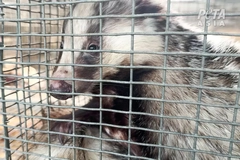 (Image credit: PETA Asia).
A PETA (People for the Ethical Treatment of Animals) exposé depicting the brutalization of badgers in Chinese farms has spurred some retailers supplying makeup and shaving brushes with badger hair to remove the products.
In June 2026, an eyewitness reported attending eight farms in China, the world’s leading exporter of badger fur.
In the footage, badgers with missing hair and bloody and open wounds were shown trying to escape tight cages by digging and chewing the wires. The eyewitness documented a worker bludgeoning, stabbing, and cutting open a badger who fought for over three minutes before dying.
Although the incidents of abuse were not directly linked to specific retailers, PETA argues that global companies supplying badger hair brushes help sustain an “industry built on violence.”
After the animal rights group’s investigation in June, companies including Neiman Marcus, Target, and Ulta stopped selling badger hair brushes. However, it still calls on Mühle and Van Der Hagen to stop selling shaving brushes made with the animal’s fur. Yvonne Taylor, VP of corporate projects at PETA, tells Personal Care Insights the group “condemns” both brands for “not taking action against cruelty to these sensitive animals.”
In a statement to Personal Care Insights, Mühle says it is in contact with PETA, and has “repeatedly” told the organization that badgers in China are farmed primarily for their fat or oil, not fur. “Badger hair itself is a byproduct from which breeders and hunters derive little revenue,” the spokesperson tells us.
“The hair gains value through the labor-intensive processing involved. We had hoped that PETA would acknowledge these facts in its campaign. Instead, PETA… gives the impression that the animals are killed for their pelts.”
According to Mühle, that portrayal is incorrect. The spokesperson says that even when pursuing ethical practices, one must act with “integrity and honesty,” and claims that this was not the case with PETA’s reporting.
Addressing this criticism, Taylor asserts that while badgers are raised and killed for their flesh, the use of their hair in makeup brushes is a “primary co-product that sustains this cruel industry.” She adds that the cosmetic and shaving brush sectors drive a large percentage of the global demand for badger hair.
“Badger hair is a valuable co-product in the badger meat trade, and the sale of every badger-hair brush helps financially sustain an industry that beats and stabs badgers to death. Removing that financial support would shrink the industry and save countless badgers’ lives,” Taylor says.
Badger cruelty contribution or conflation?
PETA and Mühle have been at odds over the investigation’s findings. Taylor says that the non-profit has raised its concerns directly with the grooming brand and provided information on the animal welfare issues associated with the badger-hair trade.
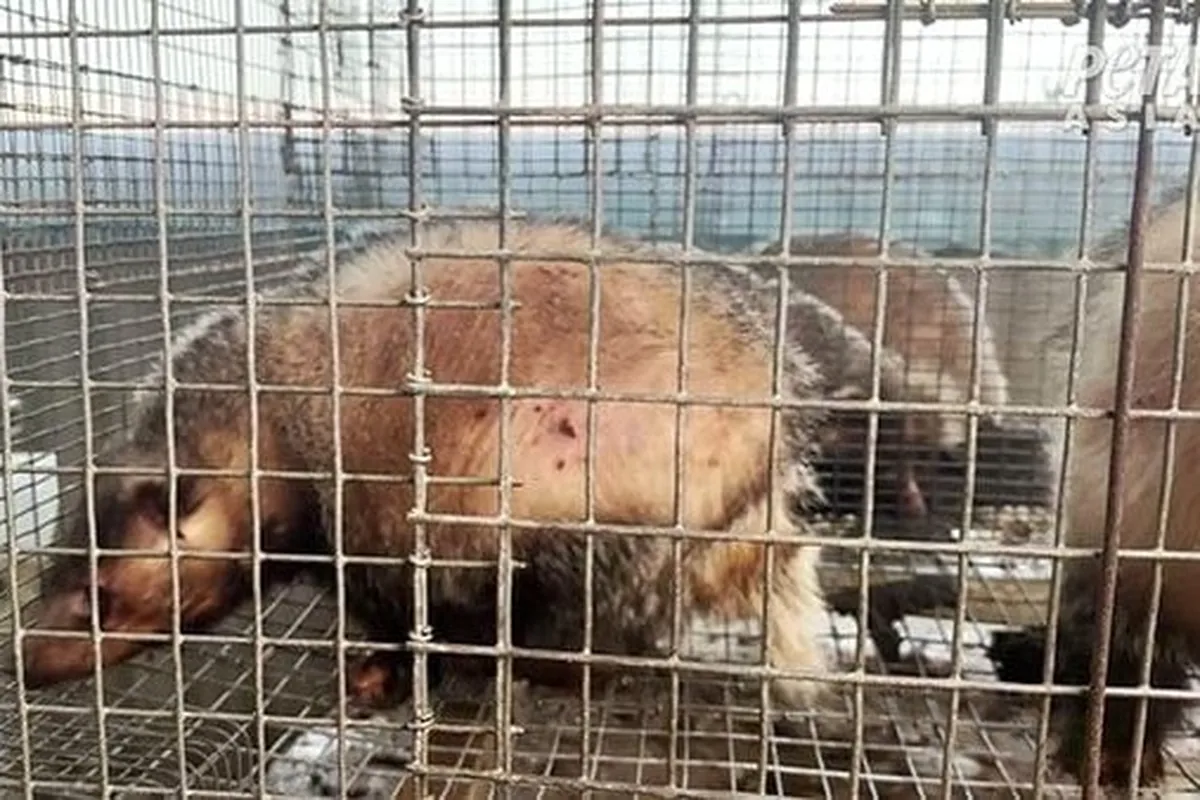 PETA’s footage showed that many badgers were missing fur and had visible wounds and dried blood on their skin (Image credit: PETA Asia). The Mühle spokesperson identifies that while “the video footage is very worrying,” it is not related to the sources from which the company obtains its badger hair. “Our own research and personal discussions in China in April confirmed this.”
“Furthermore, badger meat is consumed as food in China. PETA itself has admitted that there is no reliable data on the commercial use of badgers.”
World Bank WITS data show that China exported approximately US$3.06 million and 66,195 kilograms of “badger and other brush-making hair” under HS 050290 in 2024. The figures reflect raw or semi-processed hair and not the value of final products (e.g. shaving brushes).
PETA remains strong in its stance that the use of badger fur is “unnecessary,” regardless of where it is sourced.
“As of now, the company continues to sell badger-hair products… and Mühle already offers excellent animal-free alternatives that perform even better.”
Mühle synthetic fiber alternatives
Mühle tells us that it has been considering a plan to phase out badger hair for “some time now.”
“This can only happen if the market undergoes a sustainable shift by convincing customers of the benefits of synthetic fibers,” says the spokesperson. This will require a certain time frame, given the long history of badger shaving brushes and the rather conservative market.”
However, the spokesperson adds that numerous customers have opted for synthetic fibers. They attribute this consumer behavior to be based on brush performance, rather than “ethical considerations regarding animal welfare.”
The company says that it has “transformed” the synthetic shaving brush market with its Silvertip Fibre and Black Fibre. The spokesperson explains that the brushes’ debut enabled synthetic fibers to no longer be “merely” a substitute for natural hair, but also notes limitations in product functionality.
Mühle adds that its competitors have increasingly turned to synthetic fibers since their Silvertip Fibre and Black Fibre launches, signaling a viable path and consumer appetite for cruelty-free shaving brushes.
Battling badger hair brushes
The other shaving brand called out in PETA’s investigation was Van Der Hagen. PETA identified that the traditional wet shaving and grooming brand was selling badger hair brushes and pressed it to stop.
According to Taylor, Van Der Hagen told PETA in 2019 that it would drop badger hair. “Seven years later, it continues to sell badger-hair brushes and has not responded to our recent communications about the new investigation,” she says.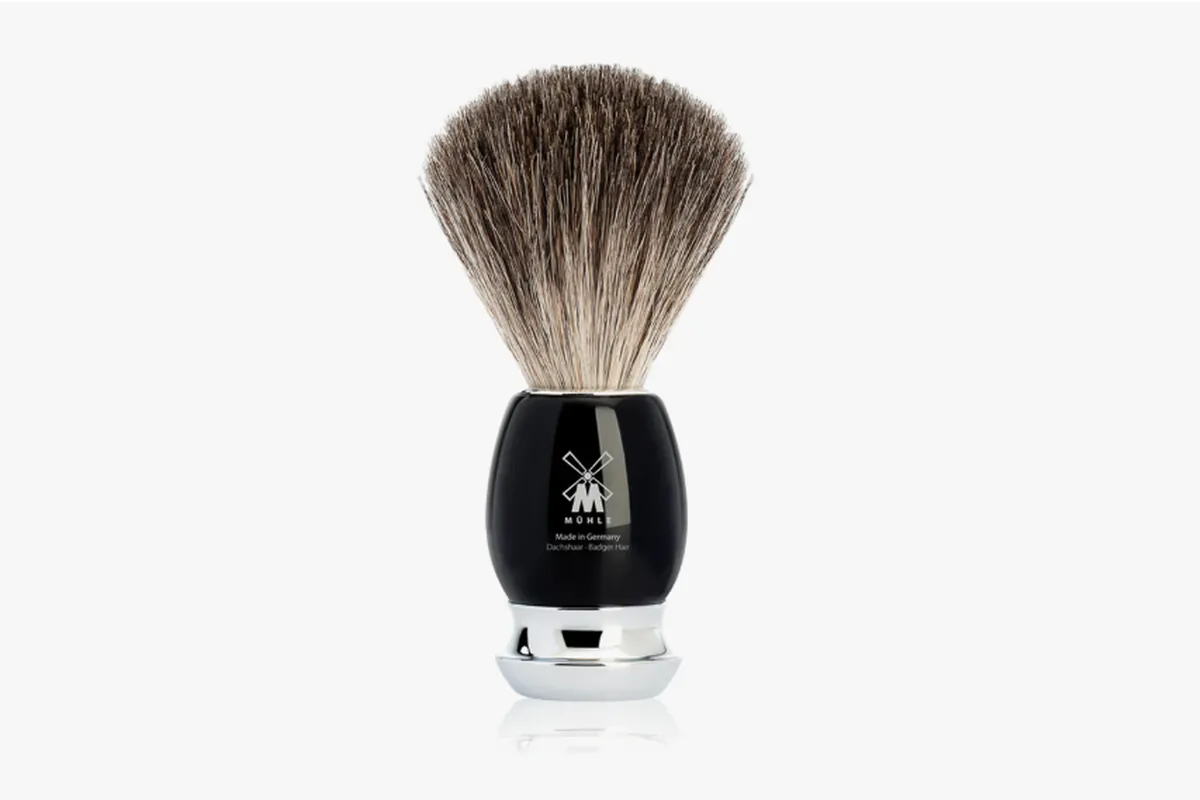 A shaving brush with badger hair from Mühle described as being “made of natural fibers.”
However, at the time of publication, Personal Care Insights could not find badger hair brushes on Van Der Hagen’s website. No public statement of their removal was made. We have reached out to the brand, but did not hear back prior to publication.
Despite both companies being named for their continued use of badger hair, PETA appears to give special attention to Mühle. The organization directly challenged them in a recent headline reading: “Michaels, Kohl’s, Neiman Marcus, Target, and Ulta Pull Badger-Hair Brushes From Nearly 6,000 Stores! Your Move, Mühle.”
Retailers distance from cruelty
In 2018, PETA Asia conducted its first investigation into badger farms. It revealed some animals being bashed in the skull — one being done so with a chair leg — and having their throats cut before they were left to bleed out in “excruciating pain.”
Following the depictions of the abuse, over 100 brands stopped selling brushes made from the highly social animals’ hair. Some companies that ceased stocking badger hair brushes included Sherwin-Williams, Procter & Gamble, and L’Oréal Group.
Taylor says that beauty retailers are more aware now than ever of customer reactions to animal cruelty in their supply chain.
“After two PETA investigations revealed widespread abuse of badgers, consumers are increasingly aware that their makeup and shaving brushes could be a product of the fur industry, which they do not support,” she explains. “It is a no-brainer for retailers to cut ties with an industry that confines badgers to wire cages and slits their throats.”
After becoming aware of PETA’s most recent investigations into the badger hair industry, Target, Neiman Marcus, Michaels, Kohl’s, and Ulta Beauty dropped badger hair from their offerings.
“Badgers are living in misery and dying in terror and agony on fur farms across China just so their hair can be sold for cheap brushes,” says PETA President Tracy Reiman. “PETA is celebrating Ulta’s compassionate decision to join the growing list of retailers ditching badger hair — and asks everyone never to buy anything made from animals’ fur, feathers, or skin.”
The animal rights group is again calling on any brands that still use badger hair brushes to introduce a no-fur policy and “cut ties with this cruel industry.”
“Badgers are sliced open with a knife, and their pelts are ripped off their bodies, sometimes while still alive. There is no ethical way to make these products, and animals will always suffer as a result,” explains Taylor. 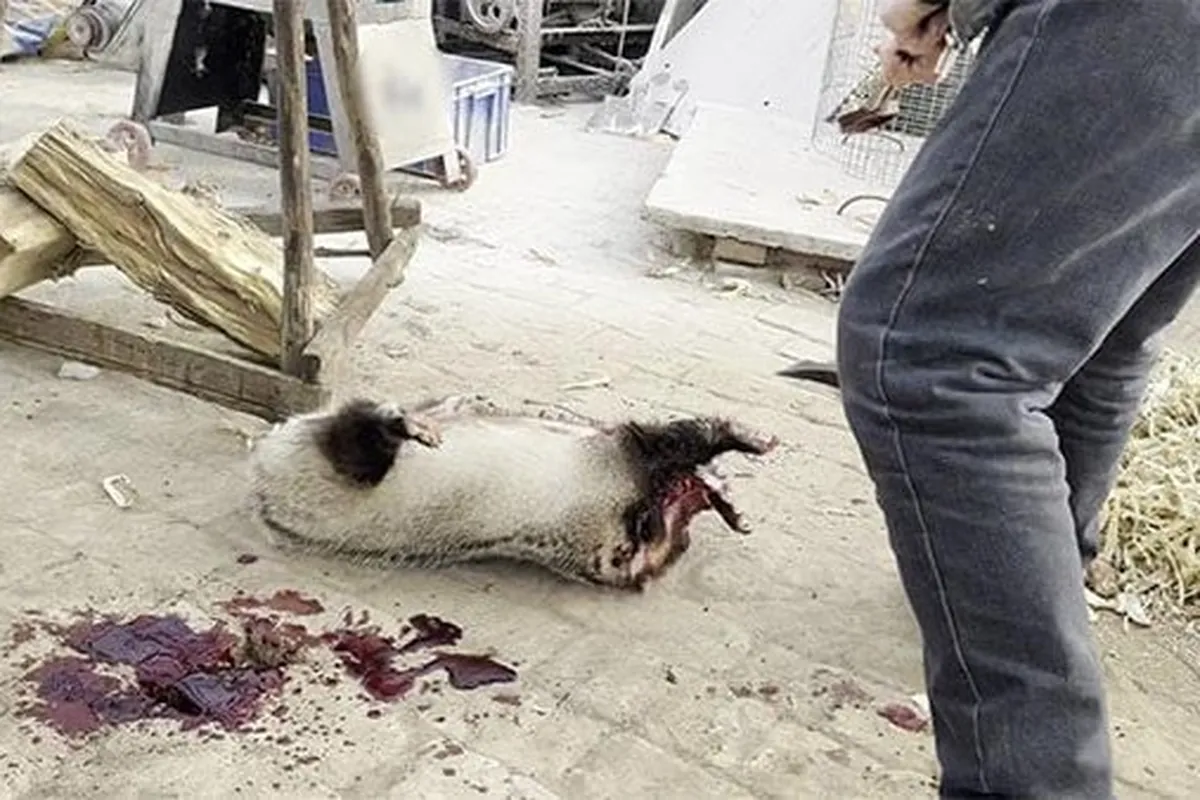 In the wild, badgers build elaborate underground burrow systems, which like human homes, have separate areas for sleeping and going to the bathroom (Image Credit: PETA Asia).
Personal care pushes away from animal products
According to Taylor, retailers removing badger hair brushes from their inventory reveals a reckoning in the personal care industry. She says the next wave of cruelty-free cosmetics will not be confined to animal testing alternatives, but an avoidance of any practice in the supply chain that harms animals.
“It’s a new angle that the personal care industry must consider: ethical beauty means not testing on animals or using animal-derived ingredients, but it also means avoiding products, such as badger hair makeup and shave brushes.”
The global beauty industry is increasingly moving away from using animals’ bodies to produce consumer goods. Innova Market Insights data suggests a 7% average annual growth in beauty product launches with ethical claims from June 2020 to July 2025. The market researcher also reports 30% of consumers worldwide actively choose cruelty-free personal care products.