

Reusable period care moves beyond eco hook to comfort and cultural fit

Key takeaways
- Reusable menstrual care growth is shifting from novelty to product differentiation and improved usability.
- Comfort, leak protection, and ease of use increasingly determine success, while sustainability remains a key entry point.
- Cultural attitudes strongly shape adoption, making localized education and trusted peer recommendations essential, particularly in China.
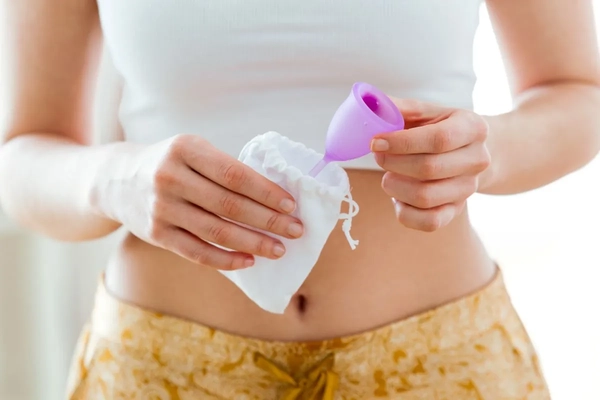
The reusable menstrual product category is growing due to product differentiation, according to Yuji Health.
More open conversations around periods over the past years, coupled with a push toward clean beauty, are causing a boom in menstrual cups, reusable pads, and period underwear. But now, the non-single-use period care segment is maturing further from its initial sustainability focus and moving to secure a position in the mainstream by offering easier-to-use products.
Personal Care Insights sits down with Tony Liang, founder of Yuji Health, a China-based menstrual cup manufacturer, to discuss the demand for reusable menstrual products as sustainable beauty expands the sector.
However, despite evolutions in the menstrual care industry, the segment is still steeped in stigma, and brands must account for regional sensitivities.
Liang tells us about the cultural differences in consumer acceptance of menstrual product innovations. He says it is vital that brands interpret and adapt to the cultural discourse around periods while adjusting their products’ regional positioning. He adds that a single marketing positioning does not translate across global attitudes.
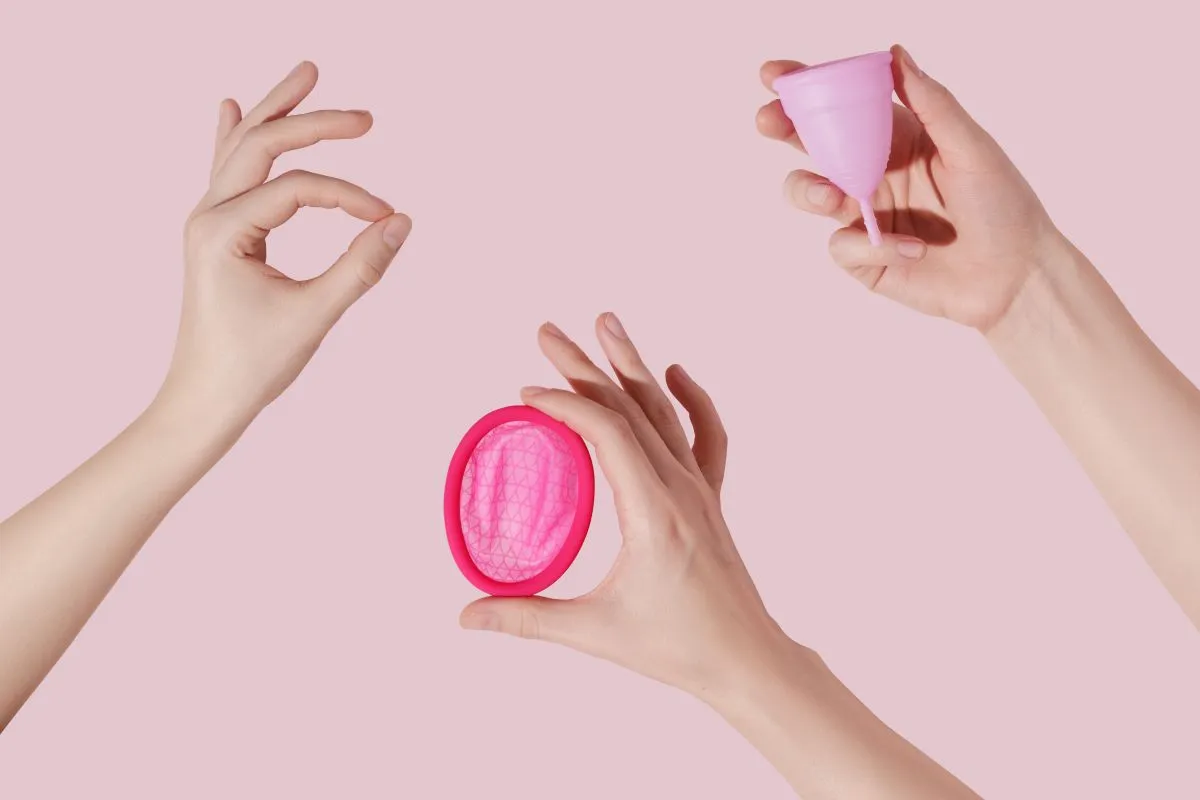
Reusable menstrual care brands are focusing on comfort, fit, and ease of use.
Personalizing period care
Yuji Health believes that the period product category is still growing, “but the nature of growth has changed.”
“The early surge was driven by eco-conscious early adopters. Today’s growth comes from product evolution: discs, better designs, teen-friendly options, and wider retail availability.”
According to Liang, sustainability and waste reduction claims still act as the primary hook to market reusable menstrual products. However, education, efficacy, and comfort define category success.
“The reusable category proved that consumers will change deeply habitual behavior when the product genuinely works, and the education is honest,” he says.
Mainstreaming menstruation
Waste reduction is reusable period care’s founding story and still its strongest emotional hook — but purchases are won on comfort, leak protection, and ease of use, according to Liang.
Liang tells us that the reusable menstrual care market’s growth is driven by becoming more mainstream. He says that “clearer education, more shelf space, and products that solve the real first-timer pain points like the insertion learning curve” are helping advance the space.
Over the next few years, Yuji expects reusables to keep gaining share as products get easier for first-timers.
“The wider feminine care market is already borrowing the playbook: ingredient transparency, plastic-free packaging, and honest education,” says Liang.
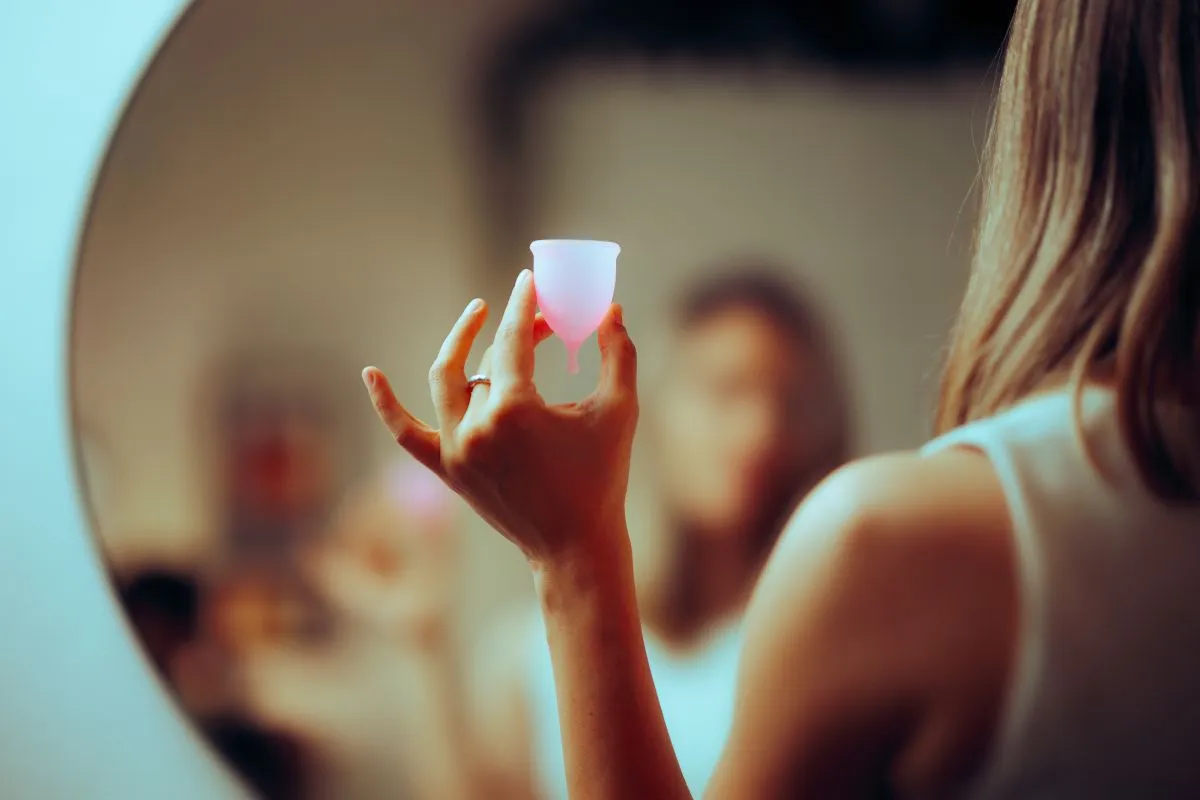
Cultural attitudes continue to influence menstrual product adoption.
The culture of periods
Liang tells us that the gap between consumer acceptance of reusable menstrual care products in Chinese and Western markets is “still significant.”
“In Western markets, cups and discs are a mature conversation — sustainability and long-term cost savings are well-understood arguments,” he explains.
“In China, adoption is at an earlier stage. Social commerce and key opinion leader content are powerful education channels, but unfamiliarity with insertion and traditional views means the learning curve is steeper,” he says.
According to Liang, Chinese consumers rely more heavily on detailed reviews and user-generated content before trying an intimate product: “Trust has to be built peer to peer.”
He tells us that increasingly open conversations have helped adoption in Chinese markets.
“Social media has normalized discussion in a way traditional advertising never could, but stigma still shapes adoption, especially in China. Concerns around insertion, hygiene misconceptions, and simple unfamiliarity remain the top barriers our brand partners report.”
Liang adds that the main influence in reusable menstrual care adoption in a market with higher stigma against periods, such as China, is education to effectively tackle prejudices. He says that information is more effective than marketing or slogans.
A previous survey showed that while reusable menstrual products are gaining popularity, lingering misconceptions are slowing down widespread adoption. The findings revealed room for improvement in consumer communication and education.
Liang identifies that education and access to information can be clear how-to content, reliable medical and key opinion leader voices, and starter-friendly product design.
“The lesson: don’t lead with the mission until you’ve nailed the basics — fit, comfort, and clear instructions. Meet consumers where their concerns actually are, which differs by market — a single global message doesn’t travel,” he concludes.