


Revieve sees hyperpersonalization, ethical AI and inclusivity in the future of beauty

Key takeaways
- Revieve identifies inclusivity, ethical AI, and hyperpersonalization as key drivers of future beauty innovation.
- According to the company, AI-powered skin care recommendations are evolving to adapt to changing environmental factors, lifestyles, and consumer needs.
- Responsible data use, consumer trust, and science-backed wellness claims are essential to personalized beauty, says Revieve.
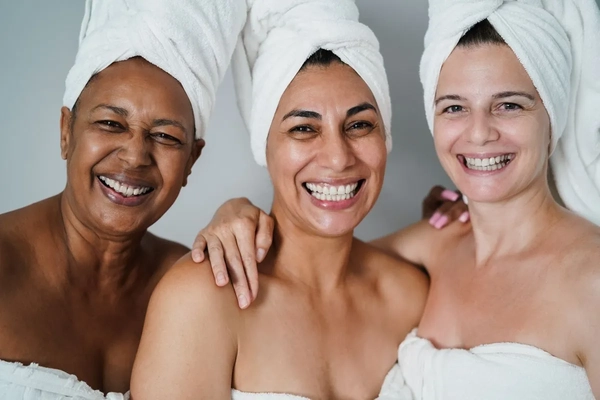
Part three of Revieve’s The Future Face of Beauty report series reveals that ethics, inclusivity, and hyperpersonalization are driving the next wave of personal care trends and innovations. The report links the shift to growing demand for mindful, wellness-oriented, and human-centric beauty.
The company, which develops AI technology for the personal care industry, says the future of beauty is “more inclusive, more intuitive, and more human.”
The report's third installment predicts that over the next five years, the beauty landscape may move in a more holistic, connected, and personalized direction. Revieve sees the future of beauty shaped by modern consumers’ diverse needs.
“The future of beauty intelligence isn’t about knowing everything about a person. It’s about using the right information, with their understanding and control, to make every interaction more relevant, inclusive, and trustworthy,” Irina Mazur, chief commercial and marketing officer at Revieve, tells Personal Care Insights.
Nutricosmetics, cycle-aware skin care, neuromarketing, and emotionally intelligent design are some of the trends emerging in the report. Beauty brands are also revising their omnichannel offerings and approaching AI in more ethical and inclusive ways, according to Revieve.
We sit down with Mazur to unpack the dynamics of addressing inclusivity without regional reductionism, accounting for changing environmental factors in recommendations, and building personalization tools that survive the test of time.
We discuss how brands can handle data sensitively and offer wellness guidance without overclaiming.
Part one of the report series explored the emergence of AI as a personalization tool and growing demand for precision products and well-being-focused beauty. Part two focused on how AI-powered diagnostics were shifting beauty recommendations from reactive to predictive.
With part three, Revieve is bringing the AI personalization conversation to the individual level, accounting for consumer demands across demographics. The report explores the value of approaching the buyer with a holistic lens to provide comprehensive recommendations while respecting differences and privacy.
How can beauty brands make personalization relevant without reducing consumers to broad demographic categories?
Mazur: The future of inclusive beauty isn’t about sorting consumers into ever more precise demographic boxes. Two people can share a similar skin tone yet have entirely different undertones, sensitivities, preferences, and skin care goals. Truly intelligent personalization recognizes the individual behind the complexion.
That starts with representative data and rigorous testing. AI-powered skin analysis and shade matching need to perform across diverse complexions, including melanin-rich skin, and under real-world lighting conditions. But an image should be one signal, not the whole story. Combining visual insights with what consumers choose to share about their skin, routines, and priorities makes recommendations more accurate, nuanced, and useful.
By 2030, inclusivity should be built into the intelligence behind every beauty interaction, not added as a separate feature or campaign. Regional climate and cultural context can add relevance, but they should never become shortcuts for someone’s identity or needs. The real breakthrough is personalization that respects complexity and gives every consumer the accuracy, choice, and freedom to define what beauty means to them.
How can brands translate evolving environmental factors into recommendations?
Mazur: Consumers don’t want a dashboard of UV, pollution, and humidity readings. They want to know what, if anything, they should do differently today.
A higher UV index can make sun-protection guidance and reapplication reminders more timely. A stretch of cold, dry weather might shift the focus toward hydration and skin barrier support. But environmental data is context, not a diagnosis: the same conditions affect people differently, and a change in the forecast should not automatically trigger a new product suggestion. Skin characteristics, existing routines, and self-reported needs still matter.
As beauty intelligence evolves, these signals can help brands move from generic seasonal campaigns to contextual, timely guidance. The smartest experiences will prioritize one or two relevant actions, explain why they matter, and let the consumer explore further if they choose.
How can personalization evolve into an ongoing routine that adapts over time?
Mazur: Personalization should not end when the first skin assessment does. A selfie provides a useful snapshot, but skin needs can shift with seasons, products, lifestyle, and personal priorities. The important evolution is from a static recommendation to guidance that responds to those changes over time.
This is already taking shape in practice. Revieve’s AI Skin Advisor Pro, for example, allows consumers to track changes in skin metrics over time through a skin diary and maintain a beauty profile that evolves alongside their needs and goals. That continuity matters more than any individual scan: with the consumer’s permission, brands can build on follow-up assessments, routine feedback, and changing preferences to make guidance progressively more relevant, without asking someone to start from zero each time.
The same principle extends beyond skin tracking. The Inkey List uses diagnostic tools to simplify skin care routines, while Tropic Skincare adapts follow-up communications based on skin care concerns, purchase history, and engagement. Together, these approaches point toward connected beauty relationships spanning discovery, consultation, and post-purchase support.
Continuous personalization should not be confused with constant product recommendations. Sometimes the most intelligent advice is to maintain a routine that is already working. That’s how data becomes useful for guidance and ongoing engagement becomes genuine trust.
Where should brands draw the line between helpful wellness guidance and claims they can’t support?
Mazur: AI can assess visible skin characteristics and combine those insights with lifestyle information, concerns, and preferences that consumers choose to share. For example, someone experiencing dryness during perimenopause could receive tailored skin care recommendations and relevant education. That’s valuable personalization. What technology shouldn’t do is infer hormonal imbalances from a selfie or present cosmetic guidance as a medical diagnosis.
The same principle applies to nutricosmetics. As beauty expands into ingestibles and inside-out wellness, brands need to distinguish promising ingredient research from proven product benefits. Claims about sleep, stress, or hormonal balance must be supported by appropriate evidence for the specific formulation and intended use. Scientific credibility cannot be replaced by compelling wellness storytelling.
Looking toward 2030, we see the greatest opportunity in combining specialized beauty intelligence with broader lifestyle context, ingredient knowledge, and credible science to make guidance more relevant to people’s changing needs.
What does responsible data use look like in hyperpersonalized beauty?
Mazur: Hyperpersonalization should never become hyper-surveillance. As beauty experiences become more connected, trust will become their most important foundation. A selfie can help assess visible skin characteristics, preferences someone chooses to share can shape a routine, and environmental, behavioral, or purchase context can make recommendations more relevant. But these signals shouldn’t be treated as proof of someone’s emotional state or underlying health.
Emotionally intelligent personalization should respond to what consumers choose to express, rather than claiming to know how they feel.
For brands, responsible data use means collecting only what’s necessary, being transparent about how information is used and protected, and giving consumers meaningful control over their data. It also requires ongoing evaluation to ensure AI-powered experiences perform reliably across diverse skin tones and consumer groups.
At the same time, aggregated insights can help businesses identify emerging needs, improve products, and make more informed decisions without relying on increasingly detailed individual profiles.