




Scalp care takeover: Skin-centric routines shape future hair care
Salon, trichology, and dermatology insights are shaping consumer formulas in scalp and hair care


Key takeaways
- Personalized, skin-centric routines are reshaping hair care, emphasizing long-term scalp health over quick fixes.
- Insights from salons, trichologists, and dermatologists are leading to more customized, science-backed scalp treatments that go beyond the hair.
- As consumers recognize its importance, daily scalp care routines will become as common as facial skin care for healthier, more consistent hair.
Nutrire, a US-based personalized scalp and strand hair‑care brand, takes a “skin‑centric” approach to hair health by offering a personalized, professional-grade approach that, according to the company, is rare in this particular category.
Developed in collaboration with estheticians, trichologists, and hairstylists, Nutrire’s range is a fully customizable hair and scalp care system tailored to each user’s hair and scalp type.
Personal Care Insights speaks with Kristen Chase, general manager of Nutrire, to hear her perspective on the trends shaping the category and the broader industry shift to better hair health.
Scalp care is being reframed as skin care rather than traditional hair care. What’s driving this shift?
Chase: Scalp care is skin care. The scalp is just skin with a high concentration of follicles and oil glands, yet for years, hair care was viewed too narrowly. The focus stayed on the visible result, the strand, while the environment that produced truly healthy hair was mostly ignored. If the scalp is inflamed, clogged, or undernourished, the hair that grows from it will show that.
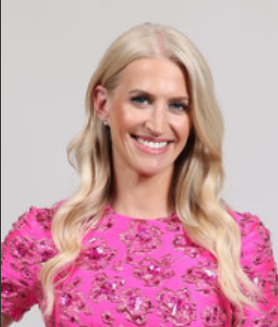 Kristen Chase, general manager of Nutrire, tells us her perspective on the trends shaping the category.The shift is speeding up because consumers are more educated than ever. They are taking what they learned from skin care and applying it to hair. They understand that healthy skin needs ongoing treatment, not just cleansing and conditioning. Add rising concerns around thinning, shedding, and stress-related changes, and people are looking at the root rather than masking the result.
Once you see hair quality as an output of scalp health, treating the scalp as foundational just makes sense.
What unmet needs pushed scalp health to the forefront?
Chase: People want stronger, fuller hair and less shedding, not another quick cosmetic fix. There is a bigger shift toward wellness and the long game. You cannot shortcut biology. For a long time, products focused on making the strand look good but ignored the environment it was in. At the same time, most routines treated hair as one thing, even though the scalp and the ends behave entirely differently. You can have oily roots and dry lengths and still be told to use one system.
That disconnect is what pushed scalp health forward. Once you focus on the source, the results make more sense. It is also what led us to build Nutrire differently. Shampoos are chosen by scalp condition. Conditioners are chosen by strand type. Treat the skin first, then support the fiber it grows.
How is professional knowledge influencing scalp products today?
Chase: Salon, trichology, and dermatology insights are finally shaping consumer formulas. These professionals understand buildup, inflammation, circulation, and follicle health at a clinical level. Just as importantly, they interact with real people every day and hear firsthand about shedding, sensitivity, density concerns, and long-term growth goals. That daily exposure to real hair challenges gives them a practical lens on what consumers actually need, not just what trends suggest.
We are only at the beginning. As diagnostics, in-salon consultations, and at-home treatment systems become more integrated, the line between professional and consumer scalp care will continue to blur.
Why is scalp care the entry point for true hair care customization?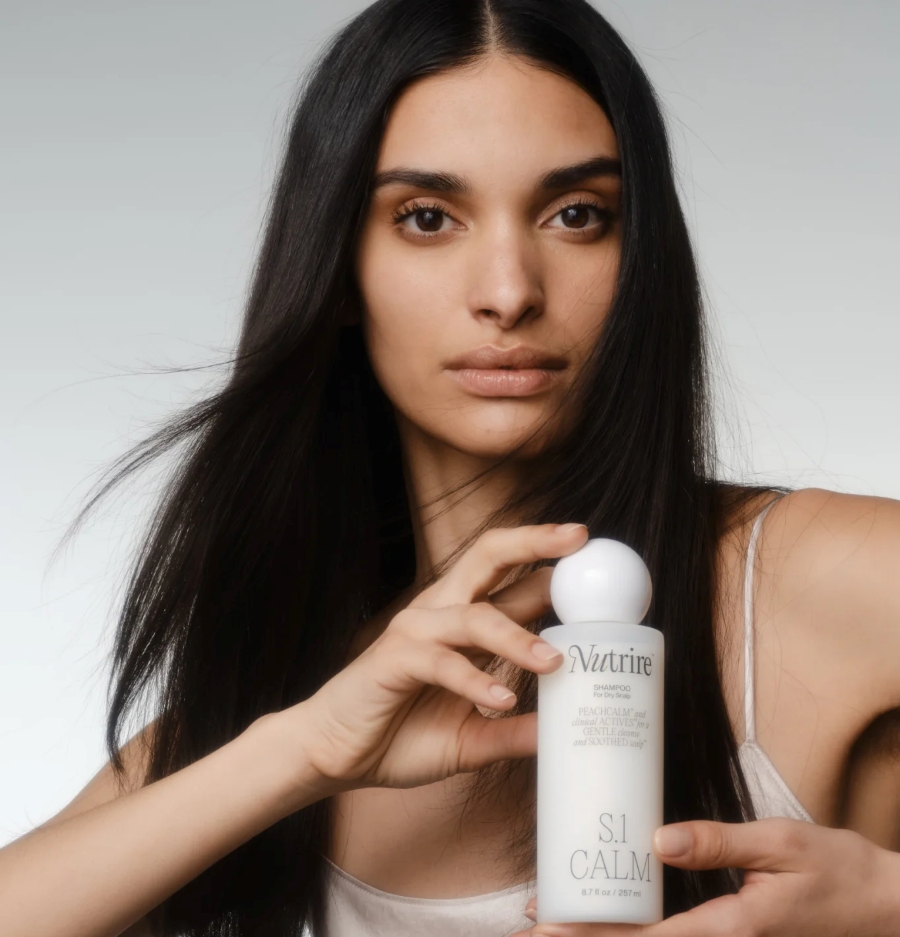 Nutrire’s system includes three shampoos formulated for scalp types, four conditioners for strands, and AM/PM scalp serums.
Chase: The scalp is where the real variation is. Just like our facial skin has a type, our scalp does as well. Two people can have similar-looking hair but completely different scalp conditions. One might be oily and sensitive. Another dry and congested. If you do not get the scalp right, the rest of the routine is just guesswork. Consumers need to start swapping out generic shampoos that simply cleanse for solutions suited to their scalp needs to get the best possible results.
What will define the next generation of scalp care?
Chase: The next generation is going to look a lot more like skin care. Think calming actives, barrier support, gentle exfoliation, and formulas that actually reach the scalp instead of just sitting on the hair. It is less about one miracle ingredient and more about consistent, customized daily care that keeps the follicle environment healthy over time.
We will also see a rise in smarter diagnostics and tools that help people understand their scalp and adjust their routines as they go. Scalp imaging, AI-driven consultations, and better delivery systems will make it easier to treat the scalp with real precision while still keeping routines simple enough to stick with.
Scalp care is moving quickly from a niche to a foundational category. We are watching scalp care shift from adding an occasional serum to becoming the starting point of the routine. Retailers are expanding the category, education is improving, and consumers are connecting scalp health to long-term hair quality. Over time, it will sit alongside cleansing and conditioning as a core pillar, not a subcategory.
Do you expect that scalp health will become a daily foundational practice?
Chase: It will become as normal as using a facial serum. Not everyone will have a ten-step routine, but the idea that you care for your scalp consistently, not just when there is a problem, is going to stick.
People are realizing that healthier hair is built over time. A quick-fix mask cannot replace daily or near-daily support for the scalp environment. That is precisely how we approached Nutrire. We built it to fit into daily life with lightweight, leave-in treatments and science-backed shampoos that support the scalp the same way a serum supports the face. The goal is not complexity. Consistency and long- Nutrire has earned accolades like NewBeauty’s NB100 and Beauty Independent’s Best Product Launch for the T.2 Night Serum.term scalp health show up in the hair over time.
Looking ahead five to 10 years, how will routines evolve, and what will set leaders apart?
Chase: Routines will get more structured and more personalized. People will understand their scalp type the same way they know their skin type and will adjust products seasonally or based on life stage. Daily leave-in scalp care will feel normal. The brands that lead will be the ones that combine clinical credibility, professional education, and routines simple enough to stick with. The ones that follow will chase trends rather than deliver consistent, long-term results.