



Self-care evolved: How sexual wellness is merging with personal care


Key takeaways
- Sexual wellness is increasingly being viewed as part of overall wellness, integrating into daily self-care routines.
- Social media and online accessibility have played a key role in reducing stigma and broadening acceptance of sexual wellness products.
- Consumers are demanding more ingredient-conscious, luxurious, and thoughtful formulations for sexual wellness products, similar to beauty standards.
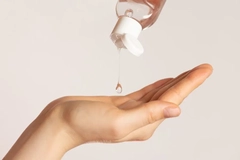
Wellness, and the aim to achieve it, has become ingratiated in personal care, allowing for its sectors — including sexual — to also trickle into the industry.
Sexual wellness has long stood on the perimeter of the personal care category. However, Jessica Drake, director of marketing and product development at Wicked Sensual Care, tells Personal Care Insights that people are starting to view sexual wellness as part of overall wellness instead of something separate or shameful.
“Lubes, sensual massage oils, intimate skin care, and arousal products are becoming part of people’s daily rituals in the same way skin care, body care, wellness products, and supplements already are,” she says.
What caused it?
Drake attributes a large part of the widespread acceptance of sexual wellness to social and mainstream media. She explains that the digital age has created accessibility in the space.
“When we factor in online sales, people everywhere are able to get their sexual health and wellness needs met.”
Drake recalls a time when people had to summon up the courage to venture into an “adult store,” because it was the only place these products were available. Now, she says, mainstream retailers have embraced the industry she works in, transforming it into a general wellness category rather than a taboo one.
“Mainstream retailers are merchandising sexual wellness products openly and closer to wellness, beauty, and body care categories instead of isolating them, which informs and reflects changing consumer attitudes.”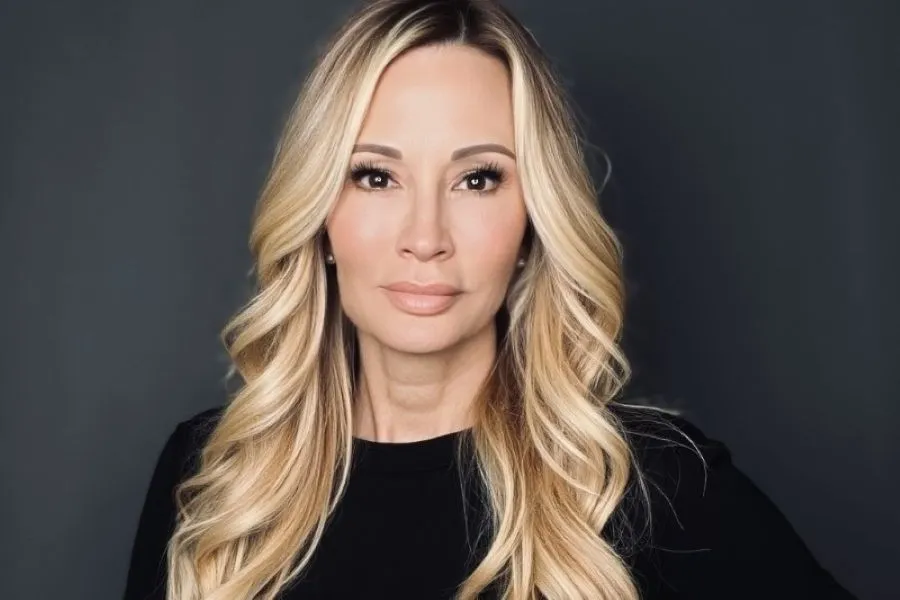 Drake says that social media has helped normalize sexual wellness.
However, with the rise in popularity also comes scrutiny from consumers. Many of the standards consumers hold their beauty products to are now also being applied to sexual health solutions.
“We’re seeing everyone — consumers and retailers alike — ask more educated questions about ingredients, safety, comfort, and overall experience. They’re definitely more comfortable with openly discussing the subject matter,” says
Beauty principles penetrate
Sexual wellness products have evolved alongside mainstream personal care categories over the past few years. Drake says there has “definitely” been a shift toward products feeling more indulgent, ingredient-conscious, and lifestyle-driven — common skin care and body care associations.
“Consumers want products that not only do what they’re supposed to do, but also feel luxurious, approachable, and aligned with the rest of their self-care routines,” she says.
Drake says clean beauty principles and recognizable ingredients are “incredibly important” in driving consumer trust in sexual wellness today. She calls thoughtful formulations especially critical for intimate care.
“Recognizable ingredients and thoughtful formulations can help build trust, especially in intimate categories where people are becoming much more informed and selective.”
Intimate care imitates beauty
There is visual evidence of intimate care branding and product designs crossing into personal care territory. Solutions such as arousal serums and sensual massage oils are increasingly resembling traditional beauty formats. Drake calls this “very intentional.”
She says that Wicked Sensual Care has always wanted its products to feel inviting, sophisticated, and easy to incorporate into existing routines.
“The packaging, textures, scents, and overall experience are designed to feel aligned with modern wellness and beauty categories while still centering pleasure and intimacy.”
Sexual wellness brands have deliberately crossed their styling with those of beauty formats to align with the broader wellness movement. The convergence of the two gives permission to consumers to dabble in both fields without shame — as the visual identities are no longer so stark.
“We’re seeing more conversations around pleasure, body literacy, consent, menopause, intimacy, stress, and overall well-being become part of mainstream wellness discussions,” says Drake.
She details that her favorite example of the broadening wellness discussion is the conversation around perimenopause.  Clean beauty principles guide intimate care product design.
“It just wasn’t happening before. A few years ago, around the time that we launched our simply timeless collection, that began to shift. As more people started talking about it, the stigma lessened, and now people are very openly talking about sex and aging.”
Standing on its own
Not long ago, the sexual wellness industry would rely on collaborations with solidified beauty brands to communicate their legitimacy in the personal care industry. However, Drake says that she no longer thinks collaborations are necessary to validate the intimate care industry or their brands.
“At this point, those established personal care players would really need to prove they’re bringing something unique and valuable to the table. We’ve been working hard and succeeding in this space for quite some time now on our own.”
Even with the newfound footing, there is still room for innovation in the coming years. Drake illuminates opportunities in education, ingredient innovation, and products that support people through different life stages.
“We’re constantly seeing growing interest in categories connected to menopause, massage, body care, hygiene, and stress relief. Consumers increasingly want holistic approaches to wellness that include pleasure, connection, and self-expression as part of the conversation,” she concludes.