


Switzerland tightens furocoumarins regulation for leave-on cosmetics

Key takeaways
- Switzerland sets a 1 ppm furocoumarins limit for leave-on cosmetics with sun exposure, effective January 1.
- The regulation covers eight furocoumarins in products like lotions and sunscreens.
- Companies must comply with any products marketed, including both local and imported products.
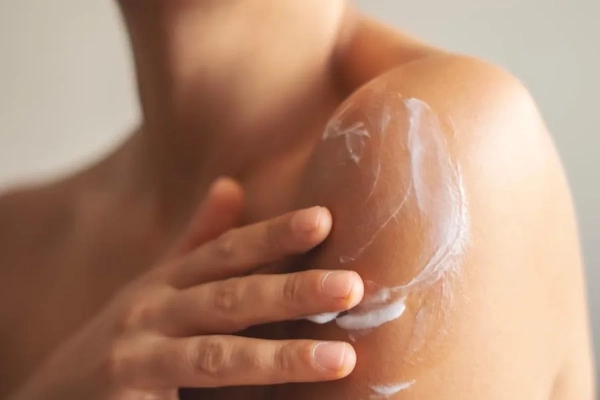
Switzerland has adopted one of the strictest regulatory limits on furocoumarins in cosmetics, setting an upper limit of 1 ppm for leave-on products. Effective from January 1 this year, the move aims to control the organic compounds’ presence in personal care, as they may be phototoxic, genotoxic, and carcinogenic when exposed to sunlight.
Furocoumarins are naturally occurring substances found in various plants, such as citrus peels.
Although not necessarily intentionally added, they may be present in personal care products such as body lotions, sun protection, body oils, and more, due to trace amounts from production.
Furocoumarins may be phototoxic, meaning they react when the skin is exposed to sunlight, interacting with the skin’s proteins and DNA. This can lead to redness and swelling, according to the regulatory consultancy firm Obelis Group.
Obelis says that long-term exposure to the substance may result in genotoxic effects and increase carcinogenic risk.
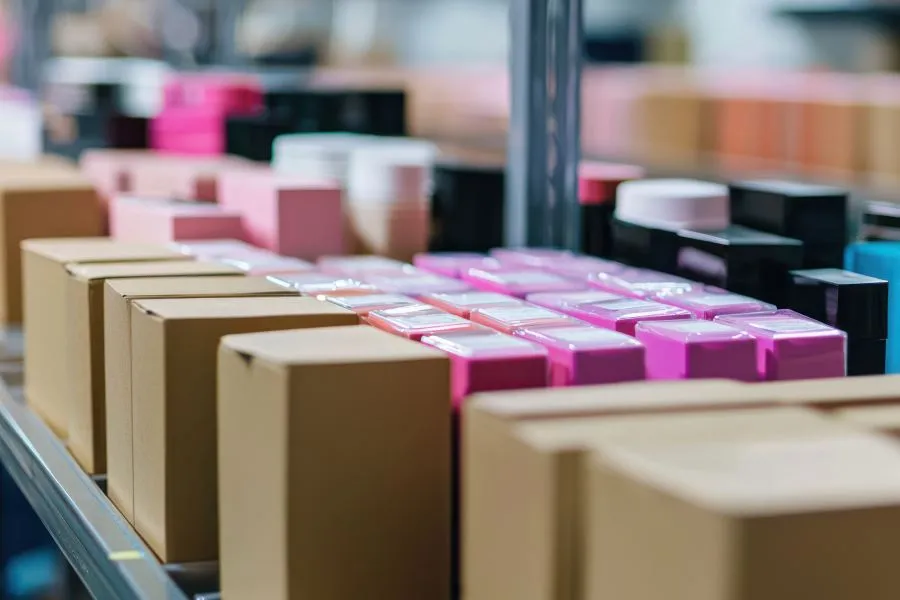 The Swiss Government did not provide a transition period, but granted stock exhaustion.In response to this, Switzerland has implemented stricter regulations for all leave-on cosmetics that have the potential for sun exposure under regular use.
Additionally, the regulation applies to cosmetics manufactured in Switzerland as well as imported products. Therefore, domestic and international companies that market products in the country are urged to research their products to ensure they are below the 1 ppm limit.
Obelis Group notes that companies should take immediate action to ensure products are compliant and can reach the market without interruption.
Deeper into regulation
The country has regulated the following eight furocoumarins:
- Byakangelicol (CAS 61046-59-1)
- Epoxybergamottin (CAS 206978-14-5)
- Isopimpinellin (CAS 482-27-9)
- 5-Methoxypsoralen (5-MOP, Bergapten; CAS 484-20-8)
- 8-Methoxypsoralen (8-MOP, Methoxsalen; CAS 298-81-7)
- Oxypeucedanin (CAS 737-52-0)
- Oxypeucedanin hydrate (CAS 2643-85-8)
- Psoralen (CAS 66-97-7)
Some of the cosmetics affected by the regulation are skin creams such as lotions, gels, and oils; lip care and makeup; sunscreens and self-tanning products; and post-shave products.
The regulation does not fully apply to deodorants, products for nail and hair care, oral hygiene, nighttime skin care, rinse-off products, perfumes, and colognes.
The Swiss government did not provide a transition period. The regulation came into effect on January 1, and products that do not align with the new regulation cannot be marketed as of that date. It does grant stock exhaustion for products sold before December 31, 2025, until the stock runs out.