

Lack of transparency fuels “cycle of harm” as counterfeit cosmetics flood Latin America

Key takeaways
- Latin America faces growing health and environmental risks from toxic cosmetics sold through informal and formal markets.
- The issue is driven by unclear labels, a lack of ingredient transparency, and insufficient regulatory enforcement.
- Experts call for stronger oversight, product bans, and accountability, as well as improved consumer education and safer ingredient screening tools.
Counterfeit cosmetics in Latin America are often sold at a low price in large quantities, without ingredient labels, in public markets and retailers. Large quantities of products enter the region without adequate information for sellers and buyers to make informed choices, putting pressure on manufacturers and brands.
Personal Care Insights sits down with María Isabel Cárcamo, member of the steering committee of International Pollutants Elimination Network (IPEN) and coordinator of the Pesticide Action Network and its Alternatives for Latin America (RAPAL), Uruguay.
She discusses how toxic ingredients affect the informal and formal beauty markets primarily due to a lack of information and unclear ingredient labels, and what role the cosmetic industry should play.
“Multinational cosmetic brands could be held accountable for their impact on health and the environment, first by stopping the production and sales of cosmetics with toxic chemicals, secondly by removing what is in the market, and thirdly by paying for the damages caused to health and the environment,” says Cárcamo.
“The main challenges that regulators face are the entrance of these cosmetics into the country, as they do not have all the information due to a lack of transparency from the producers. As a result, it is not possible to ban the products that contain toxic chemicals, because there is not enough information, and no custom code system that can be used.”
Role of the industry
Cárcamo states that multinational cosmetic brands contribute to the problem of toxic cosmetics in the region by not clearly specifying the correct ingredients on their labels.
“No labelling about the used chemical substances, which are known to be toxic, is causing health and environmental problems,” she says.
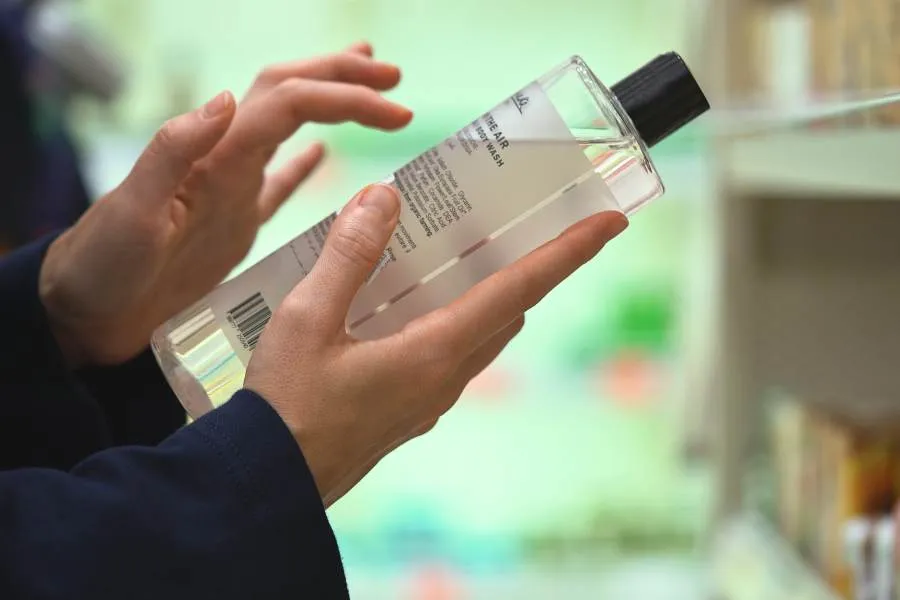 A lack of transparency causes difficulties in tracing cosmetic ingredients. The lack of transparency makes it difficult for governments to trace the toxic ingredients, unless analysis is carried out to identify a specific chemical substance.
However, carrying out such analysis in most countries in Latin America is often expensive, and authorities frequently lack access to proper technical tools, stresses Cárcamo.
She explains that inadequate regulation, poor testing of ingredients, and a failure to enforce existing laws mean that producers are not held responsible for the harm they cause.
“This allows harmful practices to continue, violating the human right to an effective remedy and perpetuating a cycle of harm.”
Consumers being ill-informed about what is in their cosmetics has repercussions on their personal rights and environmental justice. Without knowing what is in their products, beauty buyers could be causing physical or environmental harm.
Cárcamo says the freedom to make this choice is being violated by the widespread use of and exposure to toxic chemicals.
Common chemicals and risks
The toxic cosmetics circulating in Latin America can cause long-term health consequences such as hormonal, reproductive, and cardiovascular disorders, and cancer.
It also poses environmental damage to water and soil pollution, loss of biodiversity, microplastic accumulation, and a widespread impact on the ecosystem.
Cárcamo says addressing this issue requires immediate action, including strict government regulation, bans on harmful substances, and widespread awareness campaigns promoting responsible consumption.
 Cosmetic toxins also pose environmental damage to water and soil pollution, loss of biodiversity, and microplastic accumulation.She details that the most common endocrine disruptors in cosmetics are parabens, used as preservatives in many products, including moisturizers, makeup, and hair products. Additionally, phthalates, which are also endocrine disruptors, are often found in nail polish, hairspray, and perfumes.
“Other potential disruptors include certain UV filters, such as oxybenzone and homosalate, as well as synthetic antioxidants like butylated hydroxytoluene. These chemicals can be found in a wide range of products, including lotions, makeup, and hair products, and there are concerns about their potential impact on reproductive health and other functions,” says Cárcamo.
Heavy metals, including lead and mercury, can also be found in products such as lipstick, eyeliner, and nail color.
Cárcamo explains that regulations differ globally, especially between countries in the Northern and Southern regions.
“The group of Latin American and Caribbean Countries, African, and Asian countries are more exposed to toxic cosmetics, due to the double standard in the market.”
Personal Care Insights recently spoke with the Women’s Caucus for the Minamata Convention about mercury, which is often used as a skin-lightening agent due to its melanin-blocking properties. The caucus warned that apart from geographical disproportion, women are disproportionately harmed by its inclusion in cosmetics, being the larger group of users.
“The Minamata Convention bans the use of mercury in cosmetics, including skin-lightening products. Although the manufacture, import, and export of mercury-containing cosmetics is prohibited, the countries’ parties face challenges in addressing informal manufacturing and sales,” says Cárcamo.
Differences across regions
While decision-makers are responsible for providing consumers with accurate information and preventing their exposure to toxic chemicals, consumers are also responsible for what they buy and consume, says Cárcamo.
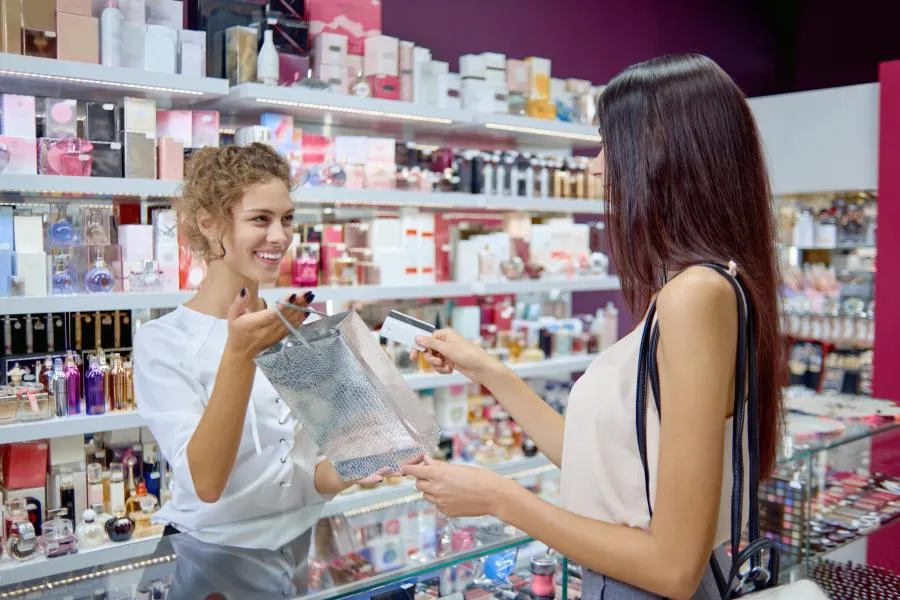 Cárcamo says consumers are also responsible for what they buy and consume.For consumers, she suggests checking the ingredient list and looking for products that are free of common endocrine disruptors, and avoiding products that list “fragrance” or “perfume” as an ingredient.
“When talking about toxic chemicals in cosmetics, one should not forget that most of the time these come in plastic packaging, which might not be BPA-free. Exposure to BPA can lead to several specific health issues and may interfere with the body’s hormone regulation, particularly affecting fetuses, babies, and children,” says Cárcamo.
“This may result in developmental problems and hormone imbalance. So, the exposure to toxic chemicals is not only in the cosmetics used but also through the migration of toxins from the container.”
She suggests using apps, online resources, and other tools that check ingredient safety and find safer alternatives.
“Prioritize transparency, look for brands that are transparent about their ingredients, and prioritize safety testing,” Cárcamo concludes.