



Unilever Q1 growth driven by “power brands” amid continued focus on HPC


Key takeaways
- Unilever’s Q1 saw strong volume growth, driven by brands like Dove and Vaseline, with a 3.8% underlying sales growth.
- The company is progressing with its merger of the Food business with McCormick, aiming to become a pure-play Home & Personal Care company.
- Emerging markets, particularly India and Latin America, demonstrated strong growth, while Home Care and Personal Care segments saw solid performance in Q1.
Unilever’s Q1 financial report has shown strong volume growth driven by what it calls its power brands in personal care. The report reaffirms Unilever’s plan to become a pure-play Home & Personal Care (HPC) company.
“We continue to move at speed to build a simpler, sharper Unilever with a structurally higher growth profile and a brand portfolio fit for the future. In March, we announced an agreement to combine Unilever’s Foods business with McCormick, unlocking value by shaping Unilever into a leading pure-play HPC company and creating a global flavor powerhouse in Foods,” says Fernando Fernandez, CEO at Unilever.
The consumer packaged goods company achieved an underlying sales growth (USG) of 3.8%, with a volume growth of 2.9% and price growth of 0.9%. Growth was seen across categories, with power brands leading the charge with 5% USG and 4% volume growth through brands like Dove and Vaseline. Home Care surged forward in Q1 with 6.1% USG due to acceleration in key emerging markets.
Unilever’s 2026 Q1, FY 2025, and Q4 2025 financial reports show that the company is consistently having premium personal care and beauty segments outperform. The new report indicates that the trend carried into the new year for Unilever. The company has also reconfirmed its full-year outlook.
Q1 at a glance
Emerging markets for Unilever showed good momentum with strong growth in India and a solid recovery in Latin America, attributed to “decisive actions” taken in the region.
Turnover for Q1 cashed in at €12.6 billion (US$14.71 billion), down by 3.3% as currencies and exchange rates offset positive USG, and net acquisitions and disposals. The quarterly dividend, however, is up by 3% in comparison to Q1 of 2025.
The company has also announced a €1.5 billion (US$1.75 billion) share buyback commencing today. The buyback is expected to be completed by July 6, 2026.
Fernandez expresses confidence in the company’s footing for the coming fiscal year despite the volatile macroeconomic environment.
“The progress we are making to elevate our brands through Desire at Scale and improve operational execution means we remain confident of delivering on our guidance for the year ahead,” he says.
Beauty & Wellbeing driven by power brands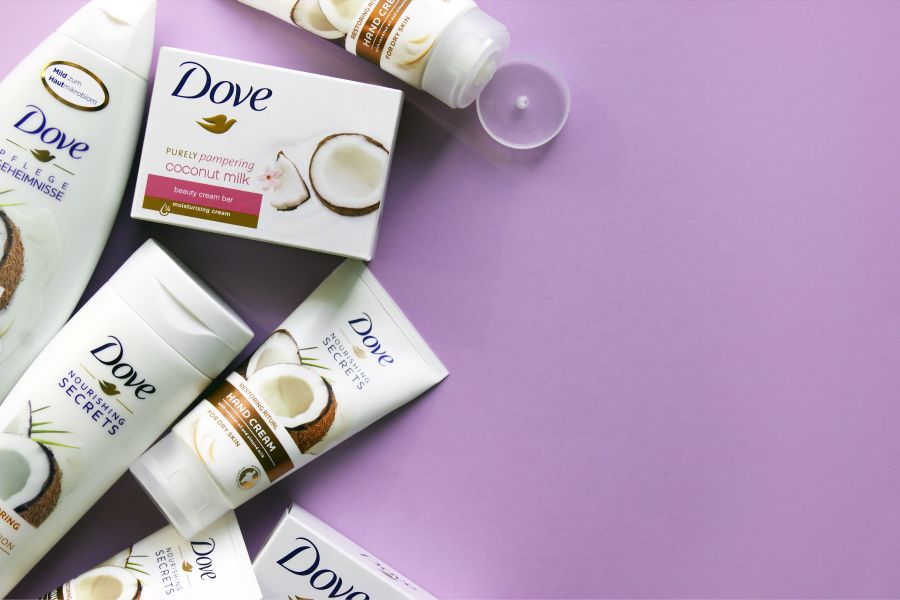
Dove and Vaseline delivered double-digit volume growth.
Volume (+1.9%) and price (+1.6%) balanced the +3.6% USG for Beauty & Wellbeing. Dove and Vaseline demonstrated continued strength, driving numbers with double-digit volume-led growth.
Vaseline is one of Unilever’s heritage brands that recently got a makeover under the company’s Desire at Scale framework. Last month, Vaseline was reengineered to make the legacy brand more desirable, sensorial, and culturally fluent. It released a lip product targeted at Gen Z and Gen Alpha by meeting their demand for skin care that bridges credibility and color.
“Heritage brands don’t stay relevant by standing still. They stay relevant by translating trust into innovations that move with culture,” Melissa Houston, global associate brand director of Vaseline at Unilever, told Personal Care Insights.
For Q1, low single-digit growth was reported in Skin Care. Vaseline’s performance was bolstered by premium innovations, such as the release of Gluta-Hya Lip Serum Gloss, which boosted the segment’s numbers. Subsidiaries Hourglass, Tatcha, and Dermalogica delivered strong outcomes in prestige growth.
Hair Care’s high-single-digit growth was powered by volume. Dove kept up strong momentum and delivered double-digit growth after the release of its Fiber Repair technology line in 2025.
Double-digit growth in India further bolstered performance. Meanwhile, Sunsilk and Clear returned to volume growth.
Prestige brands also maintained good momentum in Hair Care as subsidiary K18 supplied strong volume-led growth. This was partially offset by the delisting of unprofitable hair care brands in the US last year as the company hones its portfolio toward power brands.
Wellbeing declined by low single digits, affected by a strong comparator in the first quarter. Vitamins and supplements brand Olly grew by double digits, bolstered by strong digital growth and distribution gains. The company expects Wellbeing’s performance to improve as supplement Liquid IV usage is increased and Nutrafol’s customer conversions are optimized.
Overall, emerging markets maintained momentum in the Beauty & Wellbeing segment. The Asia Pacific region and Africa achieved mid‑single‑digit volume growth. Meanwhile, developed markets sustained a flat performance.
Deodorants drive Personal Care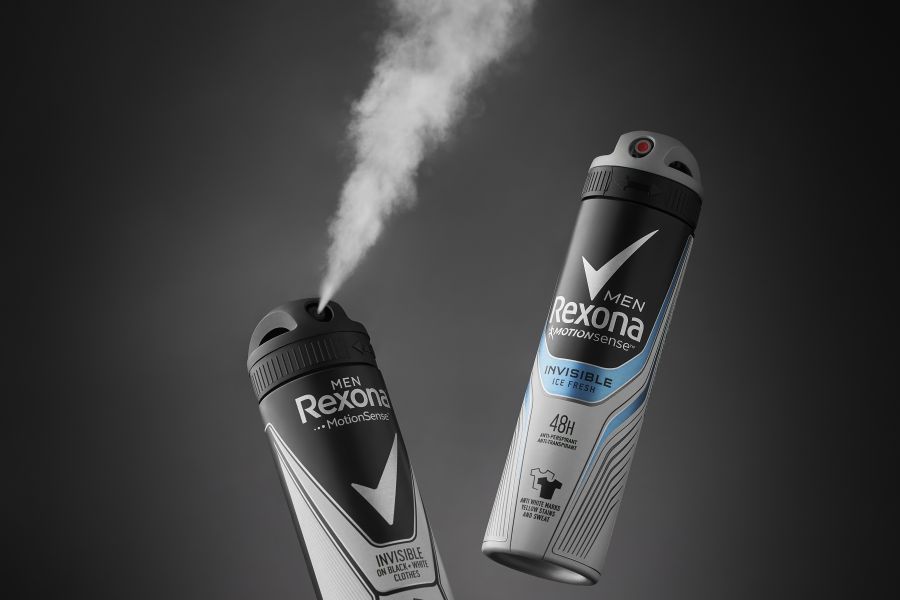 Personal care growth was driven by deodorants and skin cleansing.
Personal Care’s USG was reported at +3.7% with +1.1% from volume and +2.5% from price increase. Deodorants and Skin Cleansing drove the category’s growth with mid-single digit growth from both and strong growth in North America.
Performance in Deodorants was driven by double-digit growth in the hero brand Dove. The maintained scaling of Whole Body Deodorants and continuous improvement in Rexona and Axe further bolstered numbers. Latin America returned to growth in Deodorants as actions to improve format mix in Brazil increased momentum.
Skin Cleansing grew mid-single digit, with positive volume and price. North America and emerging markets drove growth in the segment, but were partially offset by a decline in Europe. Dove leads in this segment also with premium body serum ranges.
The company expects Q2 to deliver an uplift in Personal Care with its FIFA World Cup 2026-related campaigns and activations.
Home Care’s high-volume growth
Home Care delivered high USGs with +6.1%, primarily from volume (+6.2%) and down 0.1% from price.
Its two largest markets, India and Brazil, demonstrated strong performance. Stark volume growth was indicative of increasing momentum and competitiveness over key markets. Growth was partially offset by slower performance in Europe.
The company expects elevated commodity costs to support increased pricing for the balance of the year.