

US beauty consumers prioritize ingredient transparency over brand image

Key takeaways
- An OnSkin survey has found that US consumers increasingly prioritize product safety and scientific evidence over brand image.
- Ingredient concerns are driving shoppers to abandon their favorite products and seek safer alternatives.
- Transparency, clinical backing, and personalization are becoming key drivers of beauty brand trust.

US consumers increasingly prefer dermatologically and scientifically backed formulations over brand-based authority, according to an OnSkin survey.
The beauty and household product ingredient checking app provider has reported that 85% of consumers find that product safety is important when choosing cosmetics. This figure is in contrast to the 26% who say brand image strongly influences their purchase decisions.
Consumers are also becoming more wary of brands’ marketing, with 15% of respondents reporting they “fully trust” clean beauty claims. Instead, they opt for dermatologists’ advice (57%), scientific literature (42%), and other consumer reviews (46%) to inform their purchases.
Julia Kuprina, product director at OnSkin, tells Personal Care Insights that consumers are progressively looking at cosmetics through personal well-being instead of prioritizing their appearance and lifestyle implications.
The survey spans 1,700 US consumers and demonstrates how they are trusting efficacy, safety, and ethics claims above a product’s branding and social media influence.
“Although branding and emotional appeal still matter, they are insufficient on their own to establish credibility. For beauty brands, trust progressively depends on their ability to explain what their products do and why their formulations are appropriate,” says Kuprina.

Consumers are increasingly prioritizing cosmetic safety over brand image.
Branding takes the back seat
A brand’s reputation is no longer enough to sway where consumers are placing their beauty bets. OnSkin has noted a shift from trust based on brand perception to trust based on evidence. Kuprina tells us that consumers are becoming more proactive in understanding what goes into their cosmetic products and how formulations may affect their skin and health.
“Only 15% of respondents are confident that products marketed as ‘clean’ genuinely live up to that claim, reflecting a growing demand for greater clarity in the beauty industry,” she says.
“More consumers seek professional guidance and scrutinize ingredient lists to assess product safety and performance, placing less emphasis on persuasive marketing and enthusiastic influencer endorsements.”
Consumers’ growing preference for professional opinions when seeking beauty advice is aligned with their emphasis on safety as a top concern. As the dermacosmetic category continues to dominate the industry, clinical backing and transparency are no longer simply nice-to-haves or optional add-ons, according to Kuprina.
“Brands are expected to provide reliable evidence to back up their marketing claims and ingredient choices.”

Ingredient transparency is becoming more important in beauty purchasing decisions.
Safety over loyalty
The survey also reveals that health risks would prompt consumers to move away from using their “favorite” products, indicating that increased ingredient literacy is trumping brand loyalty.
If a formulation featured a “risky” ingredient, of the respondents, 50% said they would discontinue use and look for a safer alternative. Another 17% said they would stop using the product immediately, regardless of how much they liked it, and 14% said they would reduce usage.
Furthermore, 67% of respondents stated they would stop using a favorite product if they learned it contained a potentially harmful ingredient that may be detrimental to their health with continued use.
“We found that 46% of respondents had stopped buying certain brands or products because of their ingredients,” says Kuprina.
The numbers highlight how ingredient concerns and long-term safety considerations are translating into concrete purchasing decisions.
Safety in day-to-day
Consumers’ safety concerns and willingness to change the products in their routines are further exacerbated by how often they use the products. Of the product categories surveyed across skin care, hair care, body care, makeup, and fragrance, 85% were reported to be used daily by at least one-third of respondents.
Scientific evidence is playing a greater role in building consumer trust.
The main categories used daily by respondents were shampoo (95%), face cleanser (89%), and deodorant (87%), with moisturizer (86%) and hair conditioner (85%) trailing closely behind.
“The level of daily product exposure reported by many respondents can amount to hundreds of chemicals used repeatedly over the years. This intensity may contribute to growing consumer concerns about cumulative effects, driving broader demand for ingredient transparency and risk reduction,” says the report.
Adverse reactions to cosmetics also ranked as “extremely common.” Only a quarter (28%) of respondents said they had never experienced a negative reaction from a cosmetic product.
Of the reported issues related to cosmetic product use, breakouts (38%), redness (37%), and irritation or rashes (36%) were the most common. Consumers also reported burning or stinging sensations (31%), hair or scalp issues (25%), eye irritation (22%), and allergic reactions (20%). A minority of 4% also reported respiratory symptoms.
The data indicate that consumers’ cosmetic safety concerns come from their lived experience. “Consumers are not becoming safety-focused in a vacuum. Many are responding to direct personal experiences with adverse effects caused by products they have used,” says OnSkin.
Meanwhile, the data indicate that consumers are willing to spend more money on safer formulations, with 78% expressing at least some willingness to pay extra. Additionally, 20% said they would pay significantly more, and 32% said they would pay somewhat more.
However, price remains important to a significant share of consumers. Almost half (47%) cite affordability as one of the primary purchase criteria, and (38%) emphasize value for money.
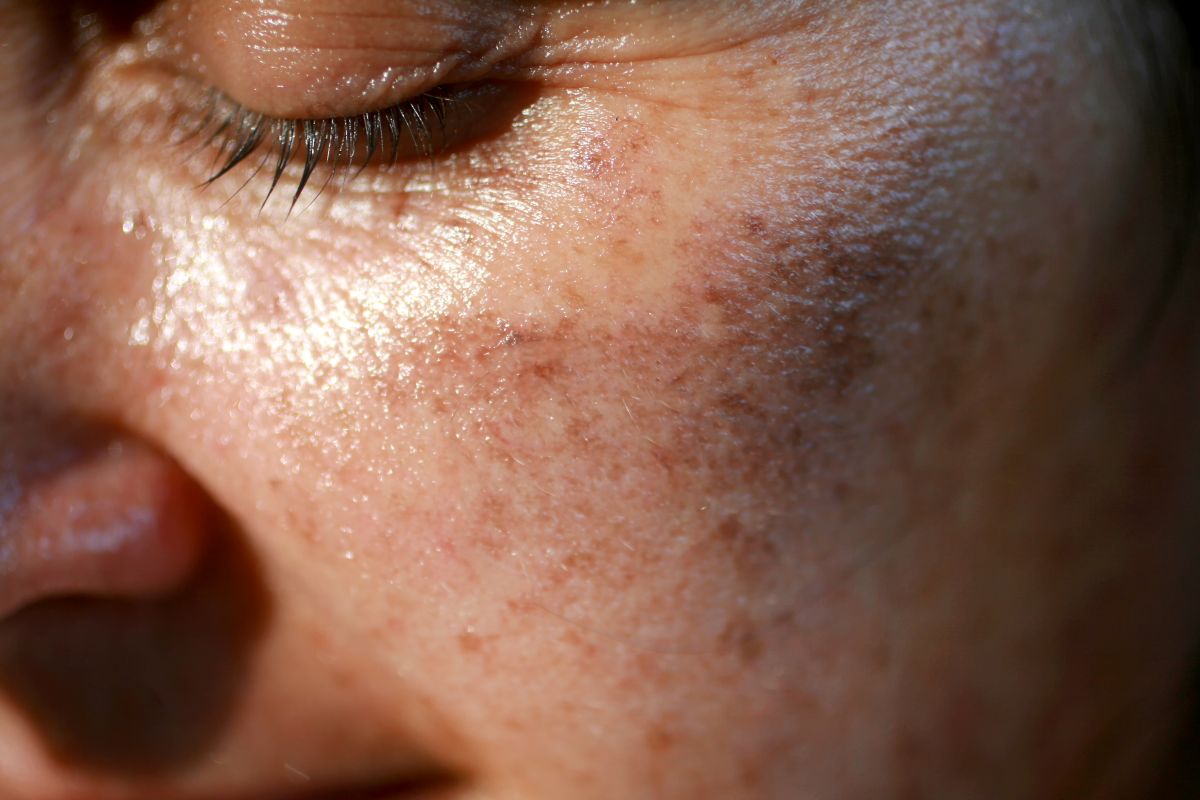
US consumers are scrutinizing beauty product ingredients more closely.
Transparency’s personalization pertinence
While safety emerged as US consumers’ top priority in the survey, individual applicability was also important to choice-making.
“People want products that meet their specific skin or hair needs and that they feel confident in using regularly. These findings help explain why ingredient transparency and scientific substantiation are becoming more influential than brand prestige or influencer recommendations,” says Kuprina.
She tells us that transparency and substantiation should be built into product development and marketing for brands to remain reputable in an increasingly distrustful consumer landscape.
“Brands that demonstrate accountability in product development and communicate clearly can differentiate themselves in a competitive personal care market and build lasting consumer trust,” she explains.
“Those that struggle to meet consumer expectations may face growing skepticism and a higher risk of losing customers.”